ChatGPT Image 2 vs Nano Banana Pro
These are the two flagship instruction-based editors from OpenAI and Google respectively. Both excellent, both premium-priced, and both wired into very different prompt-following philosophies. GPT Image 2 follows instructions to the letter, even when the literal interpretation looks awkward; Nano Banana Pro takes more creative liberty but produces visually more polished output. Pick GPT Image 2 when the prompt is the source of truth. Pick Nano Banana Pro when 'looks good' wins.
If you're choosing between these two, you're already past the 'is AI editing good enough?' question. Both models produce output that fools casual viewers most of the time. The interesting question is which philosophy fits your workflow.
GPT Image 2 inherits OpenAI's obsession with prompt fidelity. It will execute your instruction as literally as it can, sometimes at the expense of aesthetic polish. Nano Banana Pro inherits Google's preference for visually coherent output, sometimes at the expense of strict adherence. Neither is wrong; they're two valid design choices.
The other thing to know going in: GPT Image 2 is generally a touch slower per edit but more consistent across runs. Nano Banana Pro is faster and more variable — you might love the first result or want to re-roll it.
Verdict at a glance
| Dimension | Notes |
|---|---|
| Cost per edit ChatGPT Image 2 | GPT Image 2 is 3 credits, Nano Banana Pro is 4 — small but real difference. |
| Prompt adherence (literal) ChatGPT Image 2 | If you write 'add exactly one wine glass to the left of the plate', GPT Image 2 is more likely to obey. |
| Aesthetic polish Nano Banana Pro | Nano Banana Pro's outputs feel more "finished" out of the box even when the prompt is loose. |
| Speed Nano Banana Pro | Nano Banana Pro is faster per edit, often by 2–4s. |
| Multi-image compositing Nano Banana Pro | Both accept multiple references, but Nano Banana Pro fuses them more coherently. |
| Consistency across re-runs ChatGPT Image 2 | GPT Image 2 produces more similar output if you run the same prompt three times. Nano Banana Pro varies more. |
| Text inside images ChatGPT Image 2 | Both decent; GPT Image 2 edges ahead on logos and short text strings. |
Side by side, same prompt
Identical source image, identical edit instruction. Only the model differs.
Portrait background swap
replace the background with a vibrant sunset beach with palm trees and golden hour lighting 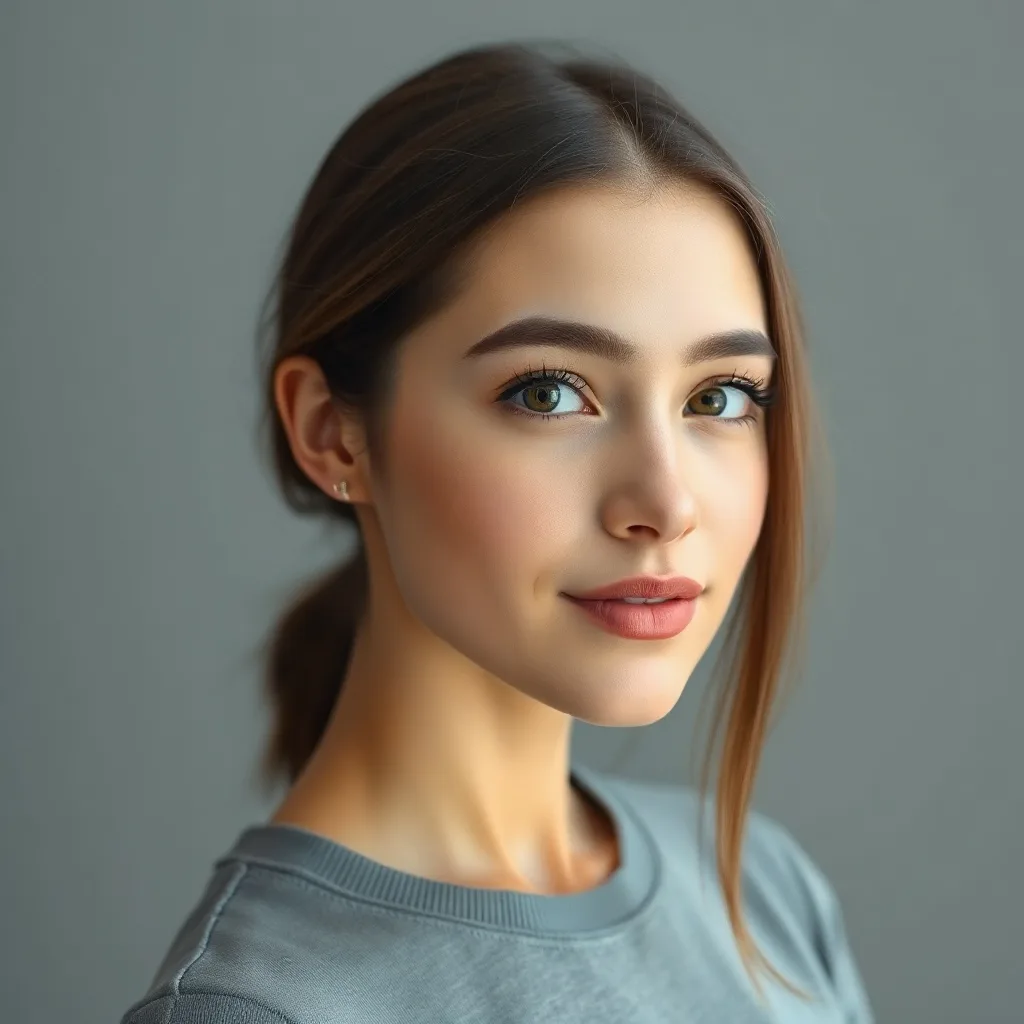
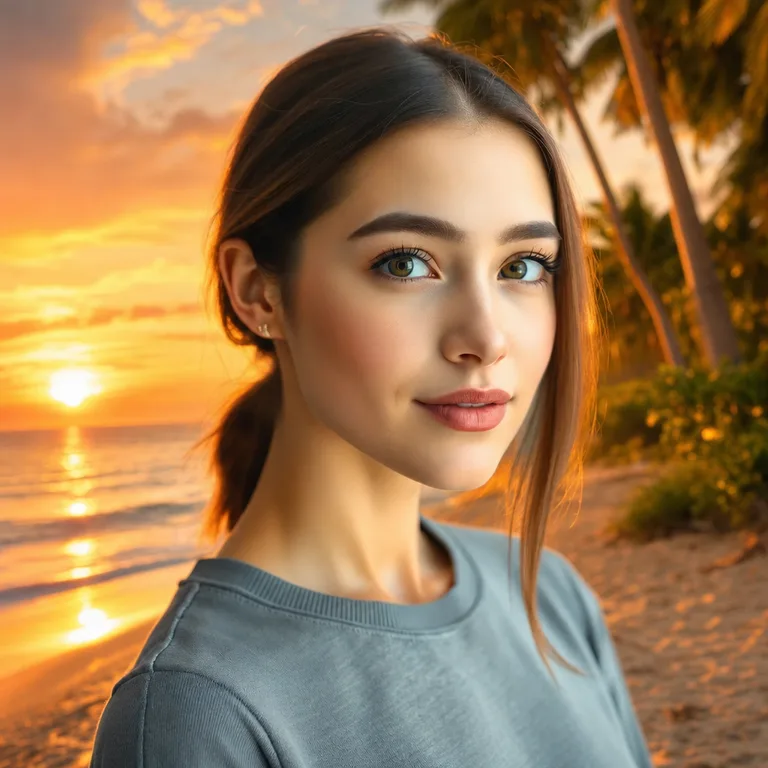
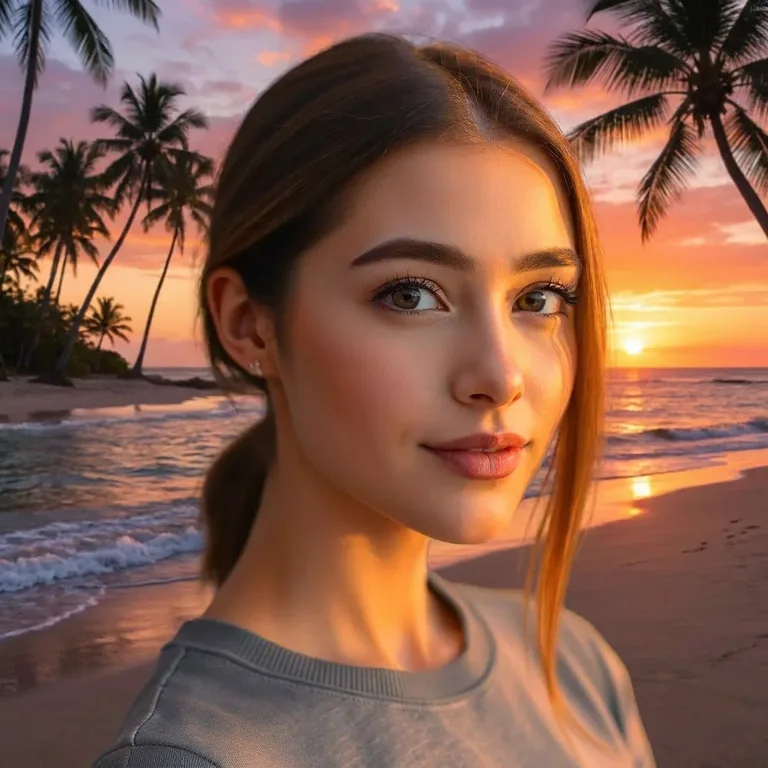
What to notice: Both should handle this cleanly. The subtle differences to look for: how the golden hour lighting affects the face, and how 'beachy' the result feels — Nano Banana Pro tends to lean fully into the aesthetic, GPT Image 2 stays slightly closer to the original portrait's mood.
Interior: add a fireplace
add a tall floor-to-ceiling stone fireplace with a roaring warm fire to the wall behind the sofa 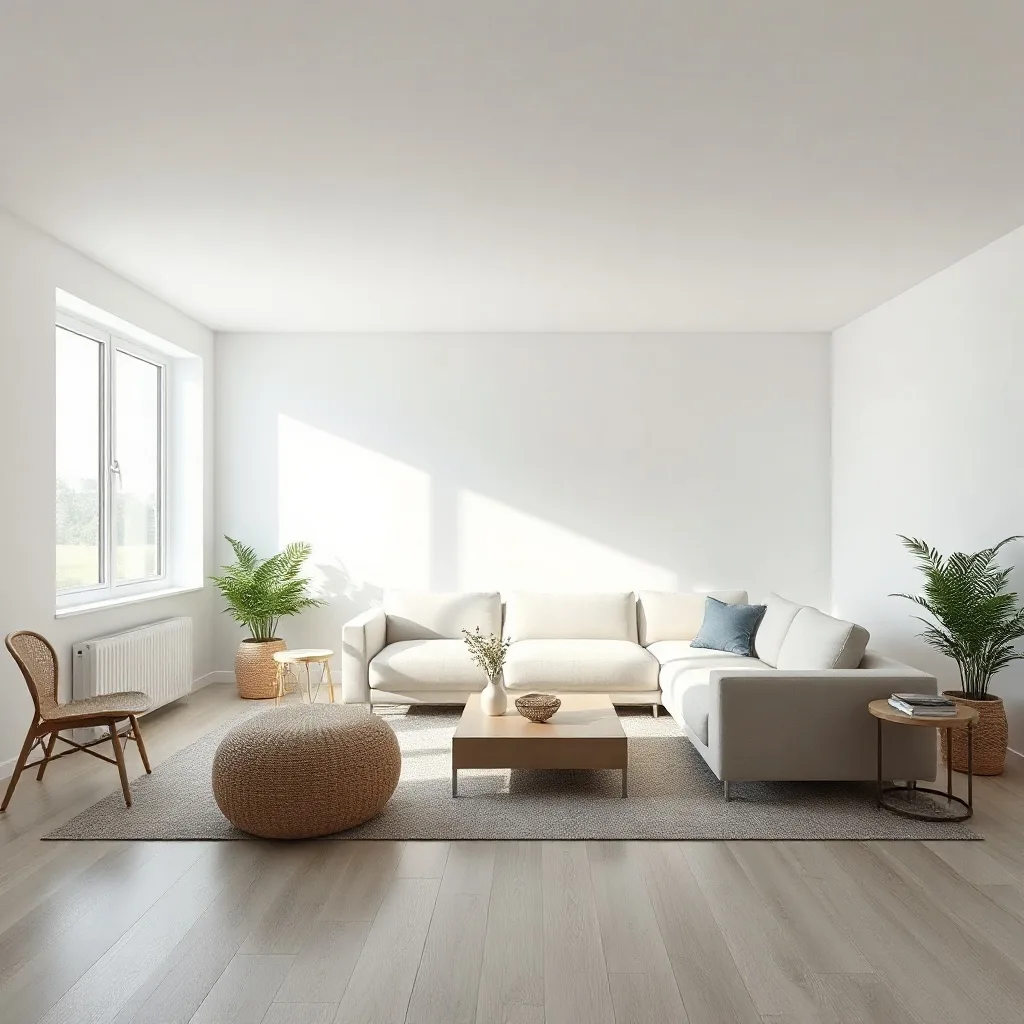
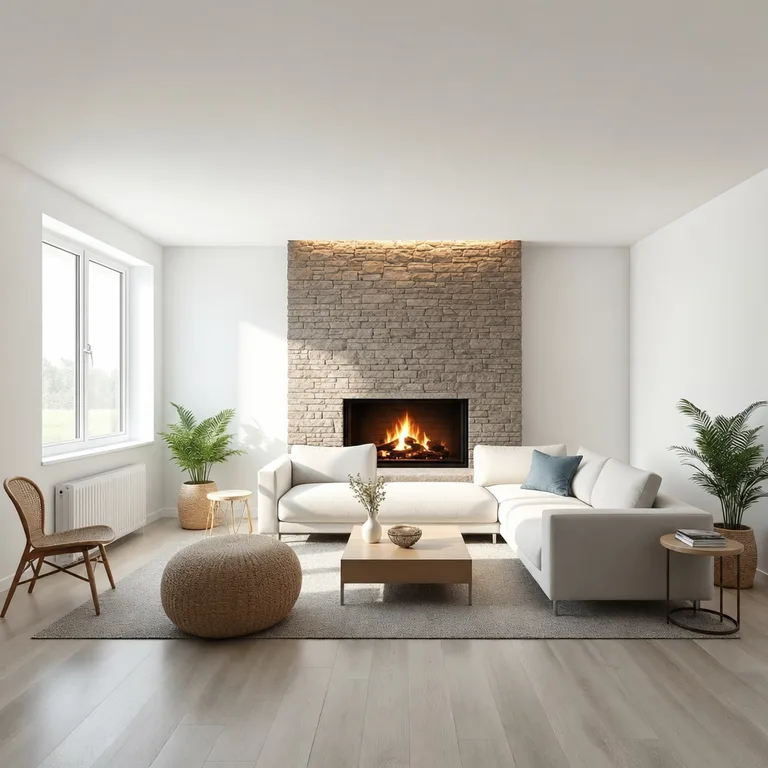
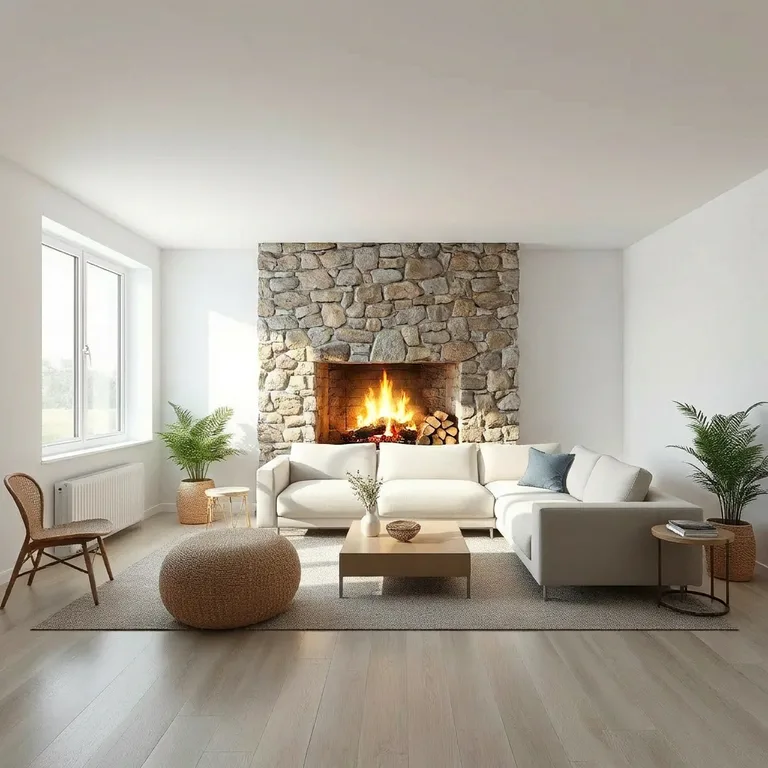
What to notice: Note the fireplace style. GPT Image 2 will give you a plain stone fireplace because that's what you asked for. Nano Banana Pro may stylize it into something more designed. Neither is wrong — pick the one that matches your intent.
When to pick which
Pick ChatGPT Image 2 if
- → Your prompts are precise and you need them executed literally.
- → You're producing variants where consistency across runs matters more than peak aesthetic on each one.
- → Text or logos in the image need to stay clean.
- → You're already on OpenAI's stack and want to keep things consolidated.
Pick Nano Banana Pro if
- → You want the most polished single-output result and you're fine re-rolling if it's not quite right.
- → You're compositing multiple reference images into one scene.
- → Speed matters in your workflow.
- → Your prompts are looser and you trust the model to make tasteful interpretation choices.
Bottom line
These two are closer than the discourse suggests. For most real edits, both will give you something usable on the first try. The deciding factor isn't quality — it's whether your prompt is a brief or an instruction. If you wrote it like a brief, Nano Banana Pro will read it that way. If you wrote it like an instruction, GPT Image 2 will execute it that way. Both are valid; just match the model to the way you actually write prompts.
Frequently asked
Which one is more popular?
Nano Banana Pro has more buzz in the AI art community right now; GPT Image 2 has more usage from product teams building on top of an API. Different audiences for similar capabilities.
Are these both available via the OpenAI / Google APIs?
Yes, but accessing them directly requires separate vendor accounts and per-call billing. renza wraps both behind a single credit balance so you can switch models without changing accounts.
Which one is better for product photography?
Nano Banana Pro tends to win on lifestyle product shots where atmosphere matters. GPT Image 2 wins on technical product shots (specs, exploded views) where literal accuracy matters more than mood.
Can I use both in the same project?
Yes — the renza editor lets you swap models per-edit. Many users start with GPT Image 2 for structural edits and finish with Nano Banana Pro for the final polish pass.
More head-to-heads
Nano Banana vs Flux Kontext Pro
Both edit images from a prompt, both cost 2 credits per run, and both have loud fan bases.
Flux Kontext Pro vs Flux Kontext Max
Kontext Pro costs 2 credits per edit.
Nano Banana vs Nano Banana Pro
Nano Banana is 2 credits.
Flux Kontext Pro vs ChatGPT Image 1.5
Both 2 credits per edit.