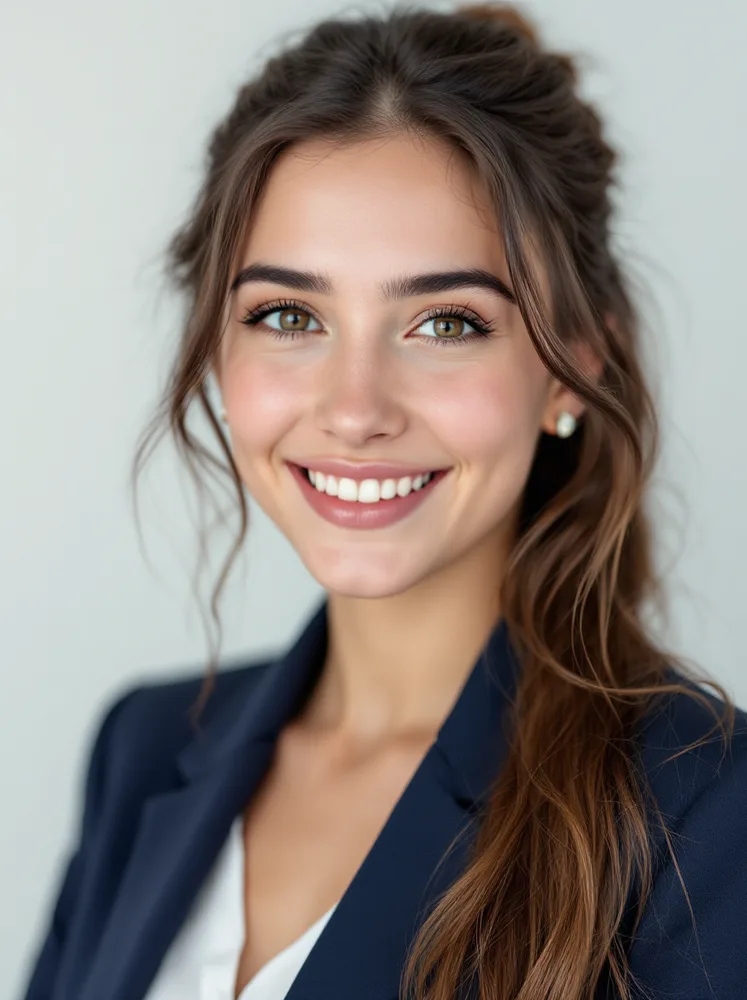

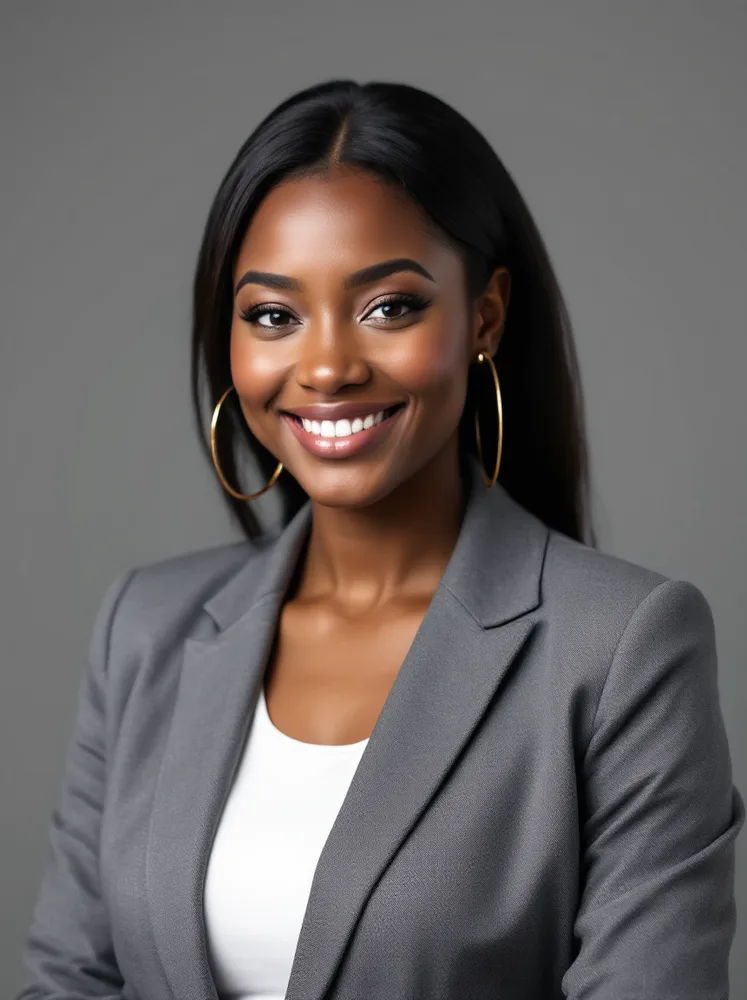

The interview photo is a promise. Make one you can keep
Every application photo makes a claim: this is who will walk in. Recruiters check it against your LinkedIn before the phone screen and against your face at the interview. Generate one that is polished and current, so the claim holds at both checks.
By signing up you agree to our terms and privacy. Your photos stay private.
Where the photo actually gets checked
The application photo is examined at three moments. First the skim, seconds per candidate, where it just has to read as prepared. Then the cross-check, when a shortlisted candidate gets their LinkedIn opened next to their application; mismatched or visibly different-era photos raise a small flag at the worst time. Last, the interview itself, where the person at the door gets compared to the picture.
That third check is why the strategy is honesty at your best, not maximum glamour. A photo that oversells creates a gap the interviewer notices in the first second of meeting you, and that flicker of adjustment is a bad opening. Train on recent selfies and pick the frame that looks like you on a good normal day.
The register question is simpler here than for a CV: match the company you are applying to, one notch up. The examples below run from suit-for-the-graduate-scheme to smart-casual-for-the-startup, including the career-changer and senior-candidate registers that stock advice ignores.


How do I get a great interview photo?
Close the LinkedIn gap first
Recruiters open your profile within minutes of shortlisting you. Application photo and profile photo should be the same image or visibly the same person in the same year. Fix this before submitting anything.
Dress one notch above the office
Look up how the company’s own team page dresses and add one level. Suit for banks, blazer for corporates, clean smart-casual for startups. Matching their register signals you did the looking-up.
Entry level can look eager, senior cannot
A bright, keen expression works at intern and graduate level, where enthusiasm is the offer. From mid-career on, composed warmth wins: the offer is judgment, and the face should match.
Neutral background, always
Application portals render photos tiny and sometimes crop them square. A plain or lightly blurred background is the only kind that survives every portal’s treatment.
Retire it after the season
An application photo ages fast, because the you it promises keeps changing. Regenerate each search season rather than reusing the photo that got the last job.
What does a great interview photo look like?
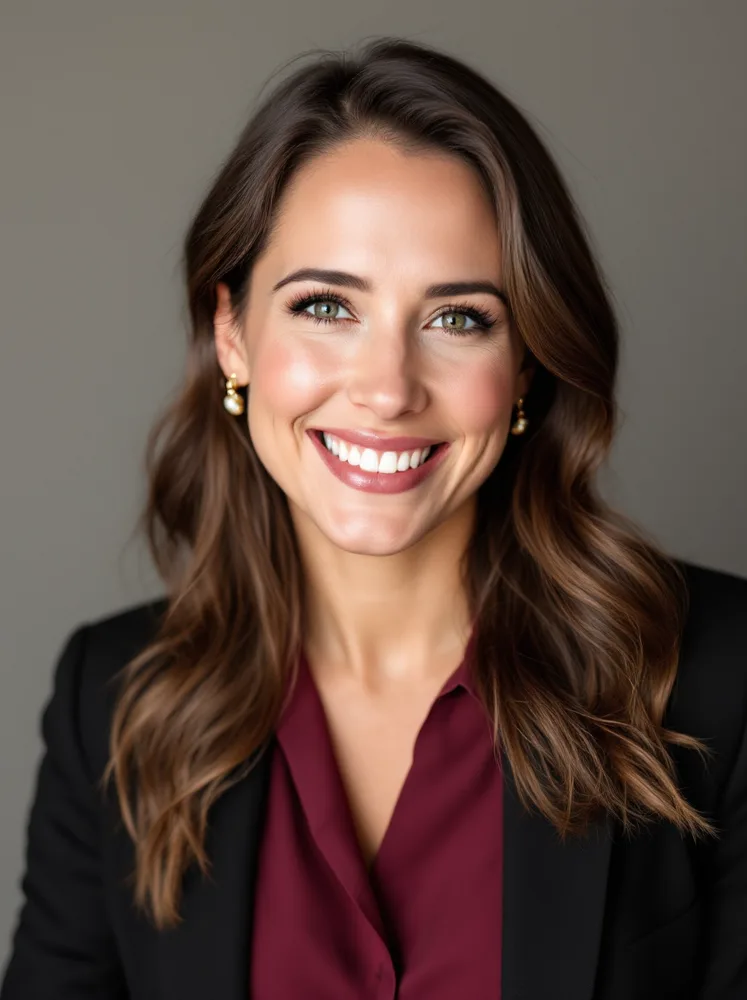
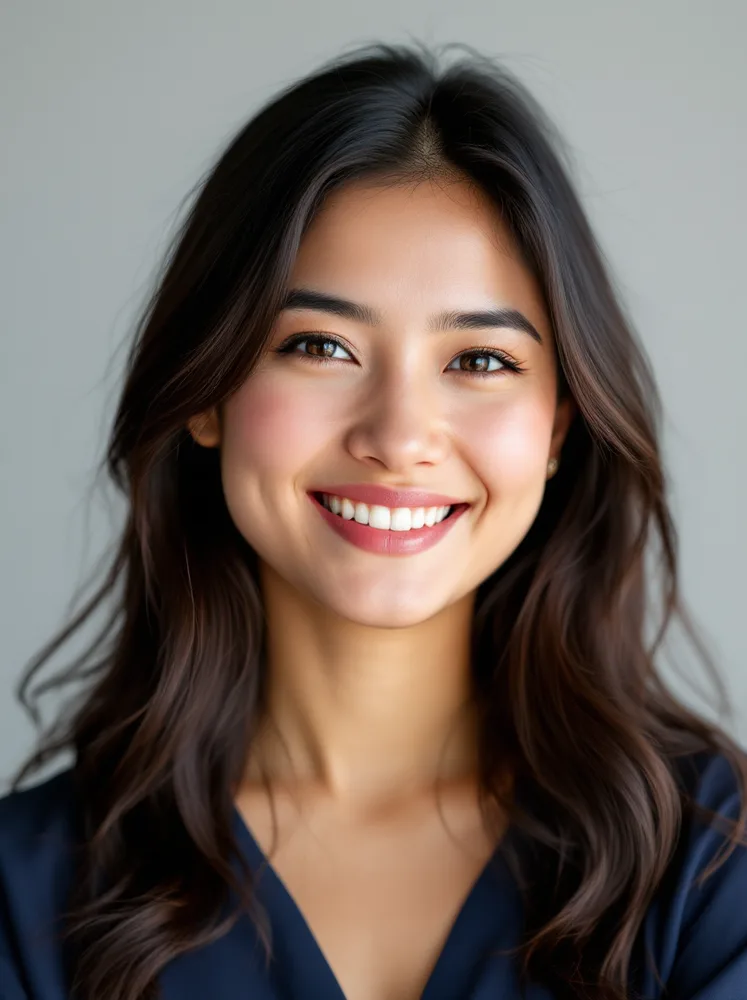
Every example below was generated with renza. One trained model produced all of them; each caption says which part of the job that setting is for.




How it works
Upload 5 to 15 selfies. We train a personal AI on your face in about 5 minutes. One click runs the professional pack.


Pick your plan
Monthly subscription. Train a personal AI model and run the professional pack as often as you like. Cancel any time.
Basic
- · 1 personal AI model
- · 200 generations per month
- · All image + video models
- · Commercial use included
Popular
- · 3 personal AI models
- · 1,000 generations per month
- · Priority queue
- · Photo packs (30 imgs at once)
- · Commercial use included
Pro
- · 6 personal AI models
- · 5,000 generations per month
- · Highest priority queue
- · Photo packs + bulk export
- · Early access to new models
- · Commercial use included
Frequently asked questions
Do I need a photo for a job application?
Only where the market expects one: continental Europe, Latin America, much of Asia, and any portal with a photo field. In the US and UK, skip the photo on the resume itself; your LinkedIn photo does this job instead, so make it good.
What should an interview photo look like?
Head and shoulders, plain background, clothing one notch above the company’s daily register, and an expression matched to your level: warm and keen early career, composed warmth from mid-career up.
Why does matching my LinkedIn photo matter?
Because the recruiter sees both within minutes, and a mismatch, different eras, different registers, reads as either an outdated photo or a managed image. Same photo in both places removes the question.
Can the photo be too good?
Yes, in one specific way: if the interviewer’s first reaction on meeting you is recalibration, the photo oversold. The fix is training on recent unfiltered selfies and choosing accurate-at-your-best over maximally flattering.
Different photos for different applications?
Different registers, yes: the suit version for the bank, the smart-casual for the startup, generated from the same model. The face stays identical, which is what keeps the LinkedIn cross-check clean.
What does it cost?
From 9.99 dollars per month, model included. For the length of one job search it is a single subscription month, cheaper than the shirt you would buy for the shoot.