Pop art pet portrait
Bold, bright and fun. Generate a pop art portrait of your pet from a few photos, a colorful statement piece for any wall.
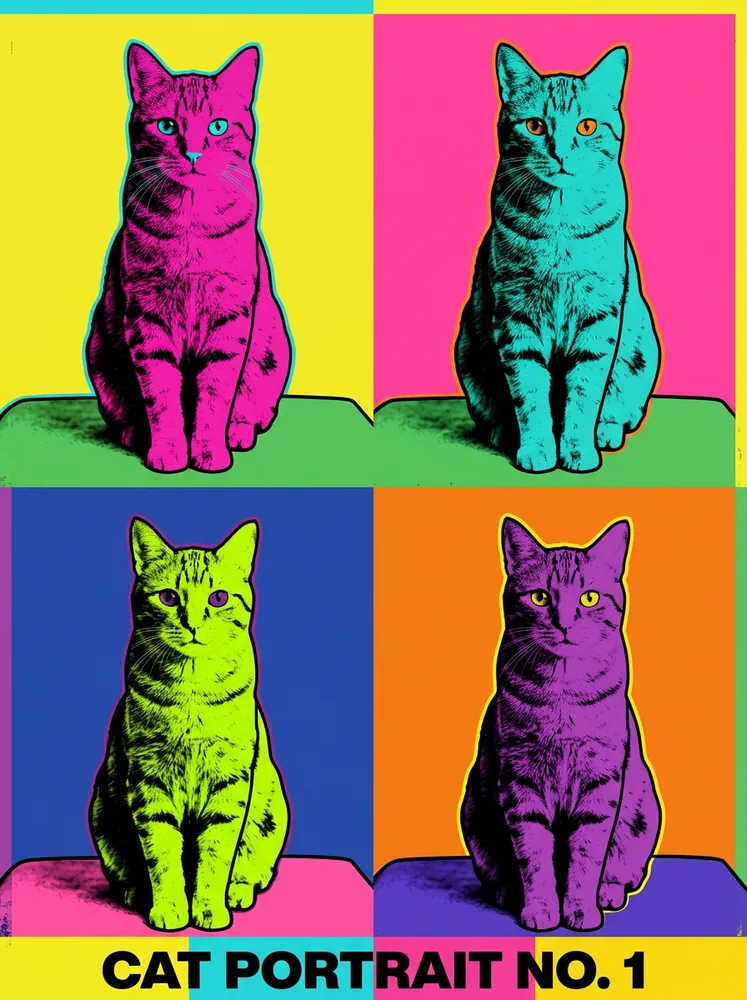
The lineage here is Warhol's silkscreens, and the mechanics of that technique explain what the style will and will not do to your pet. Silkscreening flattens an image into a few blocks of flat, unmixed colour with hard borders between them. There is no gradient and no shading. Everything depends on where the edges fall.
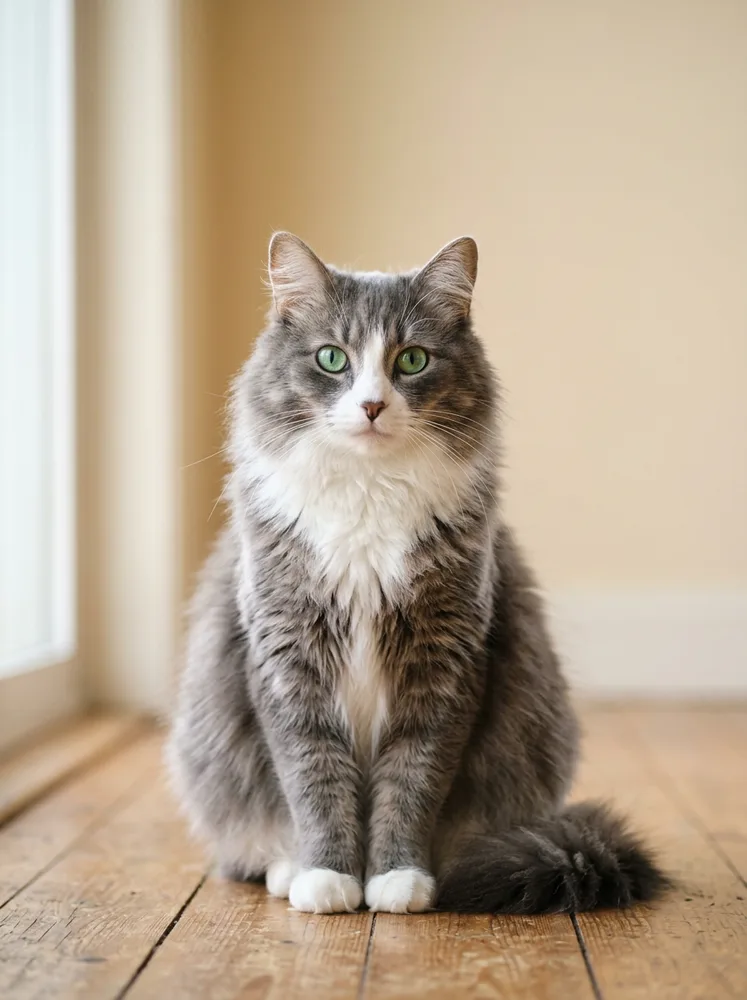
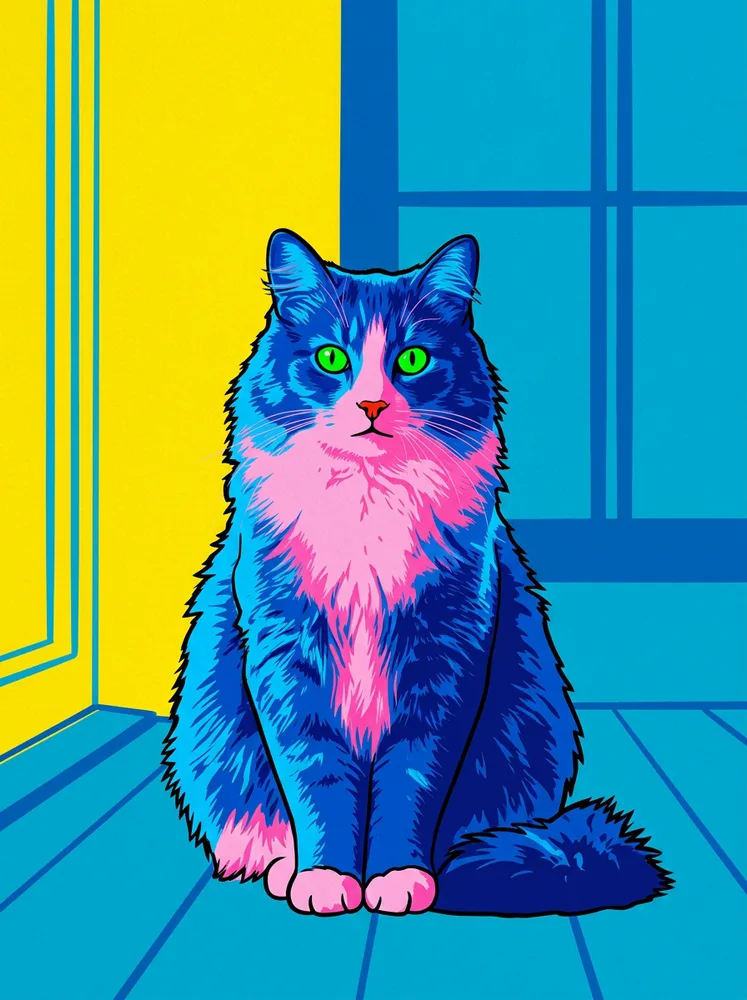
That makes it the most selective of the four main styles. High-contrast animals thrive: a tuxedo cat, a black-and-white collie, a dog with a strong blaze down the face. The pattern survives being reduced to blocks because it was already made of blocks. A uniformly beige animal loses almost everything, because once the shading goes there is nothing left to describe the shape.
Colour is a decision, not a reproduction. The style deliberately swaps real coat colour for arbitrary saturated ones (a pink dog, an acid-green cat), so if you want your pet's actual colouring preserved, this is the wrong style and oil is the right one. The point of pop art is that it does not care what colour your cat is.
It is also the only one of these that genuinely wants a bright, flatly lit photo. Where the painted styles ask for directional light and shadow, pop art wants none of it: a plain background, even light, and a clear silhouette give the flat colour blocks somewhere clean to sit.
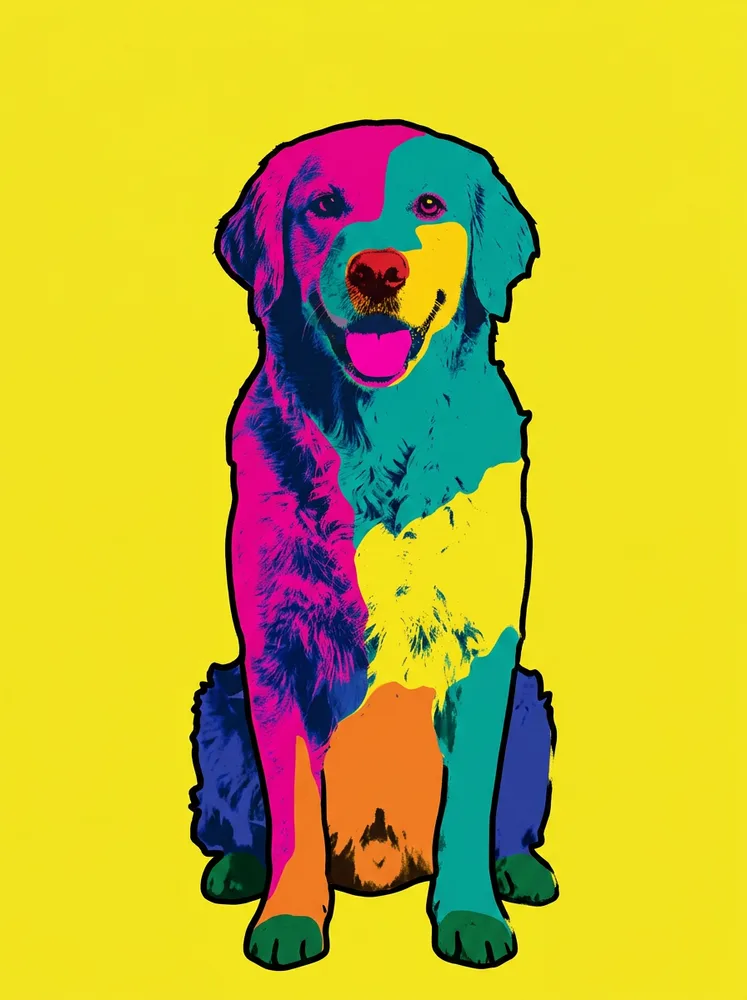
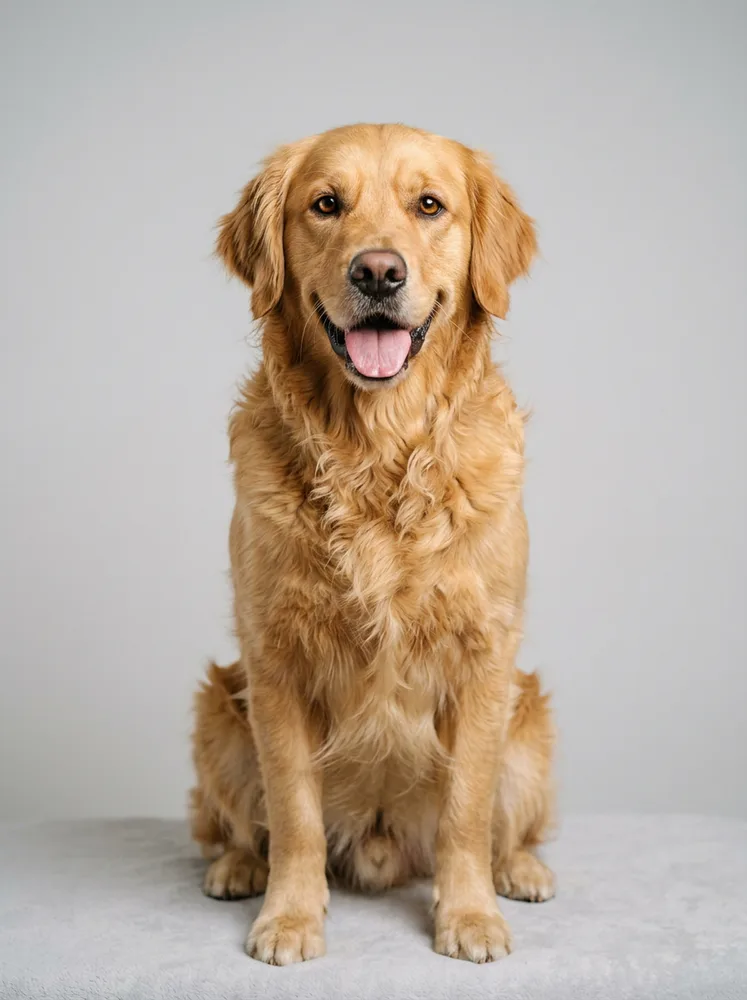
The photo they sent, and what came back
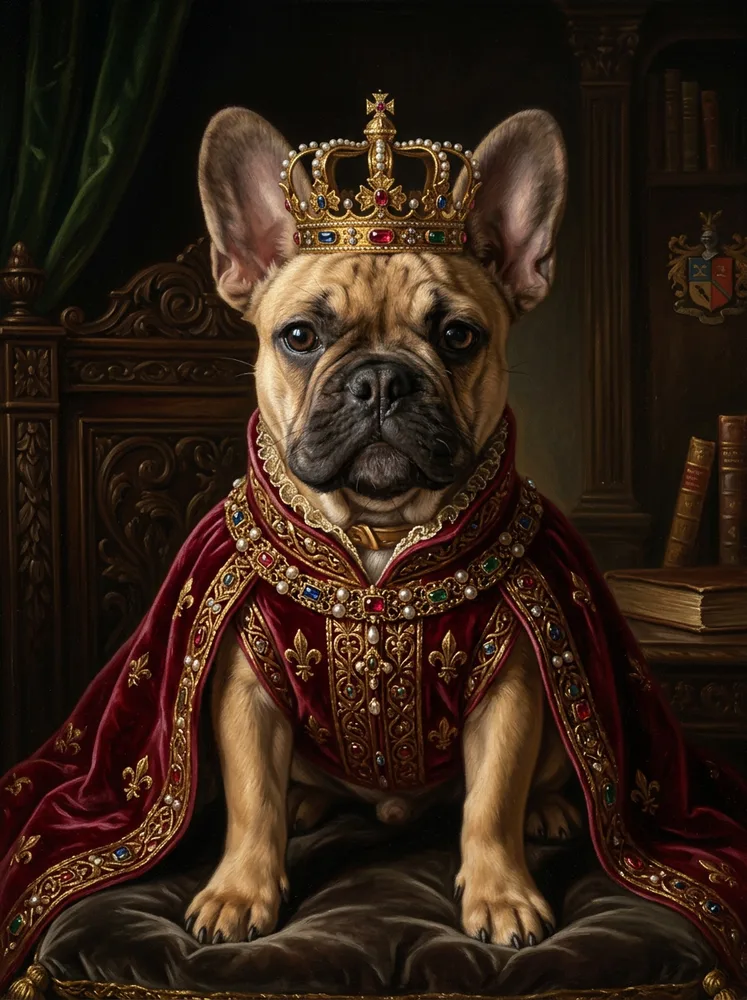
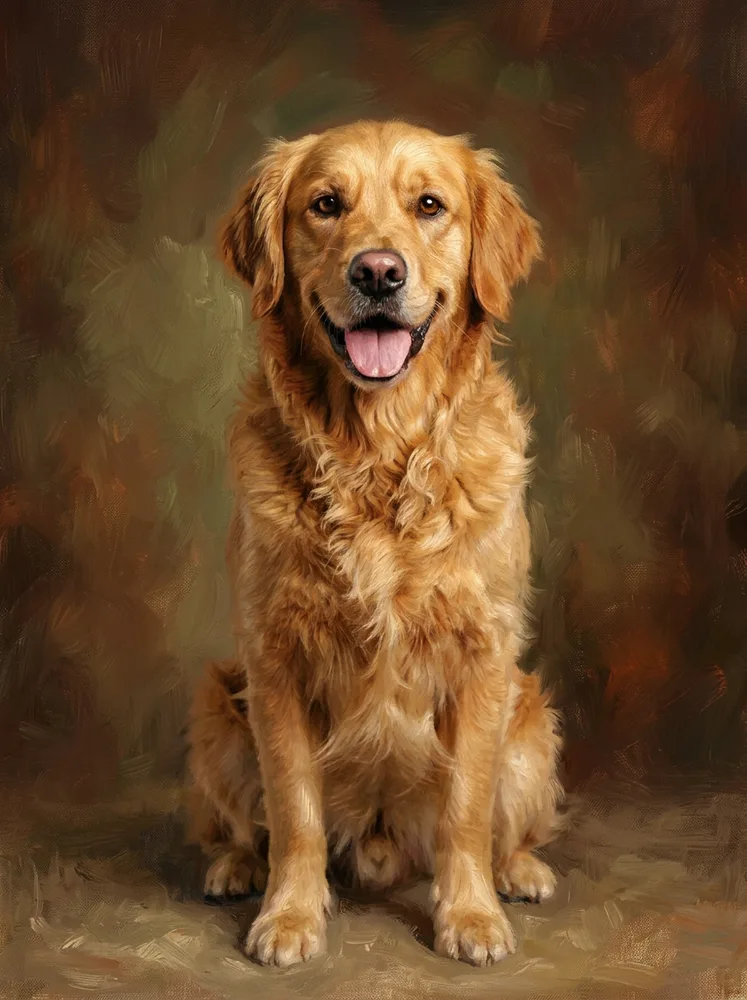
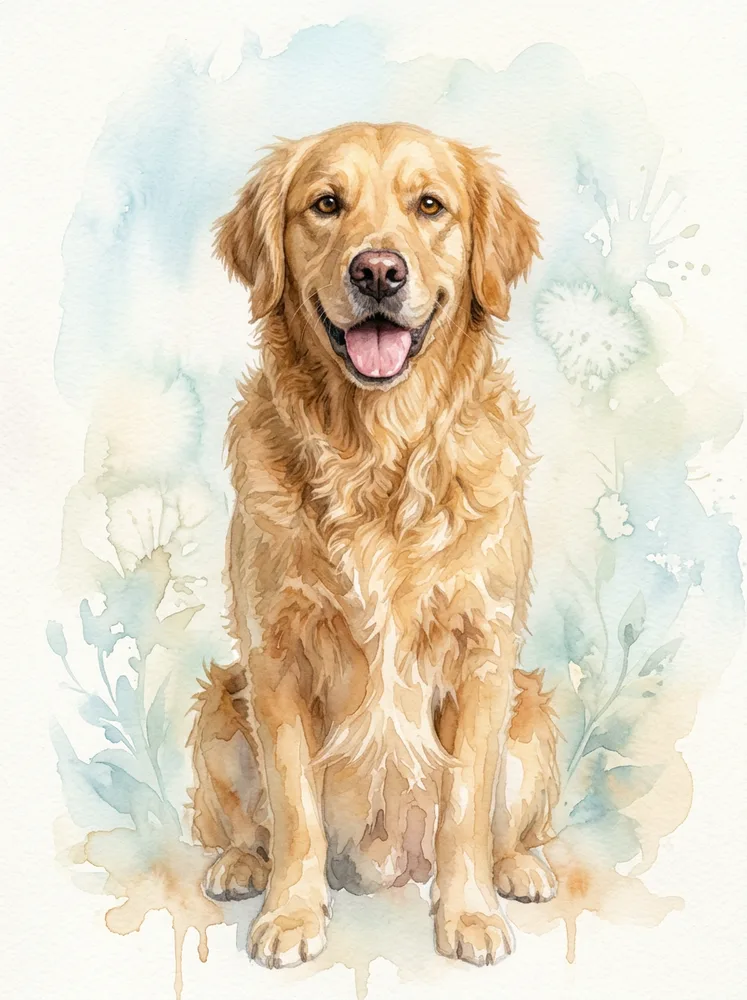
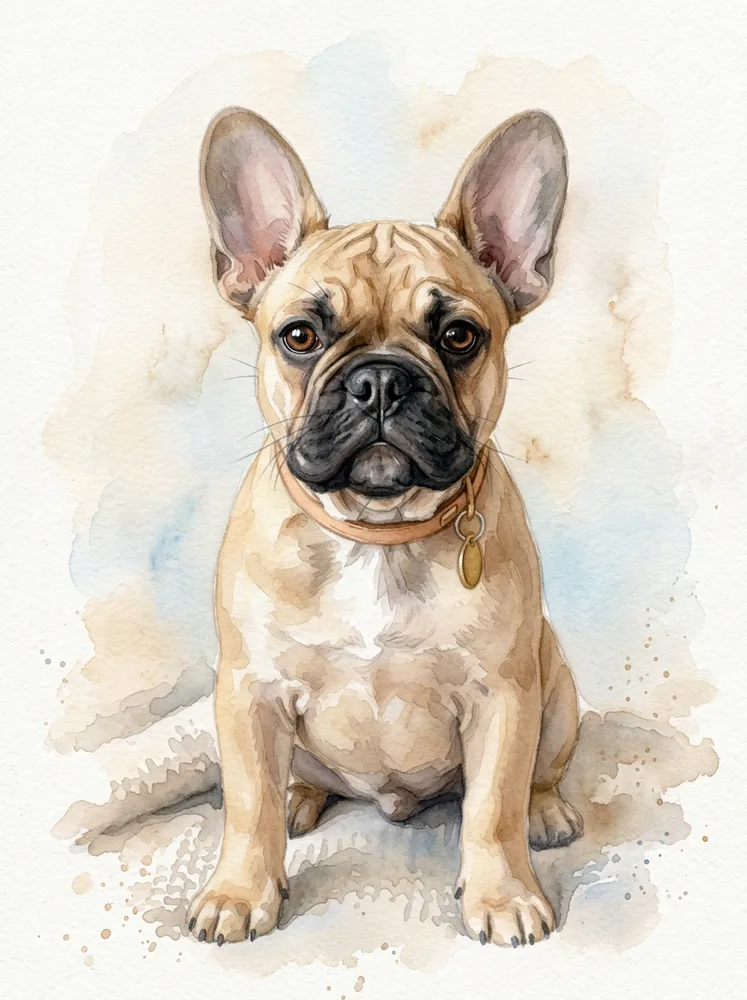
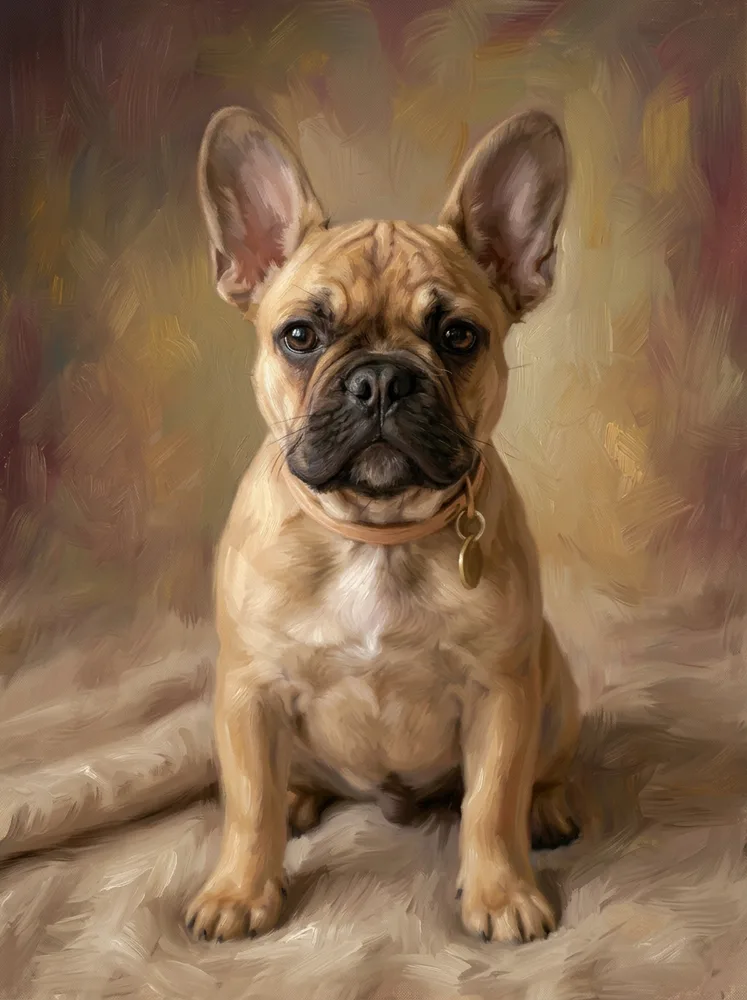
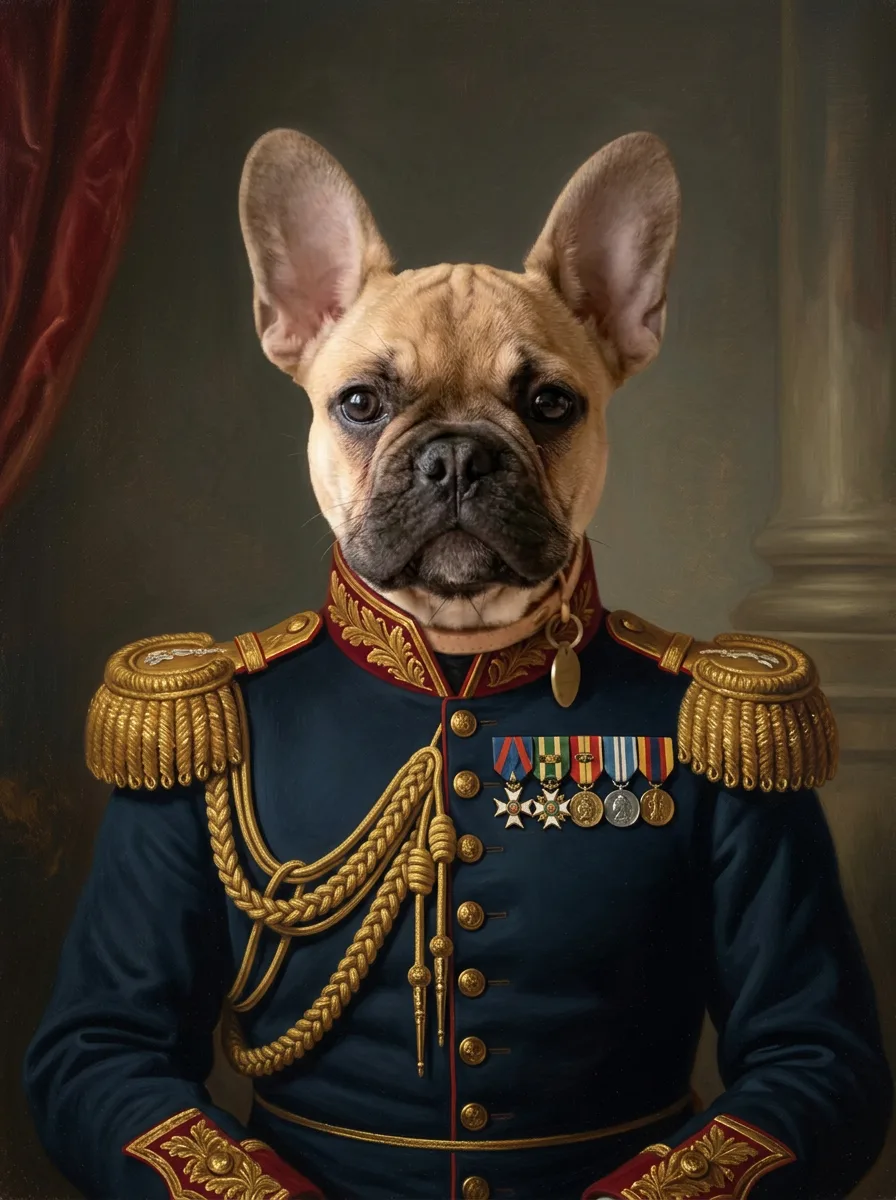
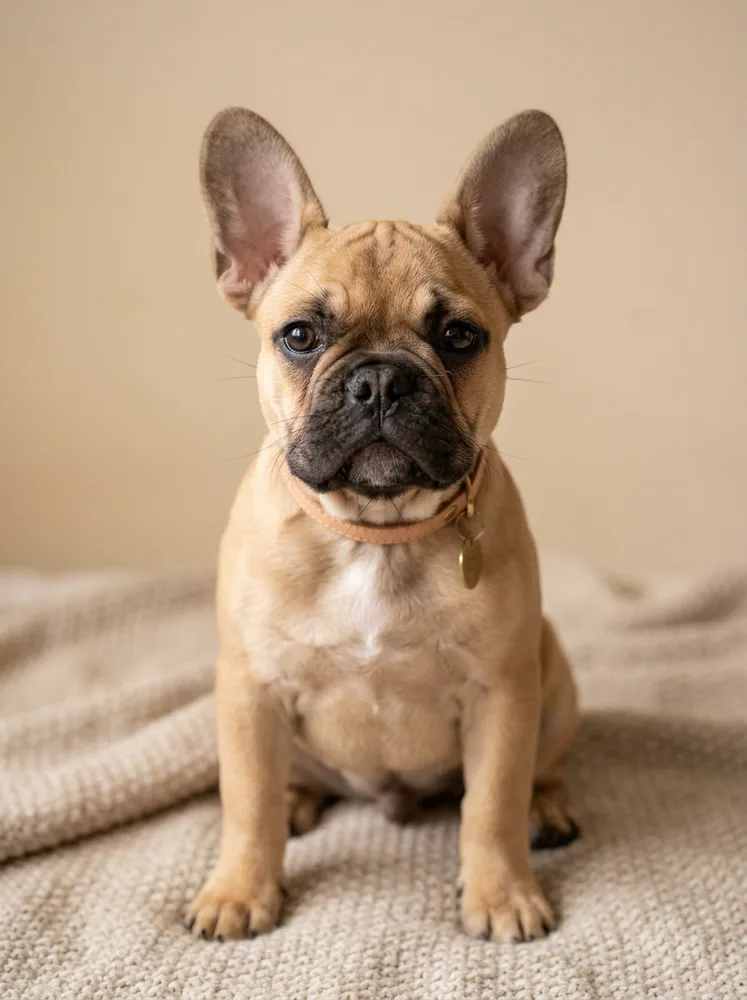
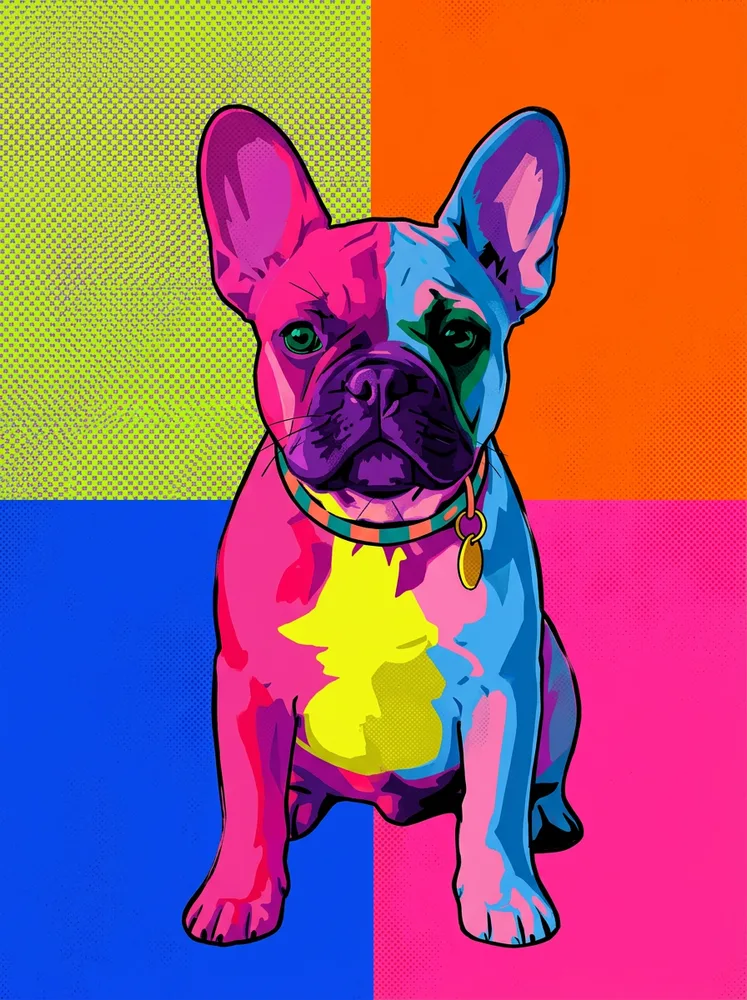
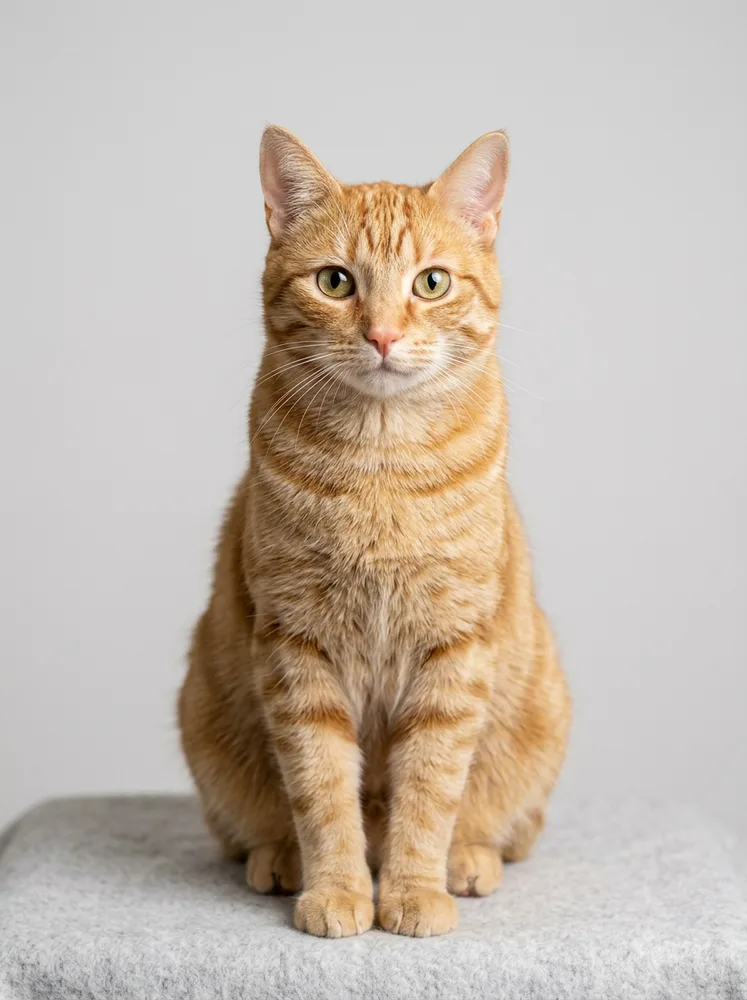
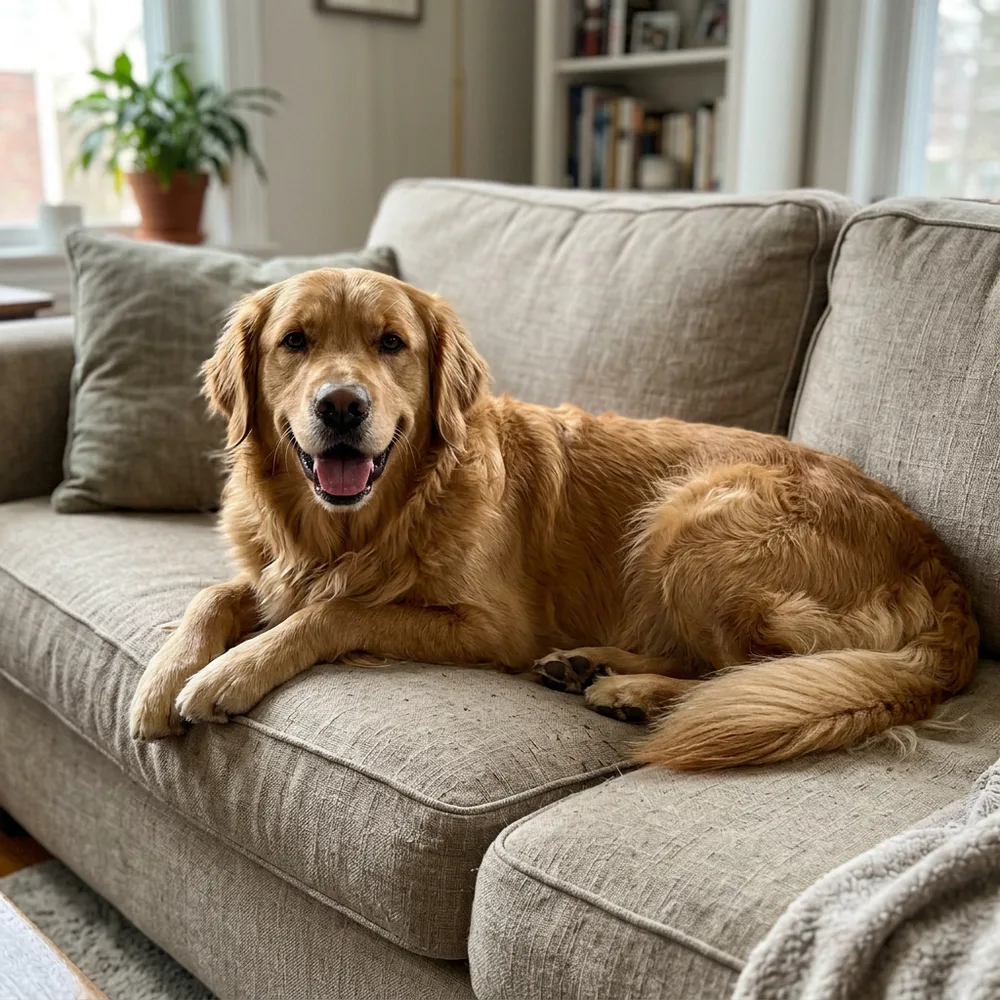
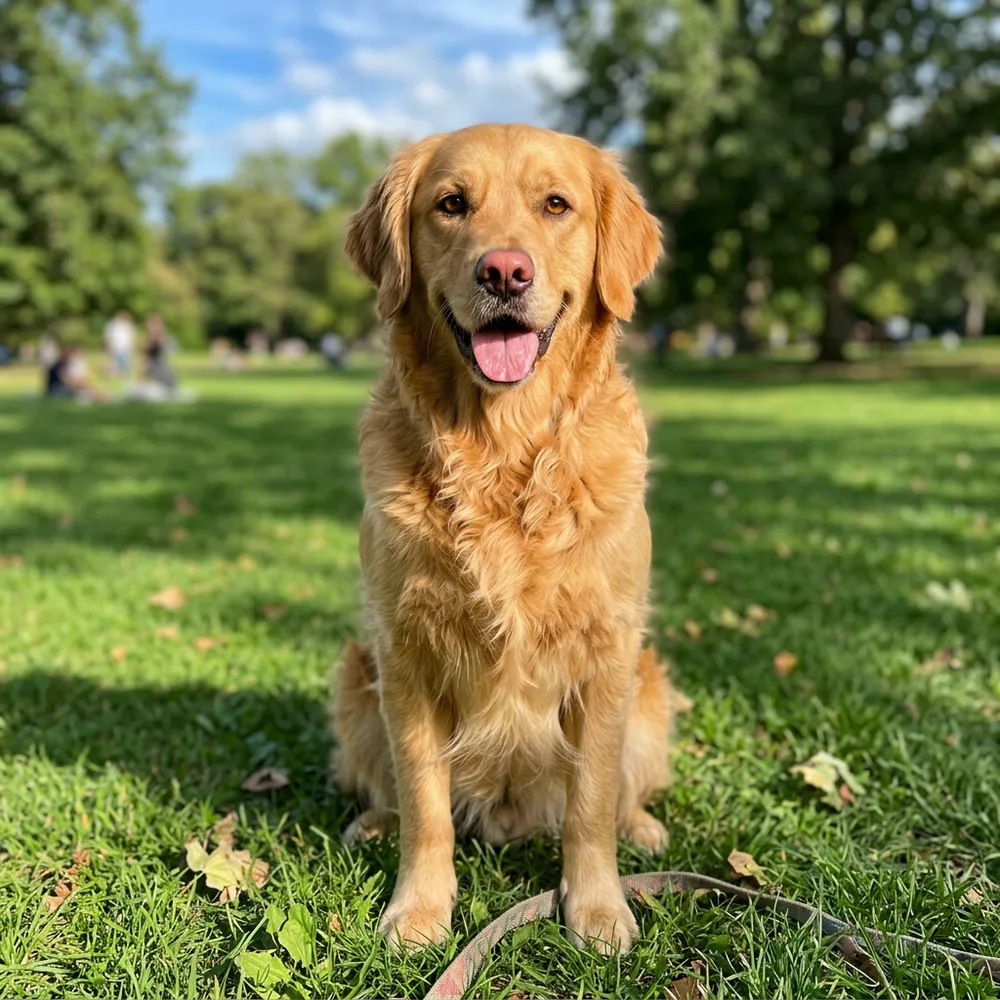
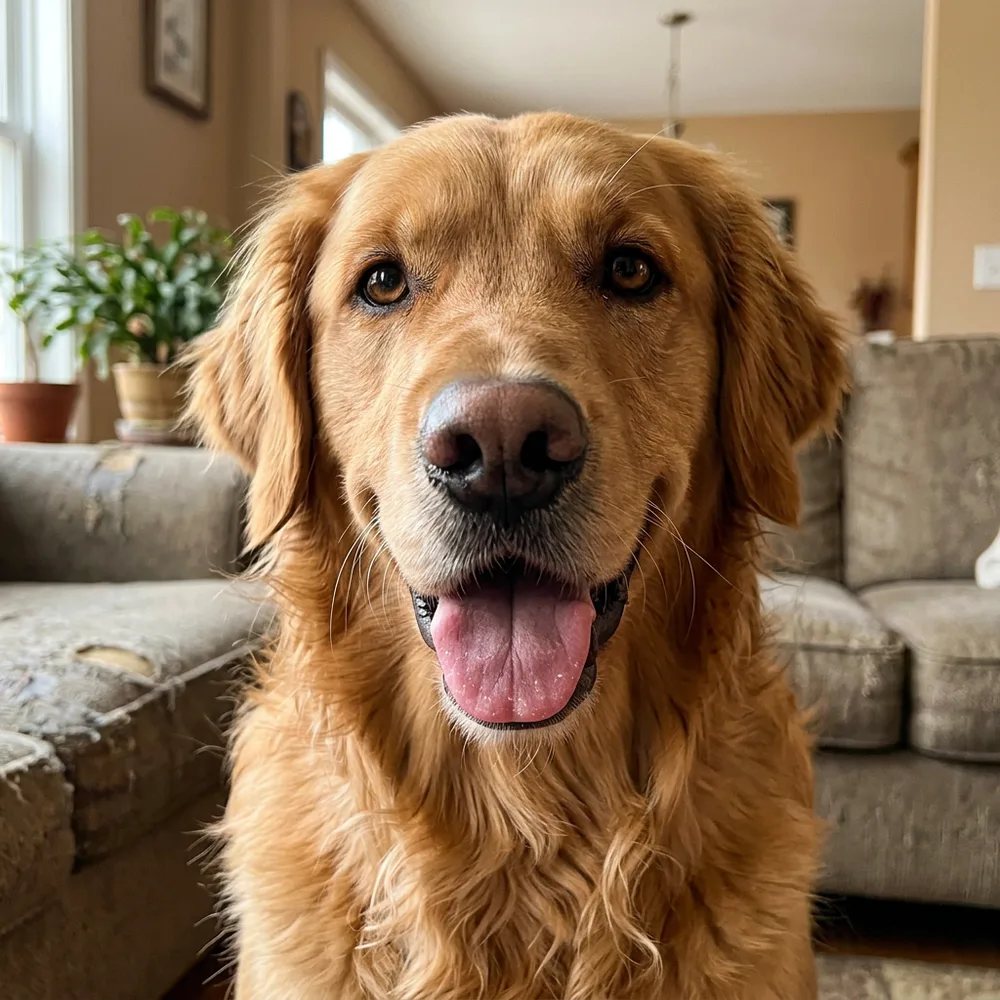
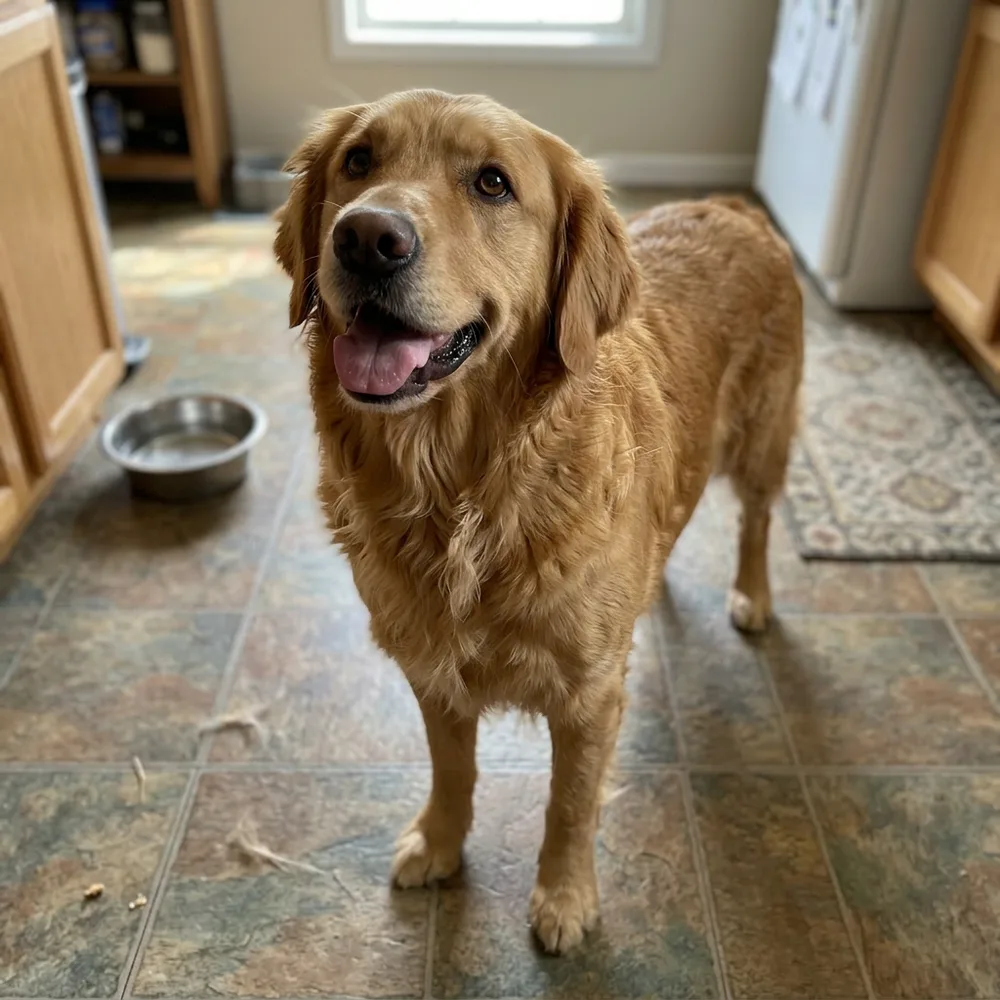
Every portrait below started as an ordinary phone photo. Nothing was staged, nothing was retouched first. Same animal, same pose, same collar — that is the whole point of it.
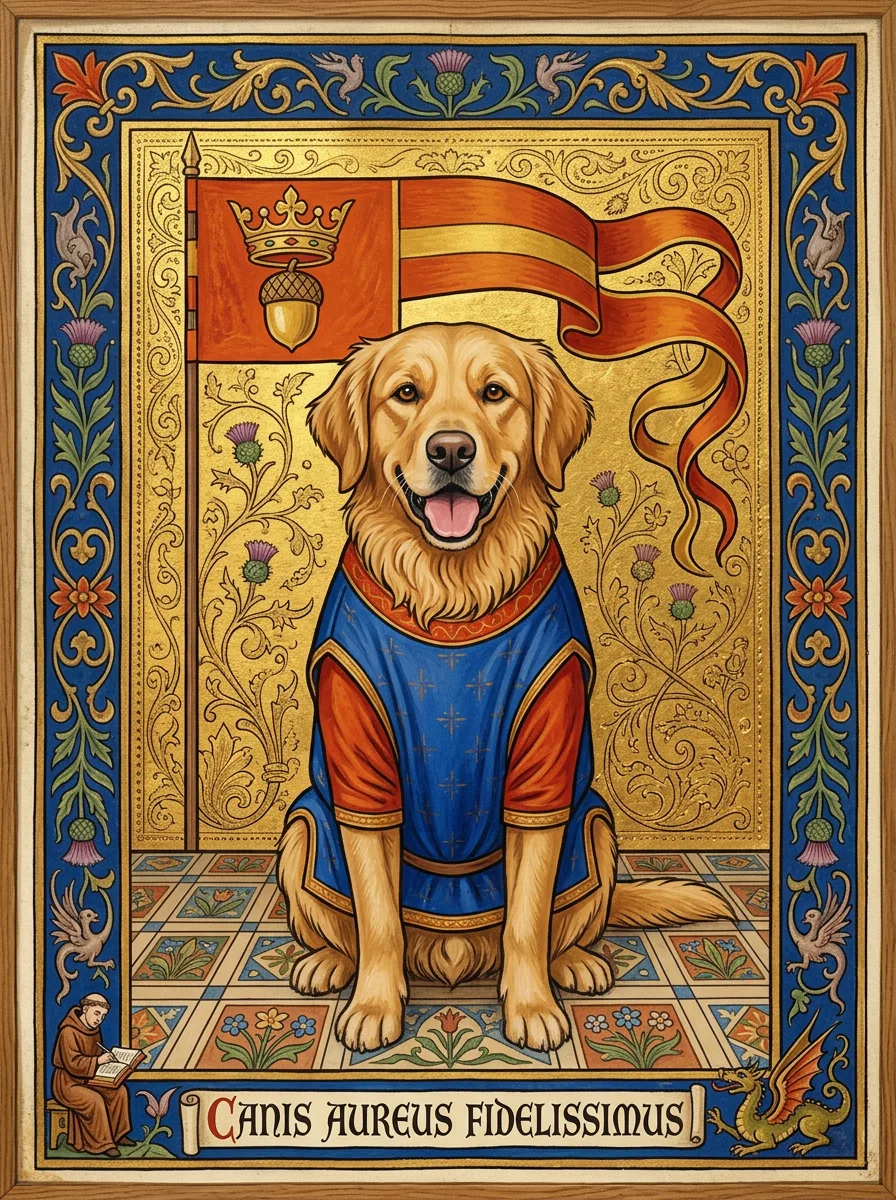
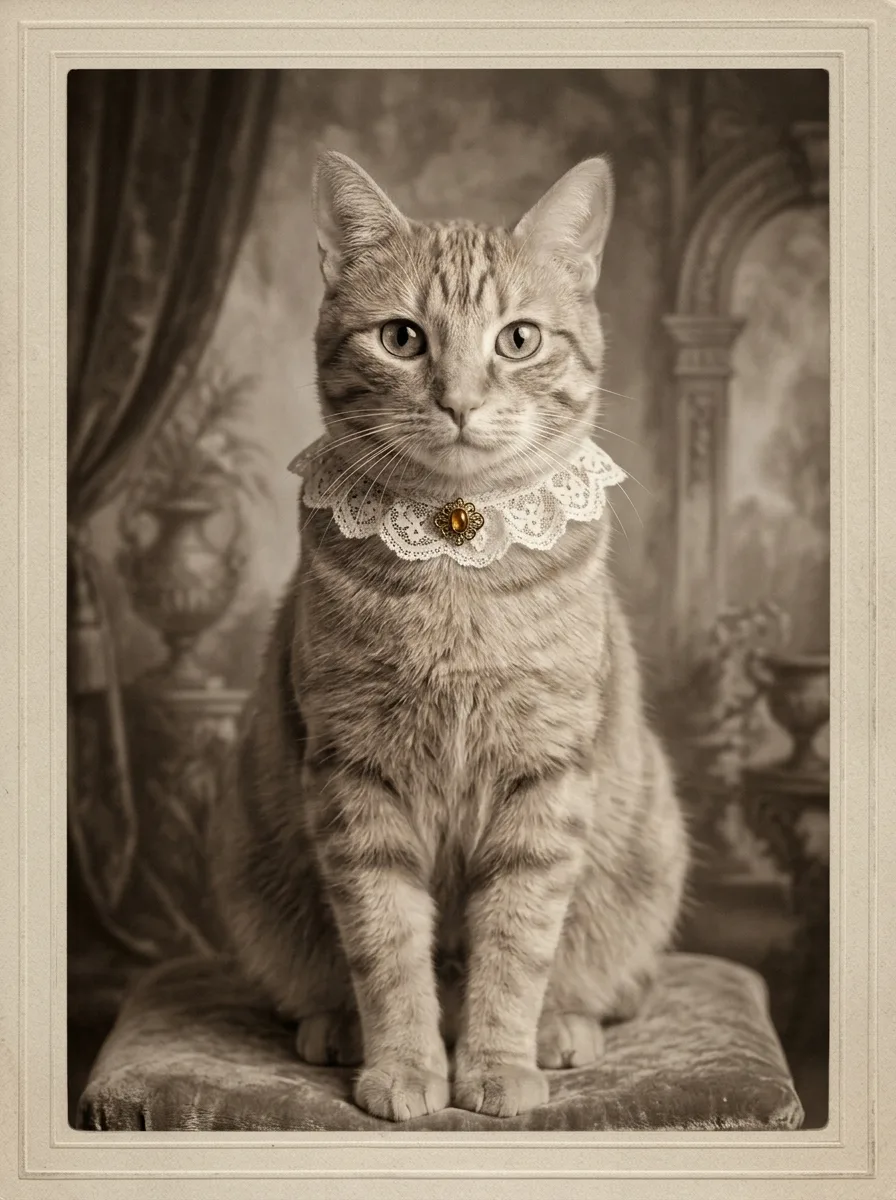
The same style on other pets
Generate your pet photos with AI
Train your AI model once, then generate a full set from your own selfies in minutes.
Start your Pets shootMore Pets photos