Model comparison
Flux vs Midjourney: designed versus beautiful
The usual framing of Flux versus Midjourney is "open model catches up to the pretty one", and it misses what the argument is actually about. These two tools disagree on what an image generator is for. Midjourney produces images with a point of view — a house aesthetic so consistent that people can identify it across a feed. Flux 2 Max produces images that do what the prompt said, including, crucially, the words in it.
First, the disclosure, because it is the whole reason this page is worth your time: renza runs Flux 2 Max in production on paid generations. We do not run Midjourney. Every image below is ours; every Midjourney cell in the table that concerns output quality says "not measured here" instead of guessing. Most articles on this keyword ran neither model and will not tell you that.
So: real Flux outputs on five deliberately awkward prompts, real Flux edits on a real photo, and an honest account of the things Midjourney does better that no amount of prompt engineering closes.
Flux 2 Max vs Midjourney at a glance
| Flux 2 Max | Midjourney | |
|---|---|---|
| Made by | Black Forest Labs | Midjourney, Inc. |
| First-hand on this page | Yes — outputs below are our own generations | No — we do not run it, nothing below is measured |
| Available in renza | Yes | No |
| Where you use it | Browser prompt box, generate on demand | Discord-first historically, plus its own web app |
| Typography and fine detail | Best in class — the reason it is our default | Not measured here — we do not run it |
| Photorealistic people | Very good (Nano Banana Pro is our pick for this) | Not measured here — we do not run it |
| Editing an existing photo | Yes, instruction-based, precise and surgical | Not measured here — we do not run it |
| Style consistency tooling | Reference images per generation or edit | Style references (--sref), character references and moodboards — the most developed system of its kind |
| Open weights | BFL publishes open weights for some Flux variants; Flux 2 Max is the hosted pro tier | No, closed and hosted only |
| Free tier | None; included in renza from $9.99/month | None |
| Cost in renza | 3 credits per image | Not available |
What Flux 2 Max does with these prompts
Every image below came out of renza on a real, paid Flux 2 Max generation, one run per prompt, untouched. There is no Midjourney column because we do not run Midjourney — see the empty slot next to each output.
Typography and layout
“vintage-style poster for a coffee shop named 'Morning Ritual', with the slogan 'Slow down. Sip. Repeat.' in elegant serif type, cream and brown palette”
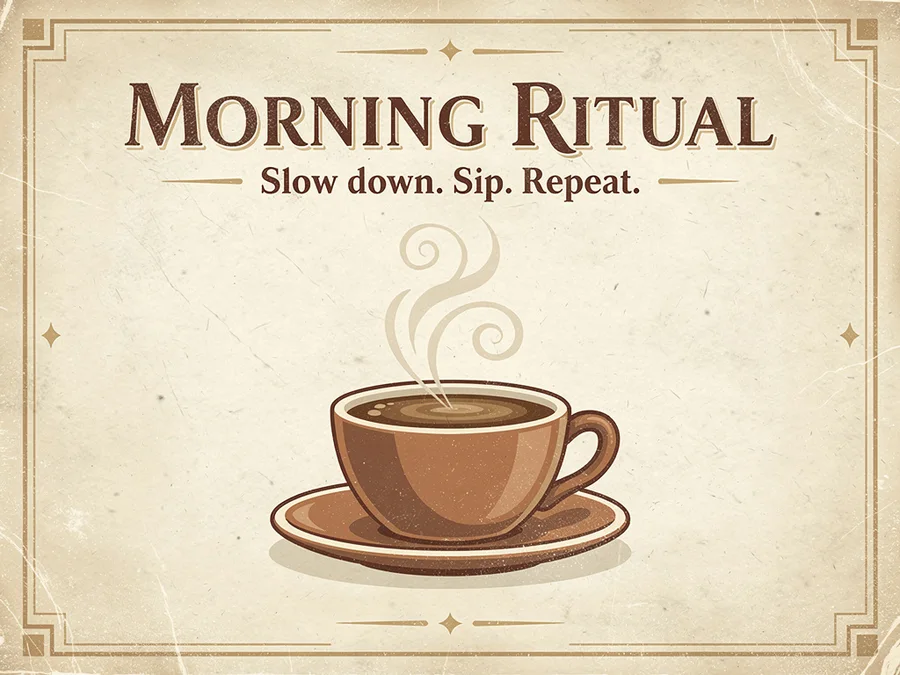
No Midjourney output. We do not run Midjourney, so we have nothing first-hand to put here. Most “Flux vs Midjourney” articles fill this slot with an image they did not generate; we would rather leave it empty and tell you.
The prompt that explains why Flux exists. Two exact strings, a specified typeface class, a specified palette, and a layout that has to hold together as a poster. Check the kerning and the baselines: this is the axis where Flux 2 Max beats everything else we run, and text has historically been where Midjourney users reach for Photoshop.
Product photography
“studio product photo of matte black wireless headphones on a stone pedestal, dramatic side lighting, dark background, high-end advertising photography”
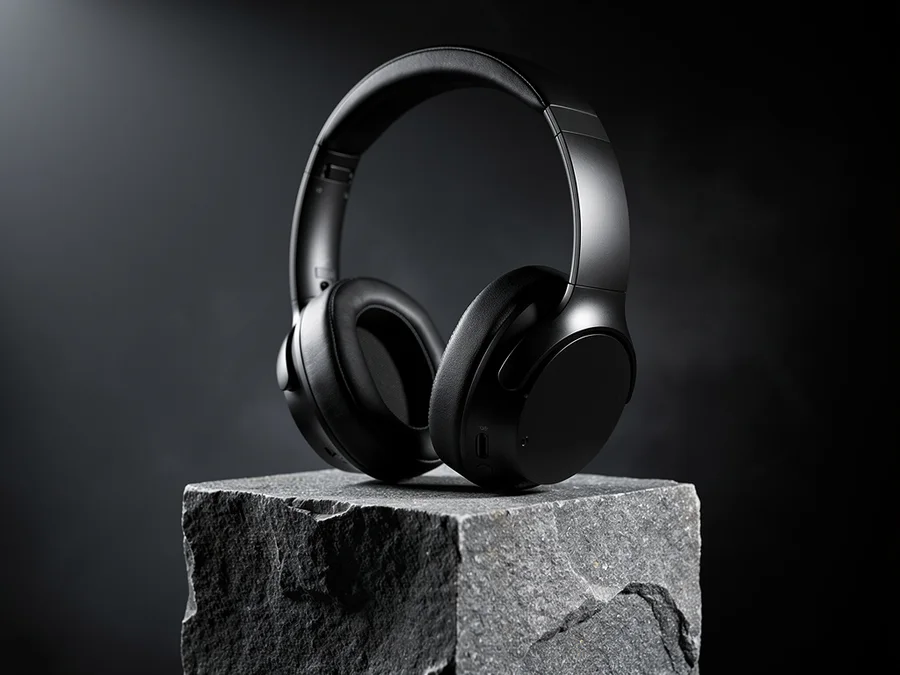
No Midjourney output. We do not run Midjourney, so we have nothing first-hand to put here. Most “Flux vs Midjourney” articles fill this slot with an image they did not generate; we would rather leave it empty and tell you.
Commercial work with a brief attached. Matte plastic should absorb light, stone should keep its grain, and the subject edge should be clean enough to mask out for a layout. Flux tends to give you the clean, usable studio composition rather than the more dramatic interpretation.
Flat illustration
“flat vector illustration of a fox reading a book under a tree, warm autumn palette, clean shapes, children's book style”

No Midjourney output. We do not run Midjourney, so we have nothing first-hand to put here. Most “Flux vs Midjourney” articles fill this slot with an image they did not generate; we would rather leave it empty and tell you.
Graphic-design discipline: staying genuinely flat, keeping shapes clean, resisting the urge to add gradients and 3D shading. This is also the category where a strong house aesthetic is worth the most, and where Midjourney's reputation for beautiful illustration is entirely deserved.
Photorealistic portrait
“candid photo of a woman in her 30s laughing at an outdoor cafe table, golden hour sunlight, shallow depth of field, natural skin texture, photorealistic”
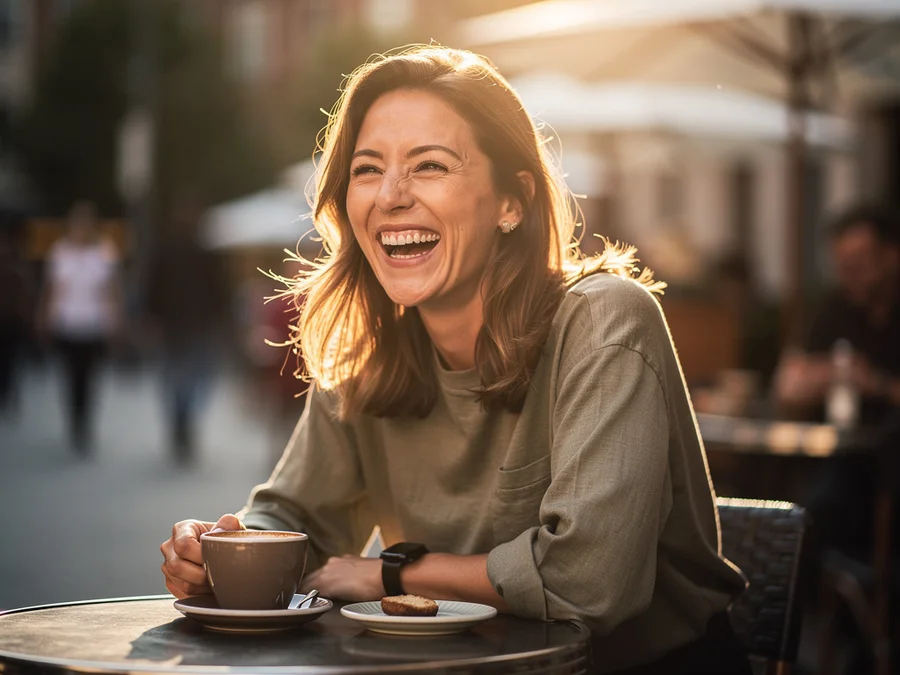
No Midjourney output. We do not run Midjourney, so we have nothing first-hand to put here. Most “Flux vs Midjourney” articles fill this slot with an image they did not generate; we would rather leave it empty and tell you.
Flux is very good at people and it is not what we would pick for them — Nano Banana Pro is our photorealism model, and saying so here is more useful than pretending one model wins everything. Judge the skin texture and how the light falls off at the edge of the face.
The hands test
“close-up photo of two hands kneading bread dough on a floured wooden table, morning window light, photorealistic”

No Midjourney output. We do not run Midjourney, so we have nothing first-hand to put here. Most “Flux vs Midjourney” articles fill this slot with an image they did not generate; we would rather leave it empty and tell you.
Anatomy under pressure. Count the fingers, then check whether the dough actually deforms where the hands press it. A model can nail the fingers and still get the physics of the dough wrong.
Editing: same photo, same instruction
Instruction-based editing is where the gap gets practical. Below, Flux 2 Max edits the same source photo with the same instruction, on our own generations. The Midjourney slot is empty for the same reason as above.
Background swap
“replace the background with a vibrant sunset beach with palm trees and golden hour lighting”
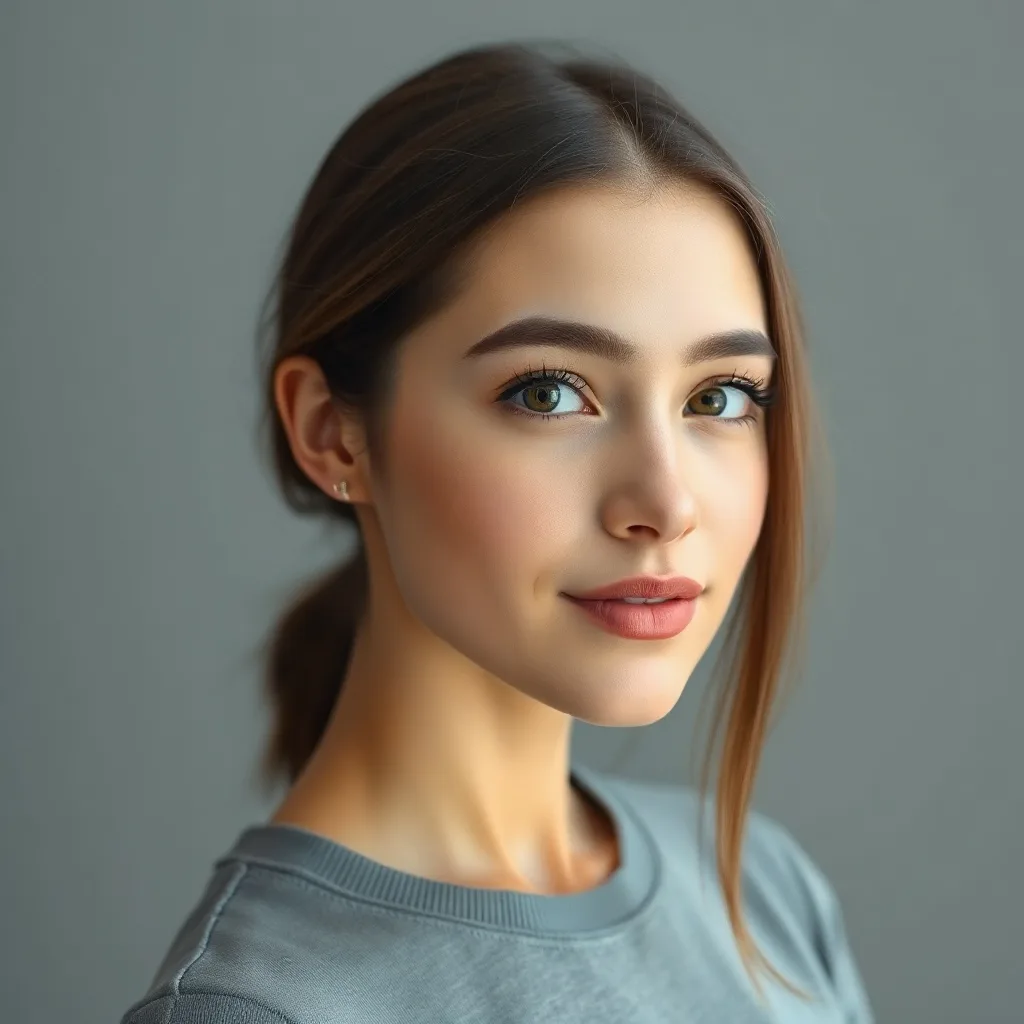
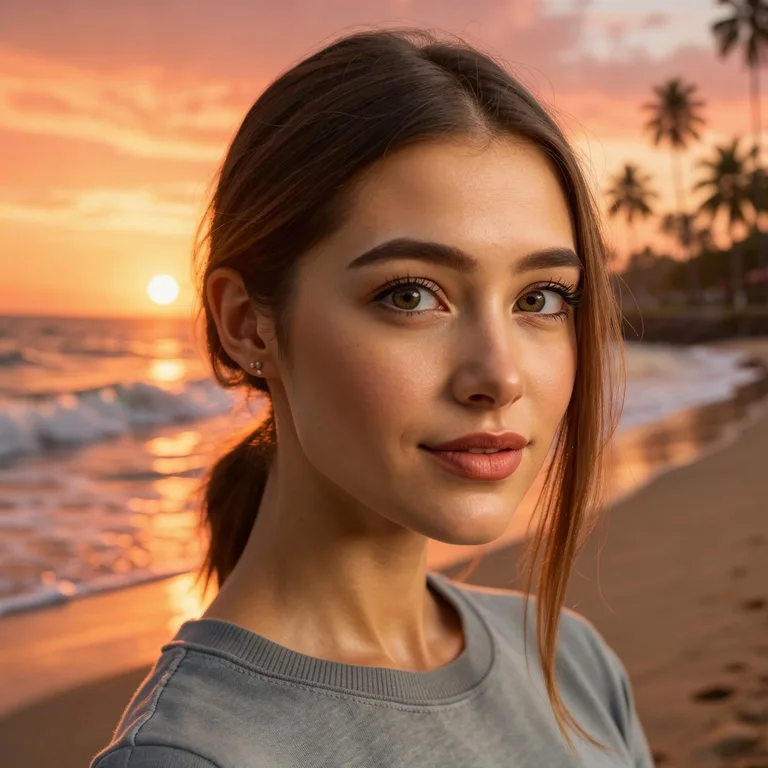
No Midjourney edit — not a model we run, so not a result we can show you.
Add an element
“add a tall floor-to-ceiling stone fireplace with a roaring warm fire to the wall behind the sofa”
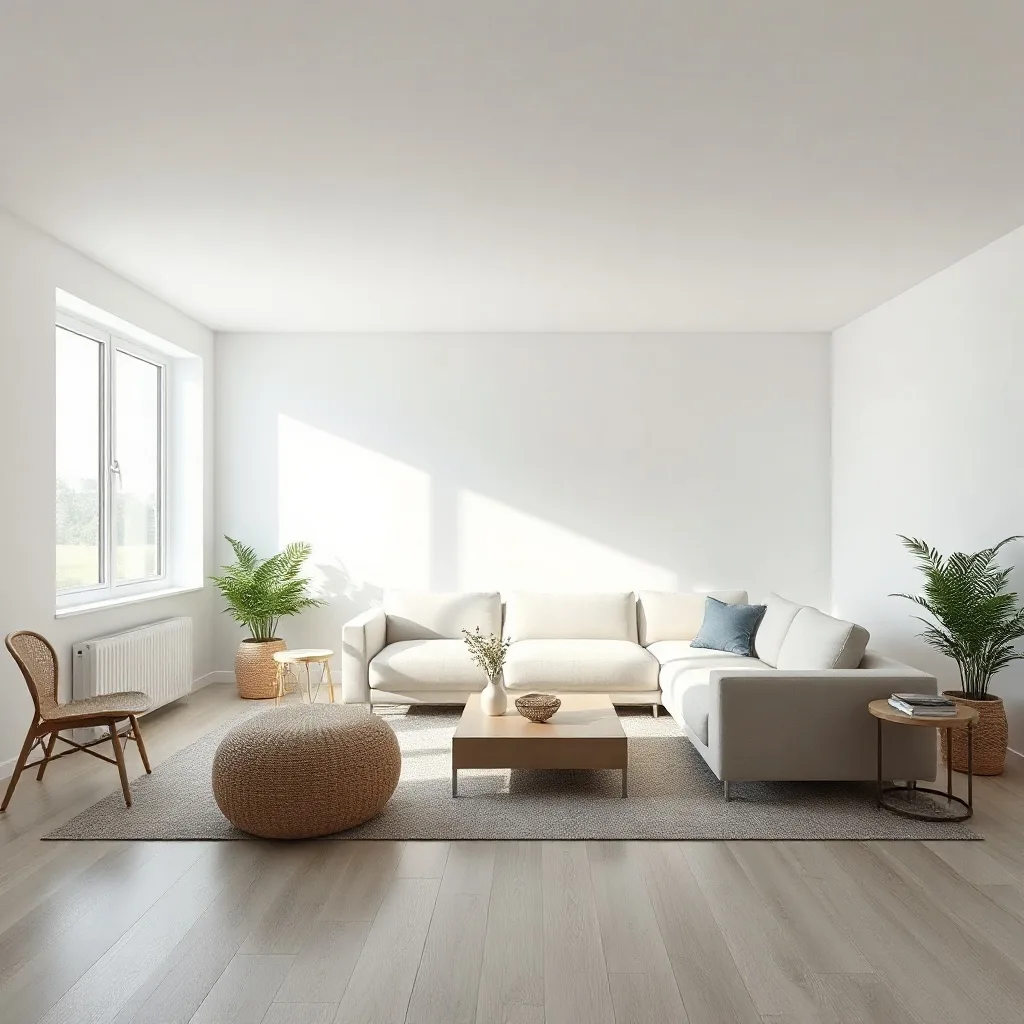
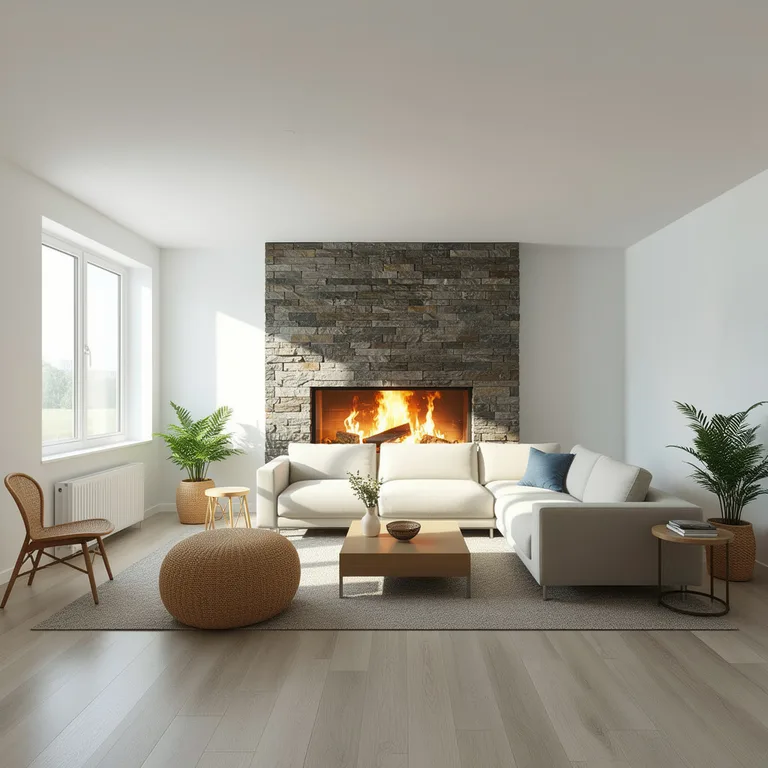
No Midjourney edit — not a model we run, so not a result we can show you.
The verdict
Pick Flux 2 Max when…
- ✓The image has words in it. Posters, packaging, thumbnails, ads, UI mockups, anything where a misspelled word makes the file useless. This is the clearest win on the page.
- ✓You are working to a brief rather than exploring. Flux executes the prompt as specified instead of improving on it, which is what you want when someone else already decided the palette and the layout.
- ✓Graphic-design styles: flat, isometric, editorial, logo-adjacent work where clean shapes matter more than atmosphere.
- ✓You need to edit an existing image. Upload, describe the change, get a surgical edit back — see the before-and-afters below, which are our own runs.
- ✓Cost per image matters while iterating: 3 credits, against 4 for Nano Banana Pro, inside a plan that starts at $9.99 a month for 200 generations across every model.
- ✓You want the option of open weights somewhere in your stack. BFL publishes open weights for some Flux variants, which no closed competitor does.
Pick Midjourney when…
- ✓You want the image to be beautiful before you have done any work. Midjourney's default aesthetic on a lazy prompt is the best in the business, and that is a genuine product advantage rather than a marketing one.
- ✓You need fifty images that look like they came from the same art director: --sref style references, character references and moodboards are the most developed consistency tooling anyone has shipped, and we do not have a true equivalent.
- ✓Concept art, mood boards, illustration and editorial work where atmosphere is the deliverable and literal prompt adherence would flatten it.
- ✓The community is part of the tool. Years of public prompts, shared style codes and galleries are real leverage, and it is the one thing a competitor cannot simply build.
- ✓You already have a house style encoded in --sref codes. That library does not port anywhere, and it is fair to count it as a switching cost.
Midjourney is an aesthetic; Flux 2 Max is an instrument. If your job is to make something beautiful and you will know it when you see it, Midjourney's defaults will get you there faster and we are not going to argue otherwise. If your job is to produce a specific asset — a poster with those exact words, a product shot to that brief, an edit to a photo the client already sent — then literal execution beats house style, and the outputs above show what that looks like. They are also, unlike most pages on this keyword, actually ours.
Stop choosing a lab. Choose per image.
renza runs Flux 2 Max and every other frontier image model behind one prompt box, one account, one credit balance — from $9.99 a month, in your browser. Midjourney is not one of them, and now you know exactly which claims on this page came from our own generations.
Frequently asked questions
Is Flux better than Midjourney?
For anything with text in it, for working to a specific brief, and for editing an image you already have, we will argue yes — and the outputs above are our own generations rather than someone else's screenshots. For aesthetic default and style consistency across a body of work, Midjourney is better. We do not run Midjourney, so we score its access and workflow, not its pixels.
Why is there no Midjourney column in the images?
Because we did not generate any Midjourney images. renza runs Flux 2 Max, so those outputs are real one-run-per-prompt generations we paid for. Putting scraped images in the empty column would make the page look balanced and make it worth less. The blank slots are the point.
Is Flux free?
Black Forest Labs publishes open weights for some Flux variants, so parts of the family can be run locally if you have the hardware. Flux 2 Max, the tier compared here, is a hosted pro model: in renza it costs 3 credits per image on a plan that starts at $9.99 a month for 200 generations. Midjourney has no free tier at all.
Which is better for posters and text?
Flux 2 Max, and it is not close to our other options — it is the best typography engine we run, which is why it is our default image model. Text has historically been the weak spot people complain about most with Midjourney. The poster example above is the prompt to judge this on.
Can Flux match the Midjourney look?
Not exactly, and anyone who tells you otherwise is selling something. Midjourney's aesthetic is the product. What Flux gives you instead is a model that does what you write, which means the look is yours to specify rather than the model's to supply — more work up front, more control at the end.
Does Midjourney require Discord?
Not any more — there is a web app. But the workflow, the documentation and most of the community knowledge grew up inside Discord, and for people who do not otherwise use it that friction is still the most common reason they start looking around.
What is the closest thing to Midjourney without Discord?
There is no drop-in clone of the aesthetic. What there is: the frontier models in a browser under one account — Flux 2 Max for design and type, Nano Banana Pro for photorealism, GPT Image 2 for complex instructions. Our Midjourney alternative page covers what transfers and what you genuinely give up.
More comparisons
- Kling 2.5 Turbo Pro vs Veo 3.1 Fast →
- Kling 2.5 Turbo Pro vs Seedance Pro →
- Veo 3.1 Fast vs Sora →
- Seedance Pro vs Veo 3.1 Fast →
- LTX Video vs Kling 2.5 Turbo Pro →
- Nano Banana Pro vs GPT Image 2 →
- Flux 2 Max vs Nano Banana Pro →
- Qwen Image Max vs Flux 2 Max →
- Nano Banana Pro vs Midjourney →