Model comparison
Nano Banana Pro vs Midjourney: which half of this page is first-hand
Almost every "Nano Banana Pro vs Midjourney" article you will find was written by someone who ran neither. They pull four images off X, restate two spec sheets, and declare a winner. This page is going to be more boring and more useful than that, starting with the disclosure: renza runs Nano Banana Pro in production, on paid generations, every day. We do not run Midjourney. So every image below is ours, and every Midjourney cell in the table that concerns output quality says "not measured here" rather than guessing.
That leaves a real comparison, just an asymmetric one. On our side: what Google's premium model does with five hard prompts, and what it does when you hand it a photo and an instruction. On Midjourney's side: what it is genuinely, structurally better at — a house aesthetic that most people prefer straight out of the box, and the best style-consistency tooling in the business.
If you want the short answer: Midjourney if you want a look, Nano Banana Pro if you want a photograph.
Nano Banana Pro vs Midjourney at a glance
| Nano Banana Pro | Midjourney | |
|---|---|---|
| Made by | Midjourney, Inc. | |
| First-hand on this page | Yes — outputs below are our own generations | No — we do not run it, nothing below is measured |
| Available in renza | Yes | No |
| Where you use it | Browser prompt box, generate on demand | Discord-first historically, plus its own web app |
| Photorealism | Best in class: natural skin, hair and light | Not measured here — we do not run it |
| Text in images | Excellent — see the poster prompt below | Not measured here — we do not run it |
| Editing an existing photo | Yes, instruction-based, up to 14 reference images | Not measured here — we do not run it |
| Style consistency tooling | Reference images (up to 14 per edit) | Style references (--sref), character references and moodboards — the most developed system of its kind |
| Free tier | None; included in renza from $9.99/month | None |
| Cost in renza | 4 credits per image | Not available |
What Nano Banana Pro does with these prompts
Every image below came out of renza on a real, paid Nano Banana Pro generation, one run per prompt, untouched. There is no Midjourney column because we do not run Midjourney — see the empty slot next to each output.
Photorealistic portrait
“candid photo of a woman in her 30s laughing at an outdoor cafe table, golden hour sunlight, shallow depth of field, natural skin texture, photorealistic”
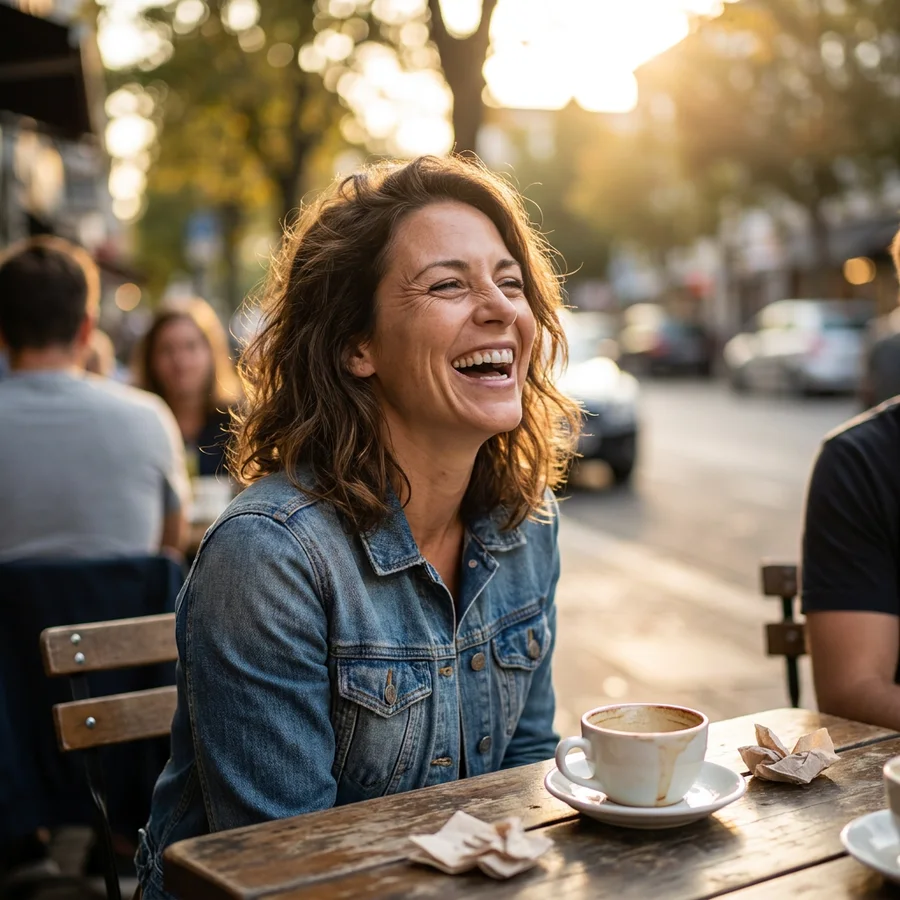
No Midjourney output. We do not run Midjourney, so we have nothing first-hand to put here. Most “Nano Banana Pro vs Midjourney” articles fill this slot with an image they did not generate; we would rather leave it empty and tell you.
This is the prompt where the two philosophies separate hardest. Nano Banana Pro is aiming at a photograph: pores, stray hairs, light that falls off the way light does. Midjourney's house style leans beautiful — which is a feature when you want an image and a problem when you want evidence that someone was at a cafe.
Typography and layout
“vintage-style poster for a coffee shop named 'Morning Ritual', with the slogan 'Slow down. Sip. Repeat.' in elegant serif type, cream and brown palette”
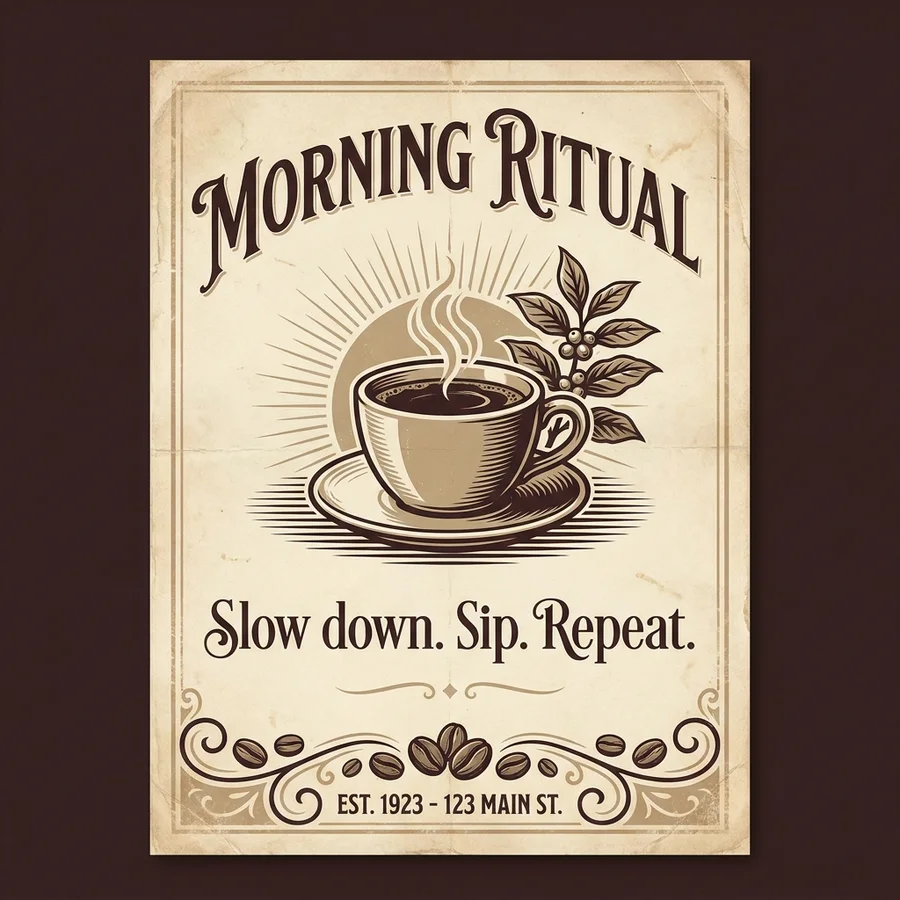
No Midjourney output. We do not run Midjourney, so we have nothing first-hand to put here. Most “Nano Banana Pro vs Midjourney” articles fill this slot with an image they did not generate; we would rather leave it empty and tell you.
Legible, correctly spelled type inside a generated image was an unsolved problem two years ago and is now table stakes for the frontier models. Text has historically been the weakest part of Midjourney's output; we cannot show you its current attempt, but this is what a model that treats type as a first-class citizen produces.
Product photography
“studio product photo of matte black wireless headphones on a stone pedestal, dramatic side lighting, dark background, high-end advertising photography”
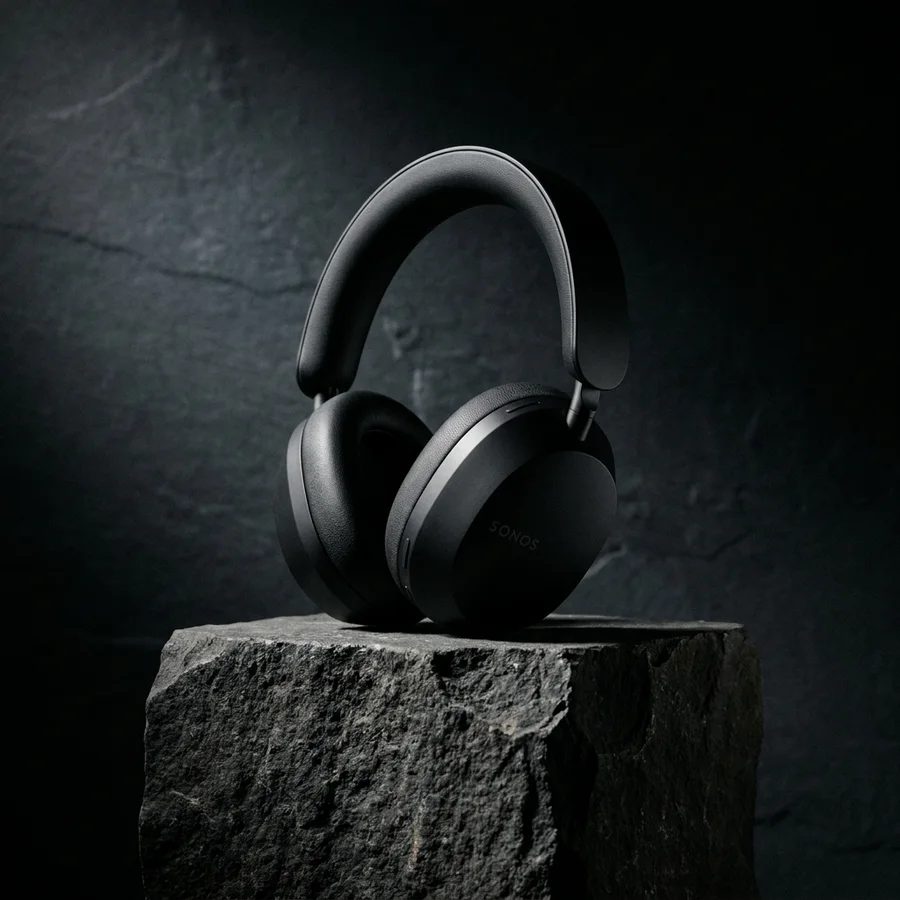
No Midjourney output. We do not run Midjourney, so we have nothing first-hand to put here. Most “Nano Banana Pro vs Midjourney” articles fill this slot with an image they did not generate; we would rather leave it empty and tell you.
Commercial product work is judged on material response: matte plastic should swallow light, stone should keep its grain, the edge between them should be clean enough to cut out. Look at the pedestal rather than the headphones.
Flat illustration
“flat vector illustration of a fox reading a book under a tree, warm autumn palette, clean shapes, children's book style”
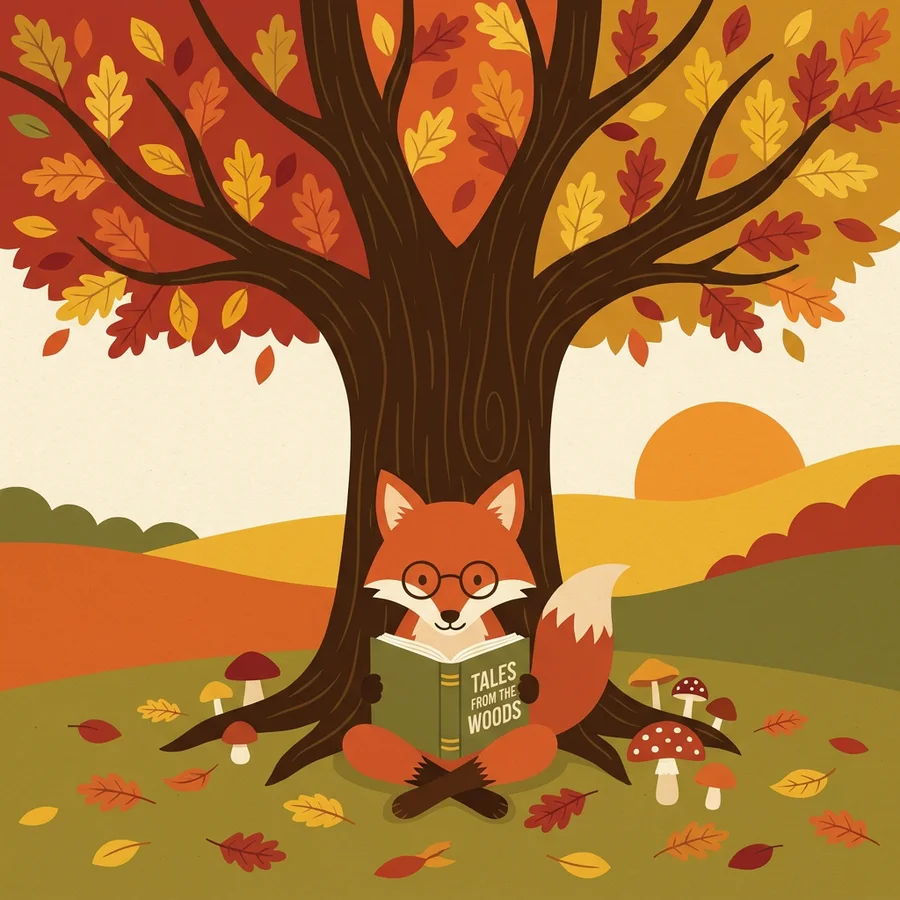
No Midjourney output. We do not run Midjourney, so we have nothing first-hand to put here. Most “Nano Banana Pro vs Midjourney” articles fill this slot with an image they did not generate; we would rather leave it empty and tell you.
Style discipline: "flat" means flat, no sneaky gradients or 3D shading creeping in. This is the category where a strong house aesthetic helps most, and where Midjourney's reputation is most deserved — its illustration output is genuinely lovely, which is why we are pointing at the axis rather than pretending it does not exist.
The hands test
“close-up photo of two hands kneading bread dough on a floured wooden table, morning window light, photorealistic”
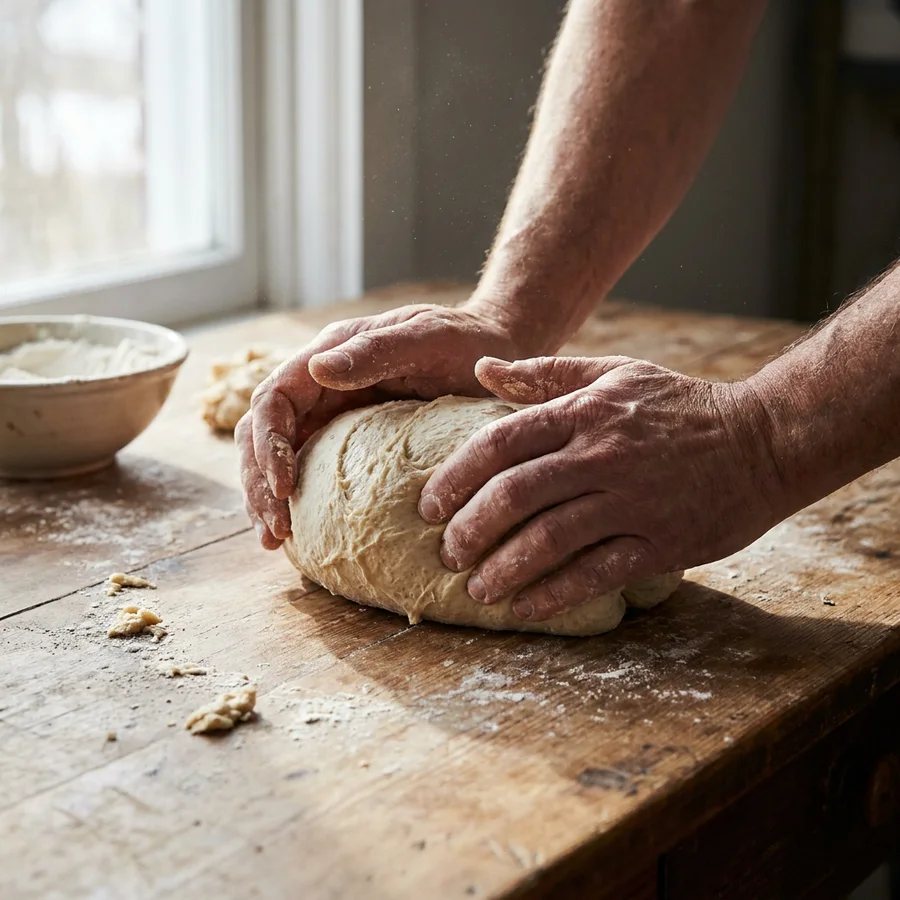
No Midjourney output. We do not run Midjourney, so we have nothing first-hand to put here. Most “Nano Banana Pro vs Midjourney” articles fill this slot with an image they did not generate; we would rather leave it empty and tell you.
The oldest benchmark in AI images. Count the fingers, check the knuckles, then look at whether the dough deforms under pressure the way dough does. Every model got much better at this in 2025; not every model got equally better.
Editing: same photo, same instruction
Instruction-based editing is where the gap gets practical. Below, Nano Banana Pro edits the same source photo with the same instruction, on our own generations. The Midjourney slot is empty for the same reason as above.
Background swap
“replace the background with a vibrant sunset beach with palm trees and golden hour lighting”
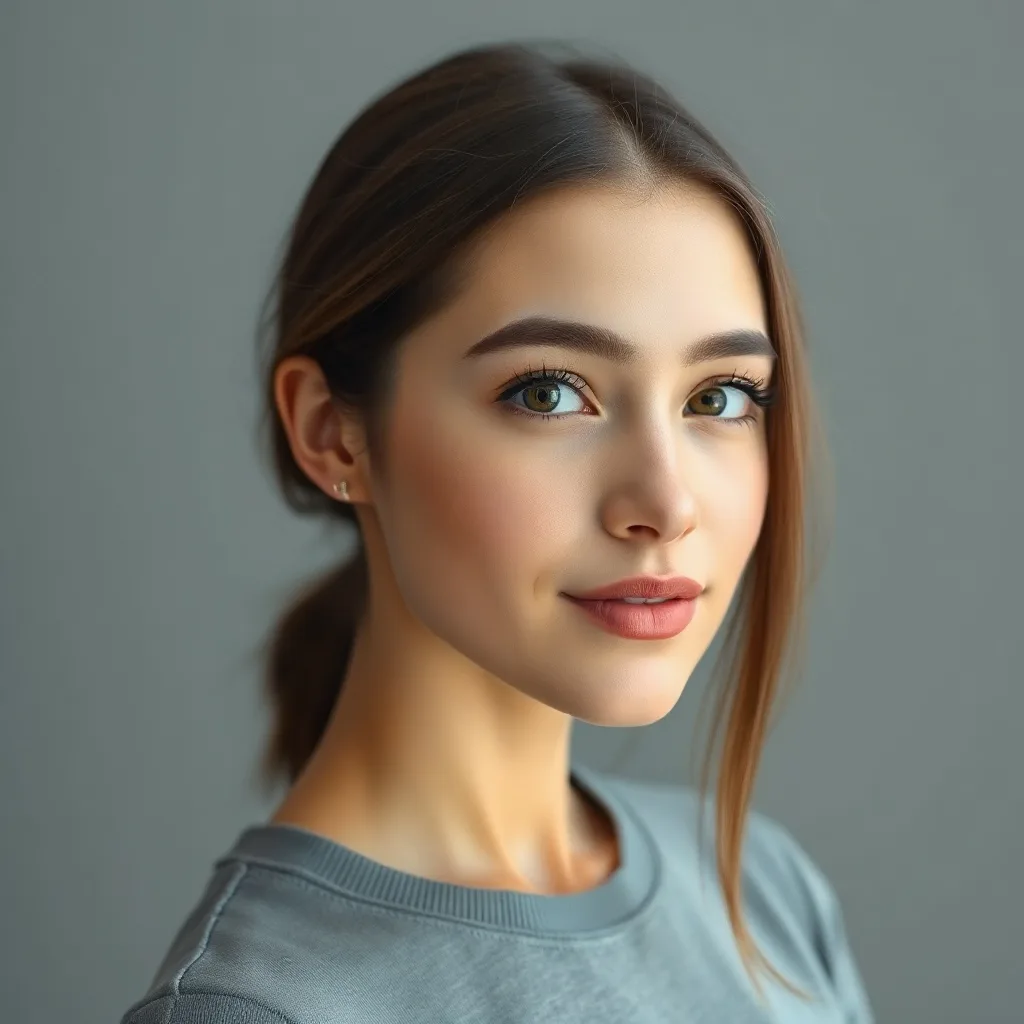
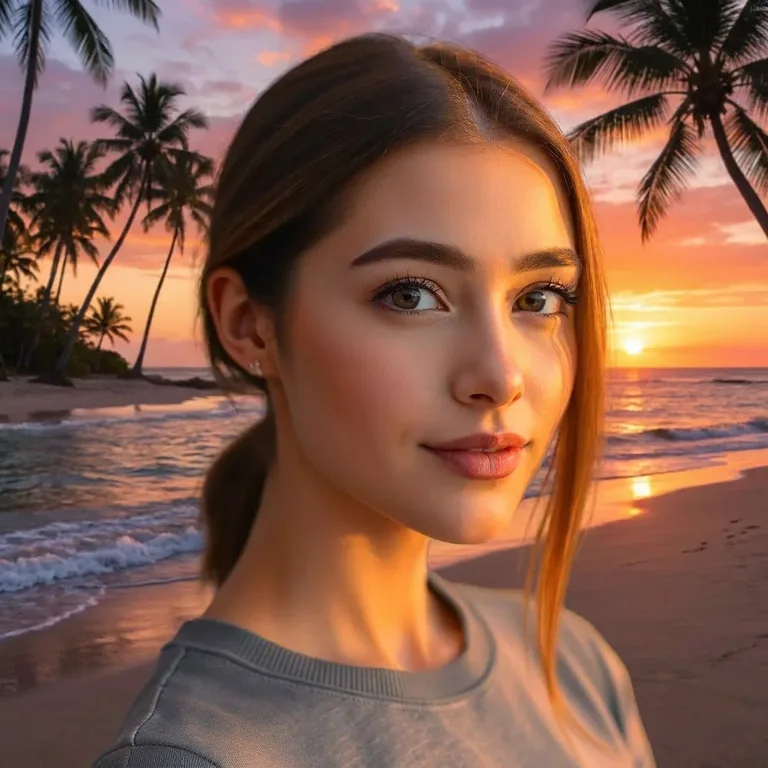
No Midjourney edit — not a model we run, so not a result we can show you.
Add an element
“add a tall floor-to-ceiling stone fireplace with a roaring warm fire to the wall behind the sofa”
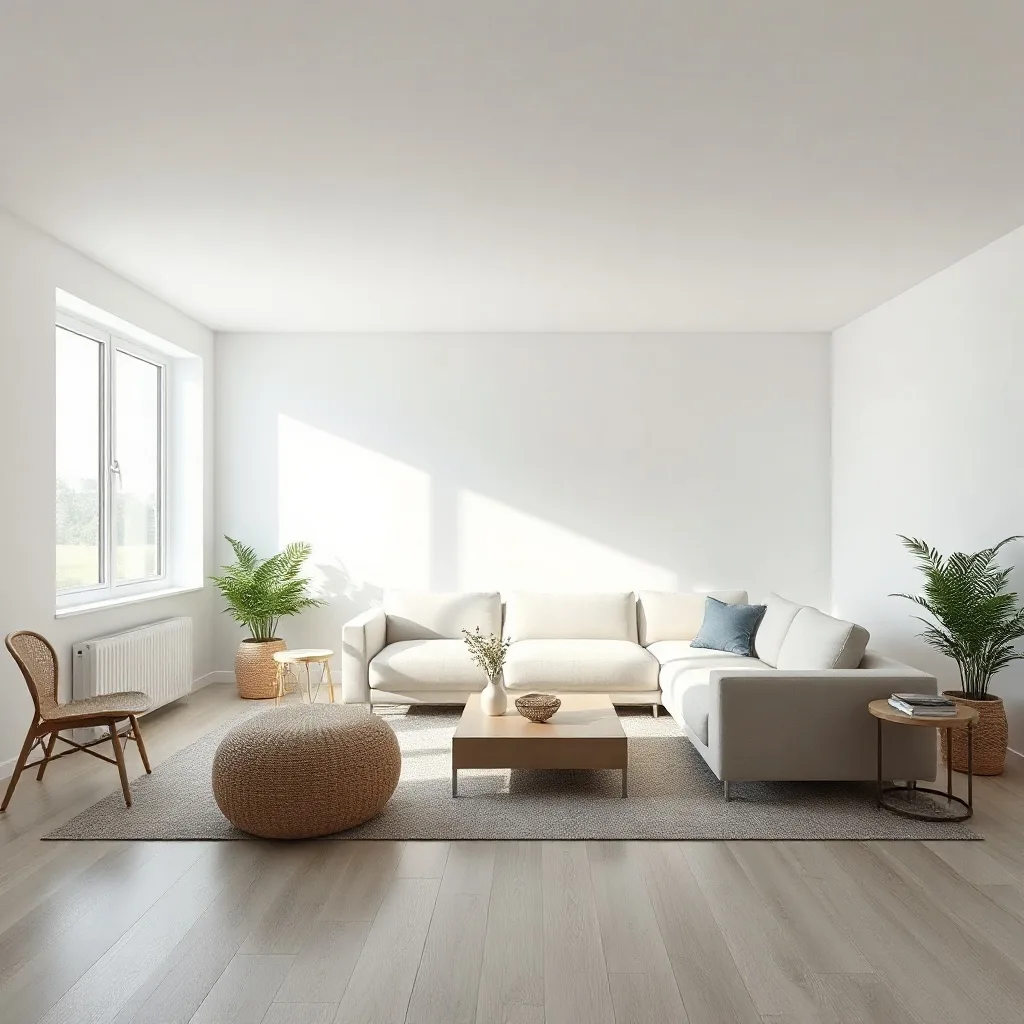
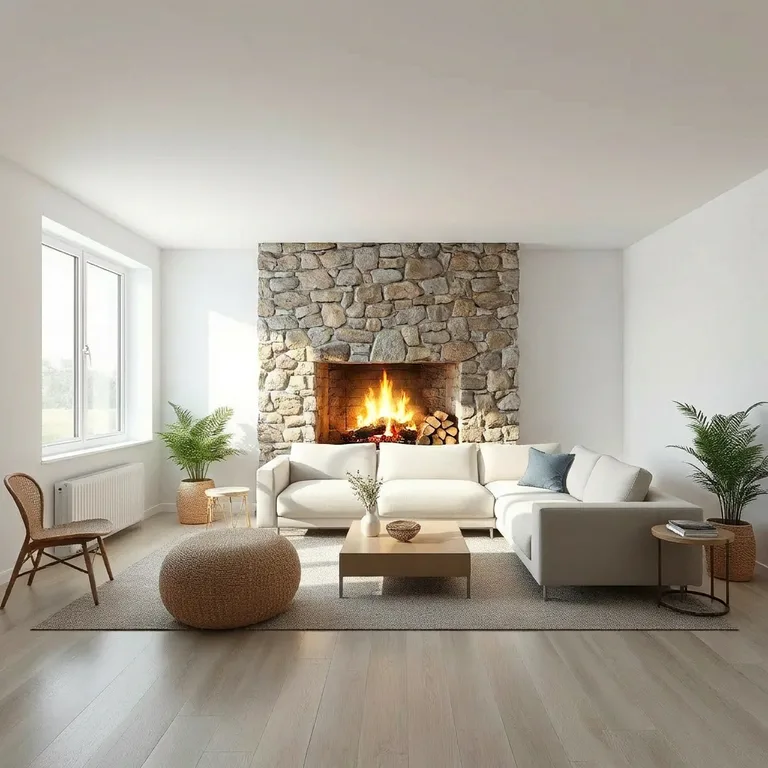
No Midjourney edit — not a model we run, so not a result we can show you.
The verdict
Pick Nano Banana Pro when…
- ✓You need a photograph, not an illustration of one. Skin, hair and natural light are where Nano Banana Pro separates itself from everything else we run.
- ✓The image has words in it — a poster, packaging, a thumbnail, a UI mockup. Text rendering is a solved problem here and has historically been Midjourney's weakest area.
- ✓You want to edit a photo you already have. Upload it, describe the change, get it back — Midjourney is built around generating new images rather than instruction-editing yours.
- ✓You need a character or product to stay consistent across a whole set, using up to 14 reference images in a single edit.
- ✓You want image and video behind one prompt box: the same account also runs Kling, Veo 3.1 and Seedance, so a still can become a clip without a second subscription.
- ✓You do not want a Discord workflow, and you want the model to be one of several rather than the only one.
Pick Midjourney when…
- ✓You want a look more than you want a result. Midjourney's default aesthetic is the single most recognisable in AI images and, on a plain prompt with no styling effort, most people prefer it. That is a real advantage and no spec sheet captures it.
- ✓You need visual consistency across a body of work: --sref style references, character references and moodboards are the most developed style-transfer system any image tool has shipped, and nothing in our lineup is a true equivalent.
- ✓You are doing concept art, illustration or mood work where "beautiful" is the actual requirement and photographic literalism would be a downgrade.
- ✓The community matters to you. Years of shared prompts, style codes and public galleries are a genuine asset, and it is the one thing a competitor cannot ship a version of.
- ✓You have already built a library of --sref codes and a house style around them. Migrating that is a real cost, and it is fair to weigh it.
These are not the same product. Midjourney sells taste: one model, one gorgeous default, the best tooling for keeping a hundred images looking like they belong together. Nano Banana Pro sells fidelity and control: photographs that look photographed, text that says what you typed, and an edit box that takes your own photo. If your work is styled, Midjourney is genuinely hard to beat. If your work has to look real, or has words in it, or starts from an image you already own, that is what the outputs above are for — and they are ours, which is more than most pages on this keyword can say.
Stop choosing a lab. Choose per image.
renza runs Nano Banana Pro and every other frontier image model behind one prompt box, one account, one credit balance — from $9.99 a month, in your browser. Midjourney is not one of them, and now you know exactly which claims on this page came from our own generations.
Frequently asked questions
Is Nano Banana Pro better than Midjourney?
On photorealism, text rendering and editing an existing photo, we will argue yes, and the outputs above are our own so you can check the claim. On aesthetic default and style consistency, Midjourney is genuinely better and we are not going to pretend otherwise. What we will not do is score Midjourney's pixels against ours, because we do not run Midjourney and have not generated a single image with it for this page.
Why does this comparison only show one model's images?
Because we only generated one model's images. renza runs Nano Banana Pro, so those outputs are real, paid, one-run-per-prompt generations. Filling the other column with images scraped from social media would look more balanced and mean less. The empty slots are the honest version.
What is Nano Banana Pro?
Google's state-of-the-art image generation and editing model, the successor to the original Nano Banana. Its strengths are photorealistic people, legible text, and using many reference images at once to keep a character or product consistent — up to 14 in a single edit.
Does Midjourney still require Discord?
Not exclusively — Midjourney has its own web app now. But the product grew up inside Discord, a lot of the workflow, documentation and community knowledge still assumes it, and for people who do not otherwise live in Discord it remains the most common reason they go looking for something else.
Does Midjourney have a free tier?
No. Midjourney is paid from the first image. renza is too — but the $9.99 plan covers 200 generations a month across every image and video model we run, not one model, so the comparison is really one subscription against one subscription.
Can Midjourney edit my own photos?
It is built primarily around generating new images rather than taking an upload plus an instruction and returning your photo modified. That workflow is Nano Banana Pro's home ground, and the before-and-after edits above are our own runs of exactly that.
What if I want the Midjourney look without Discord?
Nothing reproduces Midjourney's house aesthetic exactly — that is its whole moat. What you can get is the frontier models under one browser account with no server to join: see our Midjourney alternative page for the full breakdown of what transfers and what does not.
More comparisons
- Kling 2.5 Turbo Pro vs Veo 3.1 Fast →
- Kling 2.5 Turbo Pro vs Seedance Pro →
- Veo 3.1 Fast vs Sora →
- Seedance Pro vs Veo 3.1 Fast →
- LTX Video vs Kling 2.5 Turbo Pro →
- Nano Banana Pro vs GPT Image 2 →
- Flux 2 Max vs Nano Banana Pro →
- Qwen Image Max vs Flux 2 Max →
- Flux 2 Max vs Midjourney →