Victorian pet portrait
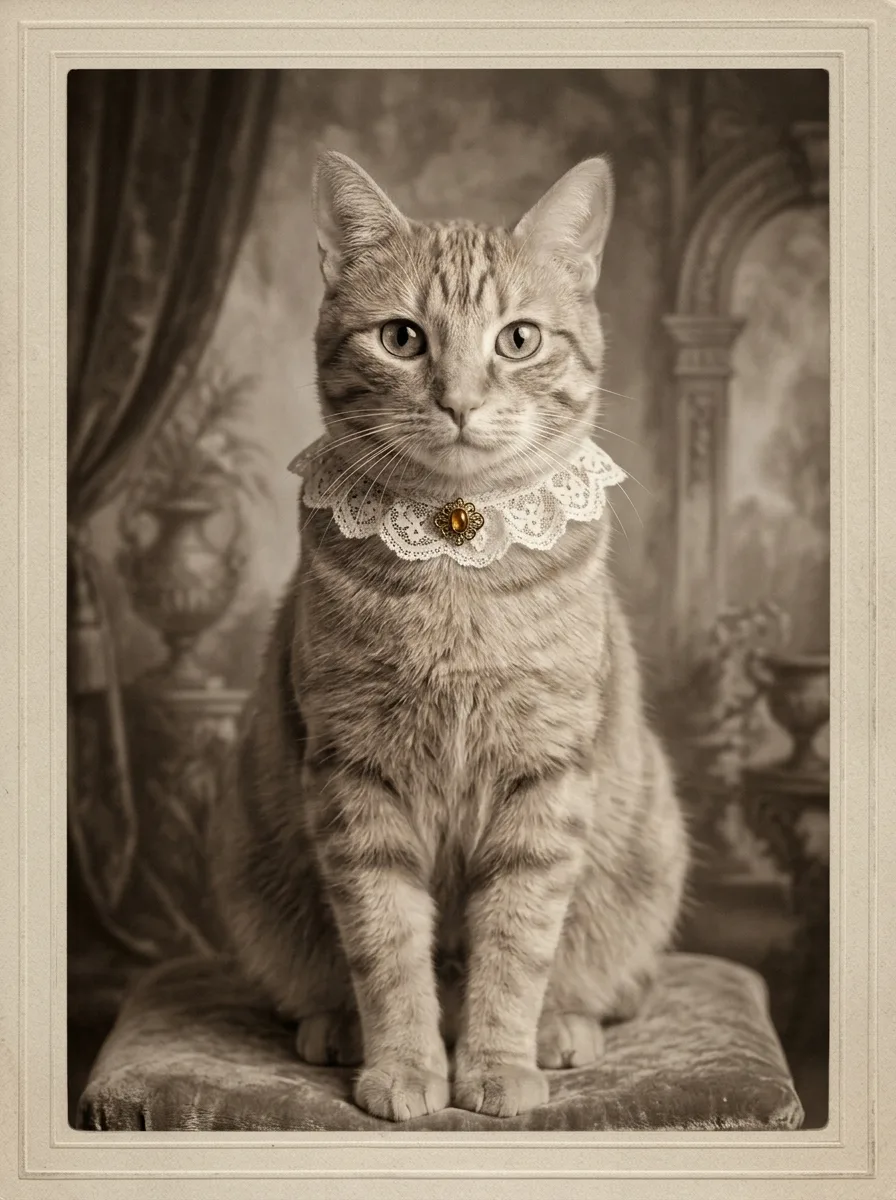
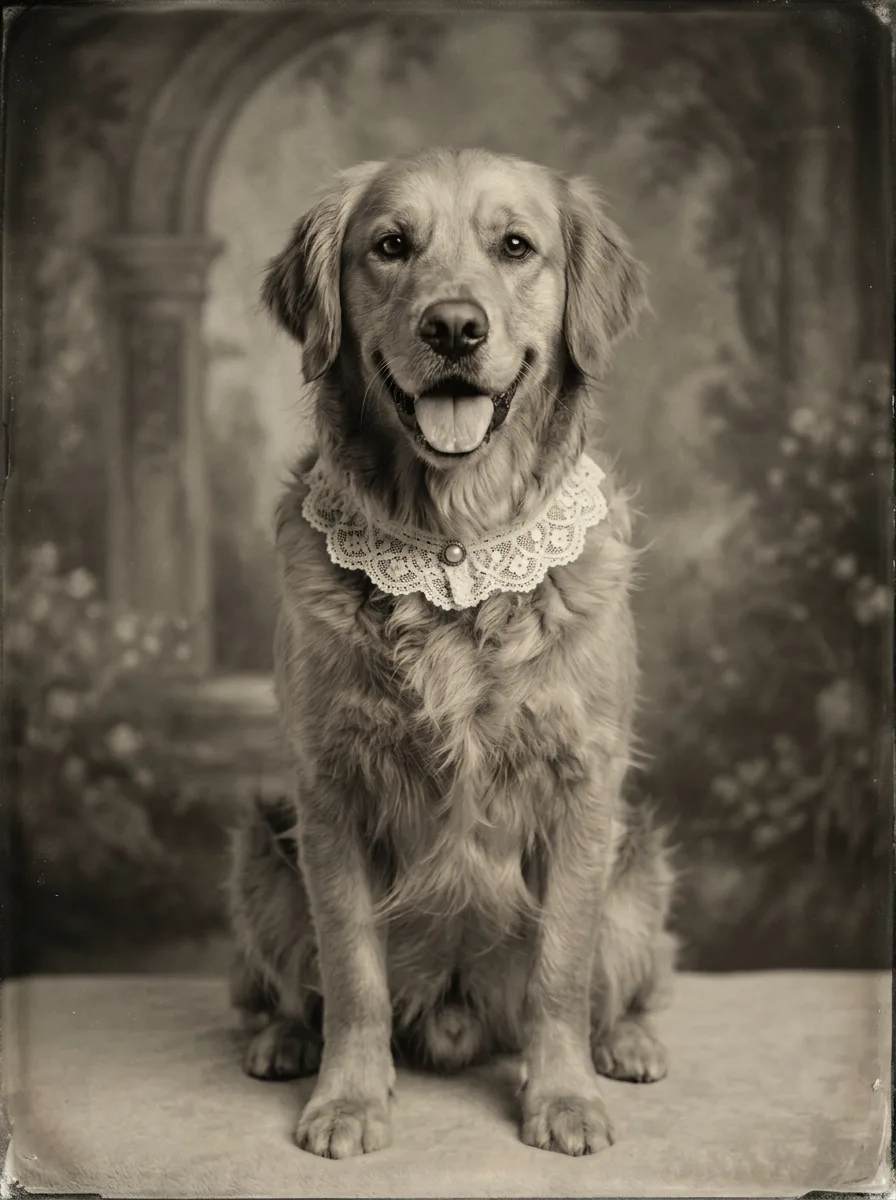
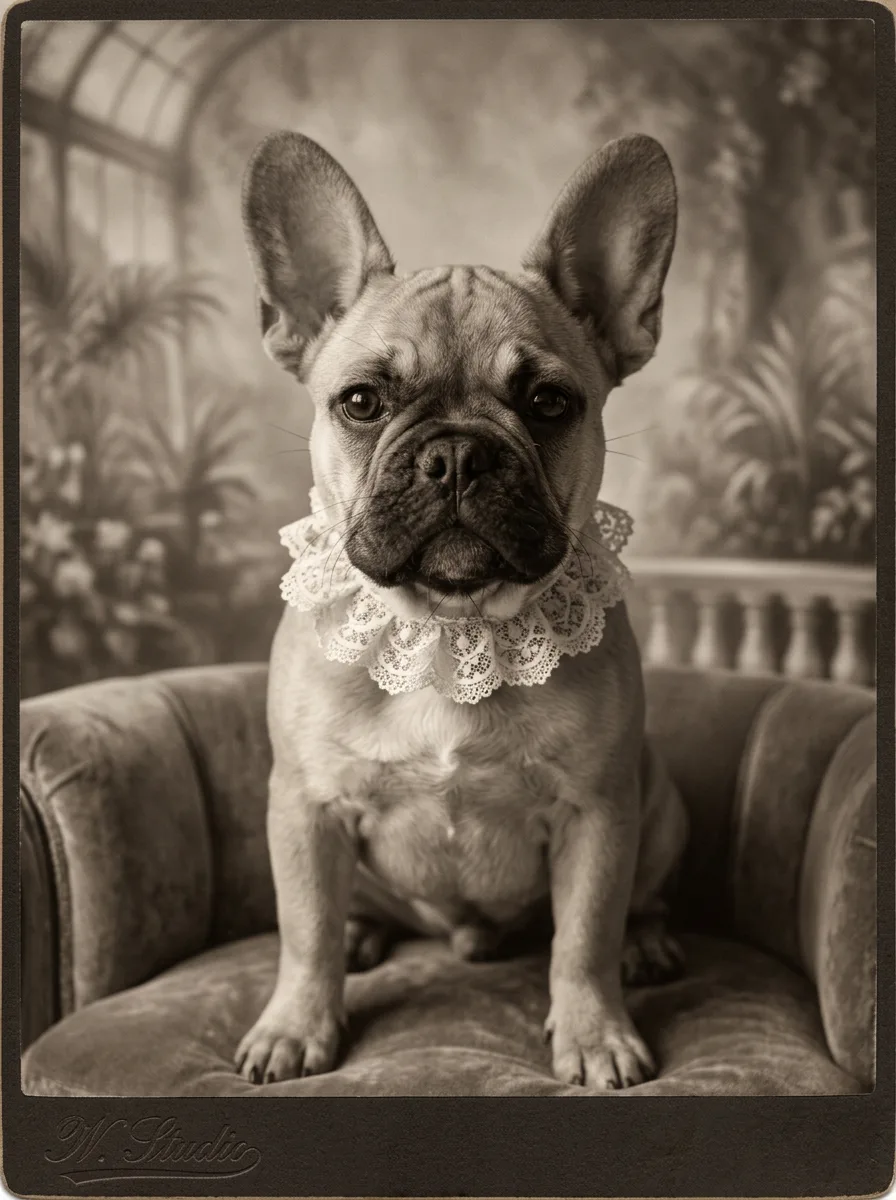
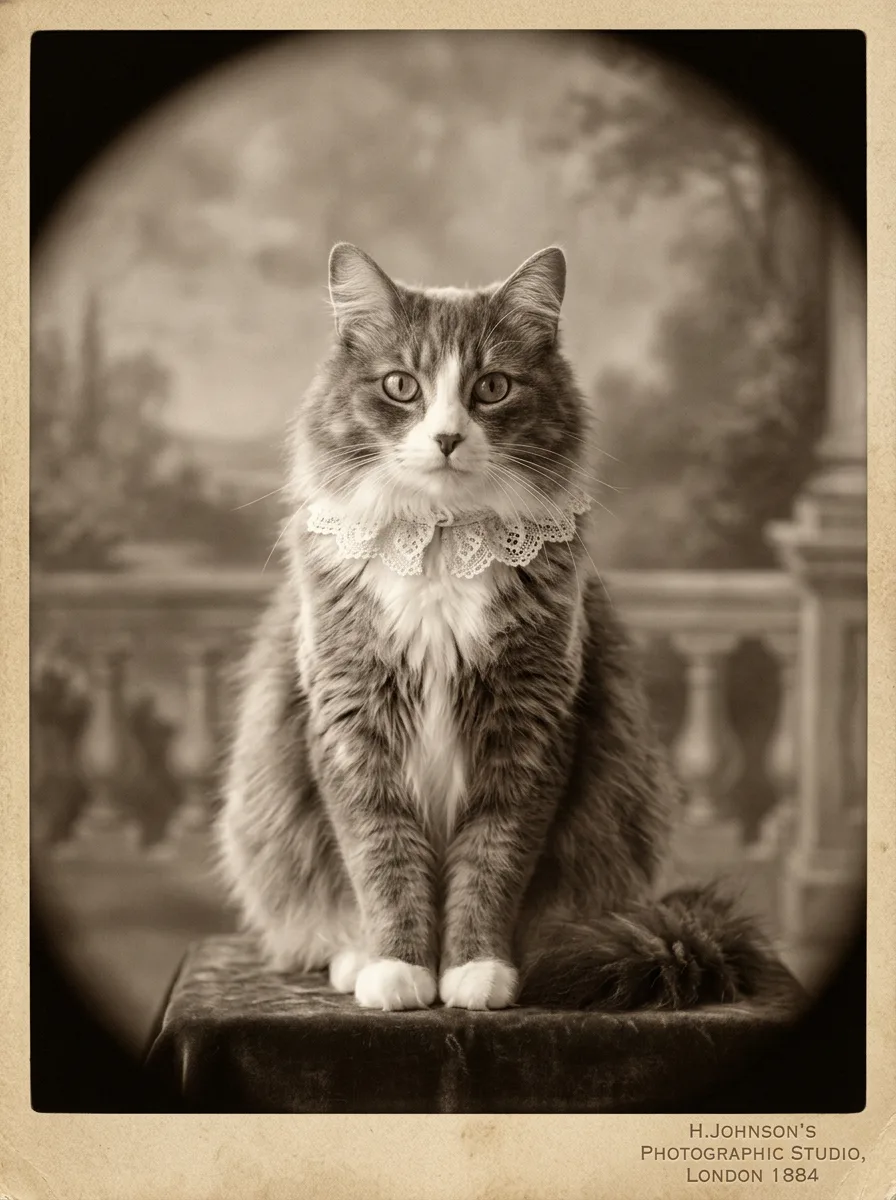
A sepia studio photograph from the 1880s, not a painting. Which is what makes this one land differently from the rest.
Every other style on this site turns your pet into a painting. This one turns them into a photograph, and that single difference changes how the result feels. A painted portrait is obviously an interpretation. A photograph claims to be a record, so a sepia cabinet card of your cat in a lace collar reads as evidence that this animal genuinely lived in 1885 and sat for a portraitist, which is a much stranger and funnier idea.
It is also historically real rather than invented. Victorian studios did photograph pets, and the surviving cartes de visite look very much like this: a painted canvas backdrop, a velvet cushion, a heavy vignette, and the animal placed dead centre and staring slightly past the lens. The stiffness was not a style choice, it was exposure time, and the style inherits that stillness.
The palette is the trade-off. Sepia throws away colour entirely, so a portrait of a ginger cat and a portrait of a grey one differ only in tone. If your pet's colouring is the thing you love most, this is the wrong choice and oil is the right one. What sepia gives back is texture: fur, whiskers and the weave of the backdrop all come through more clearly than they do in a colour image.
Because it is a photograph, this style is the least forgiving of a bad source. A soft or low-resolution original that a watercolour would happily blur becomes visibly poor here, since the whole effect depends on looking like a real photographic exposure. Use your sharpest picture for this one.
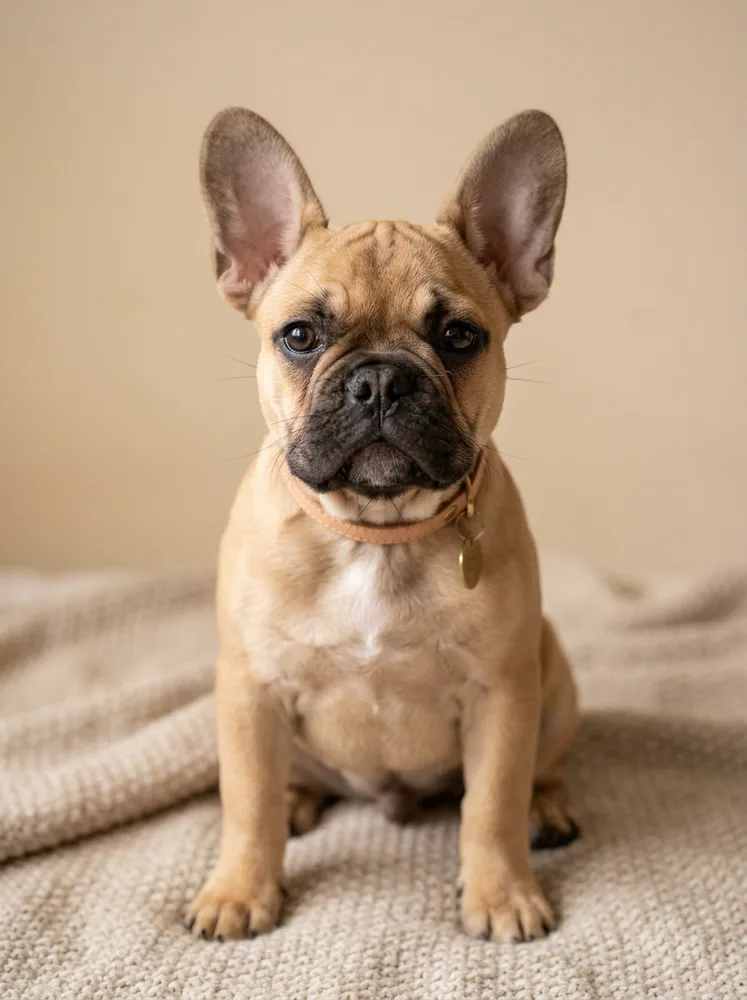
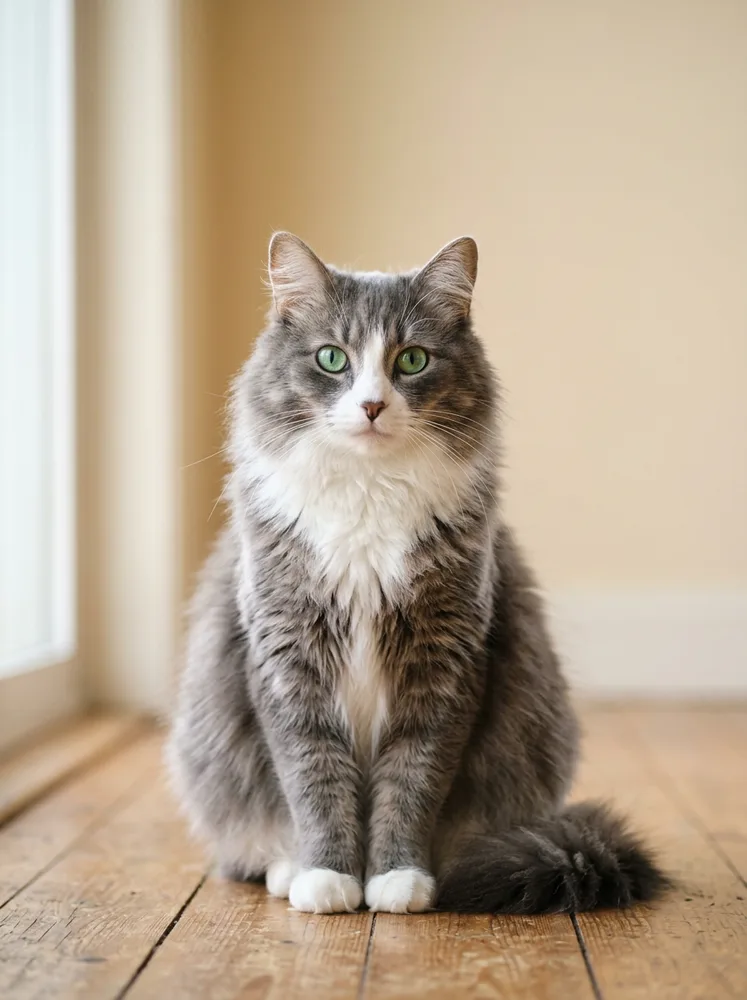
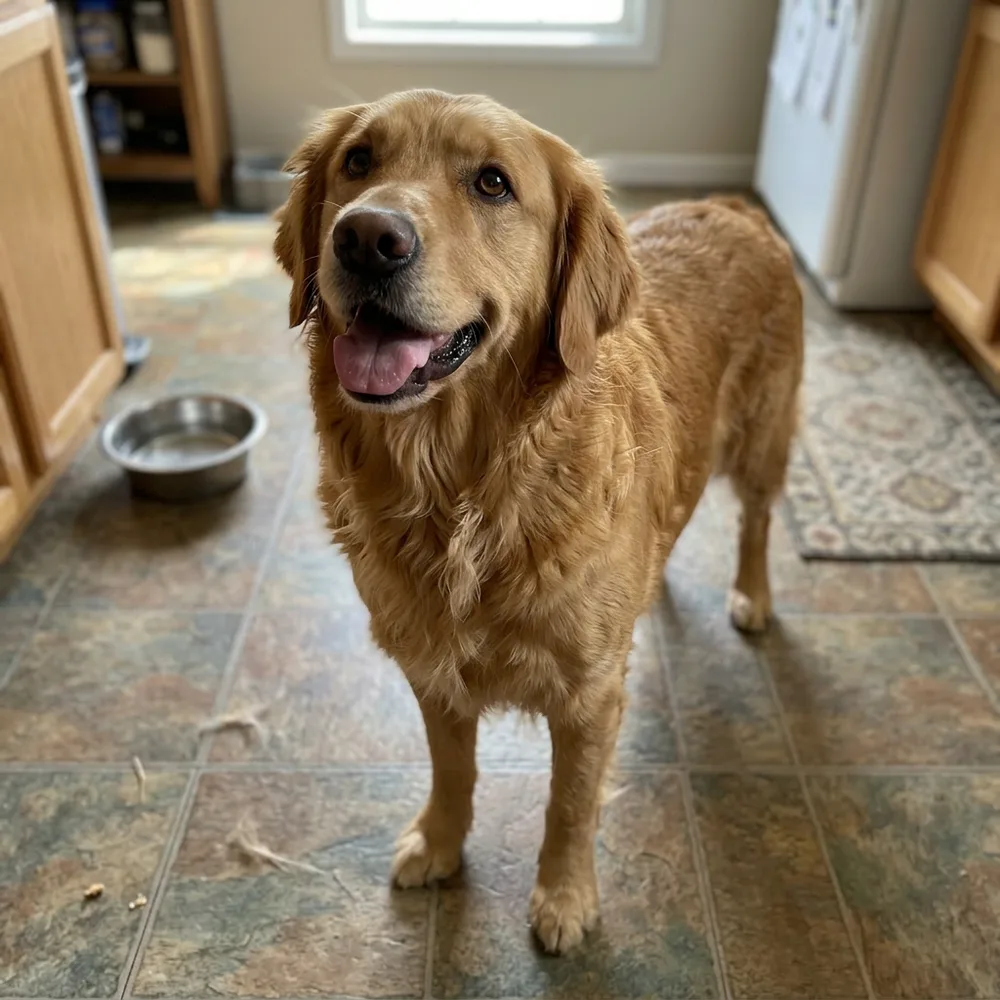
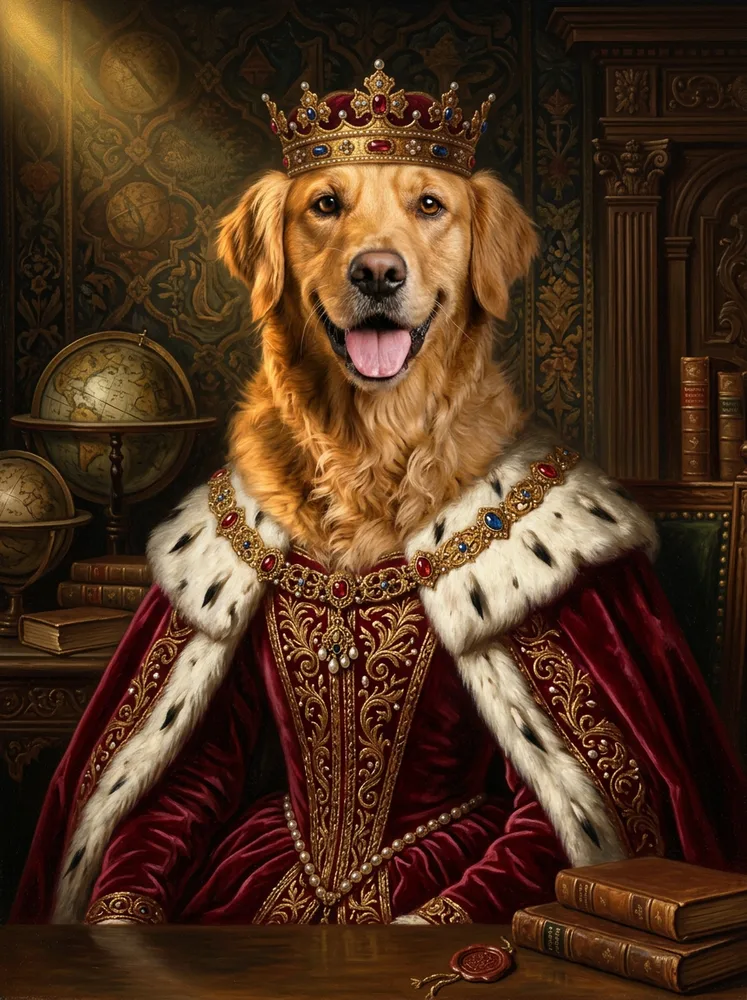
The photo they sent, and what came back
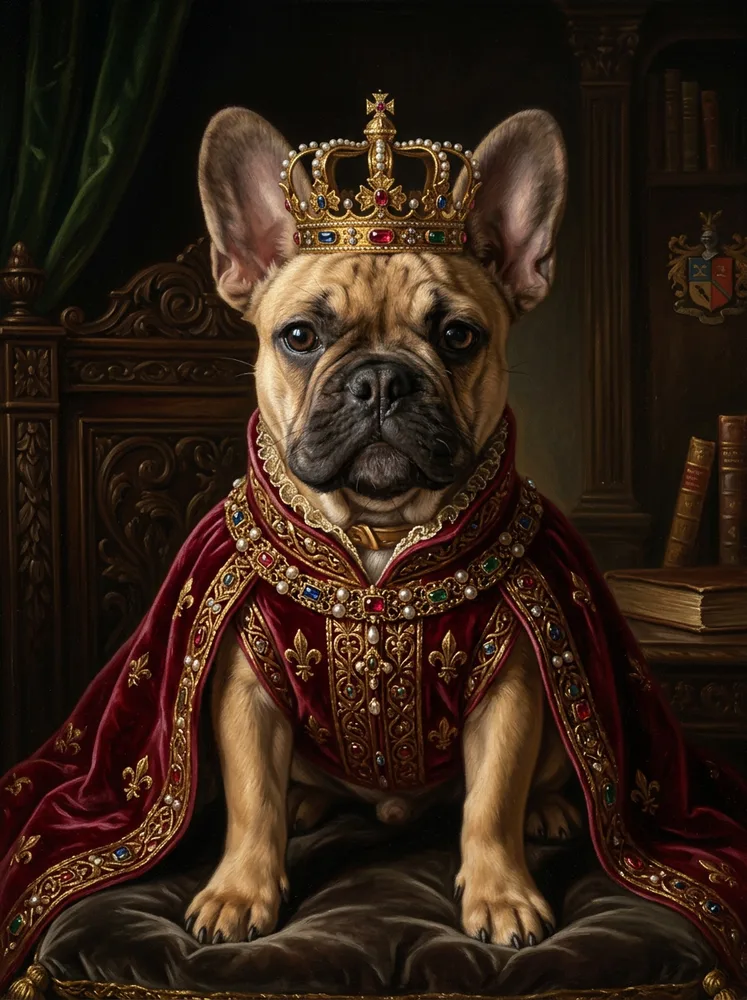
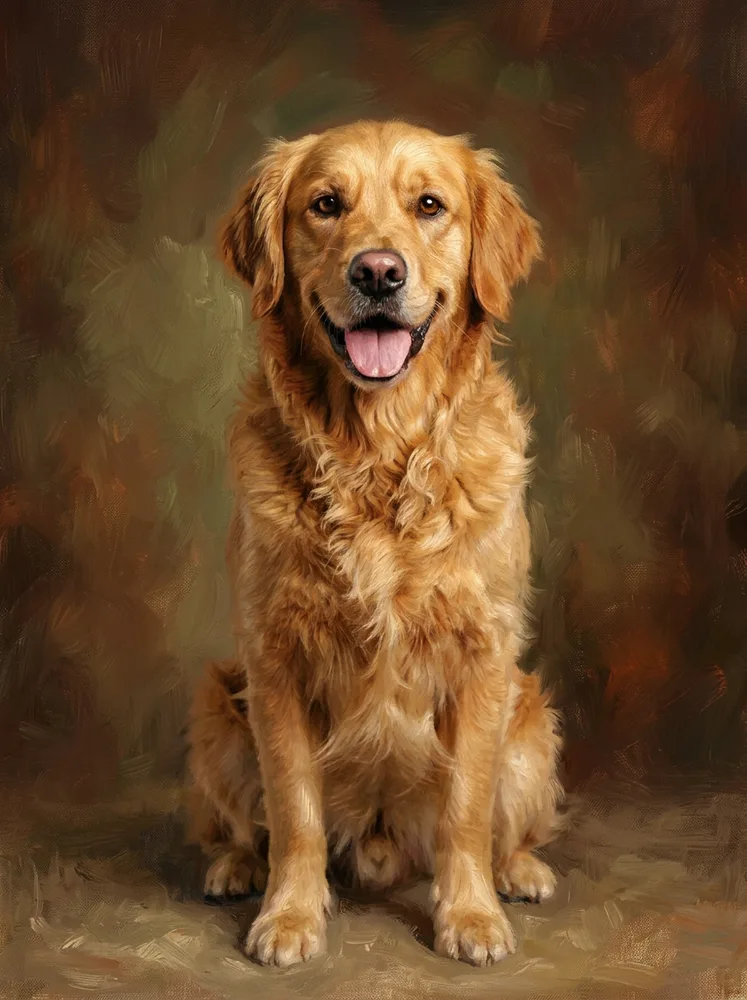
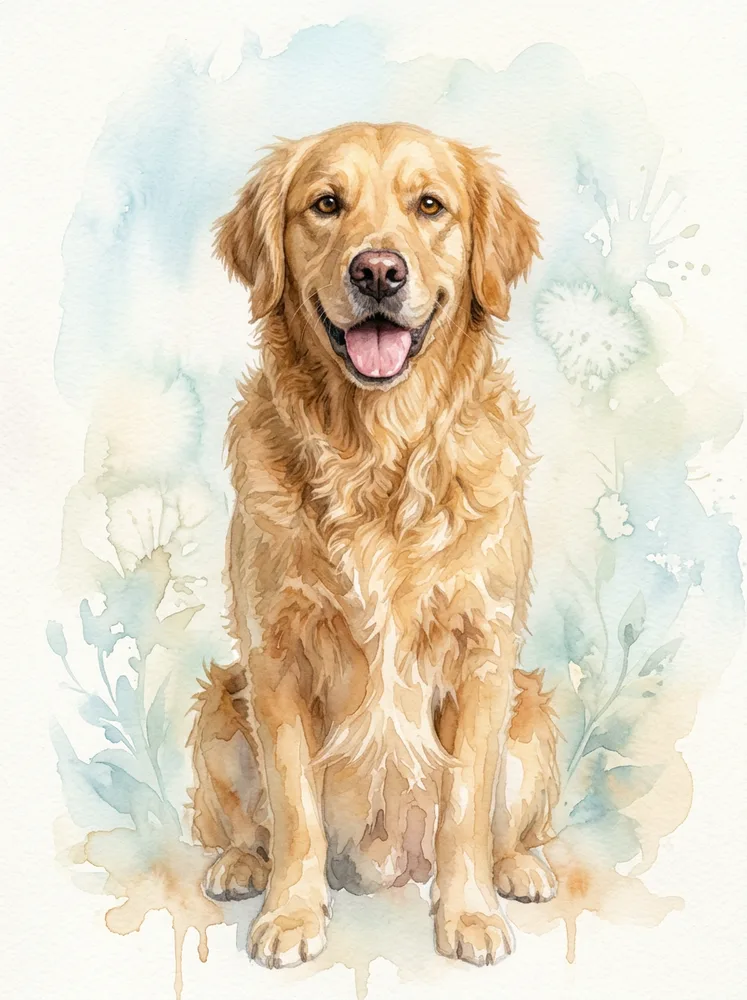
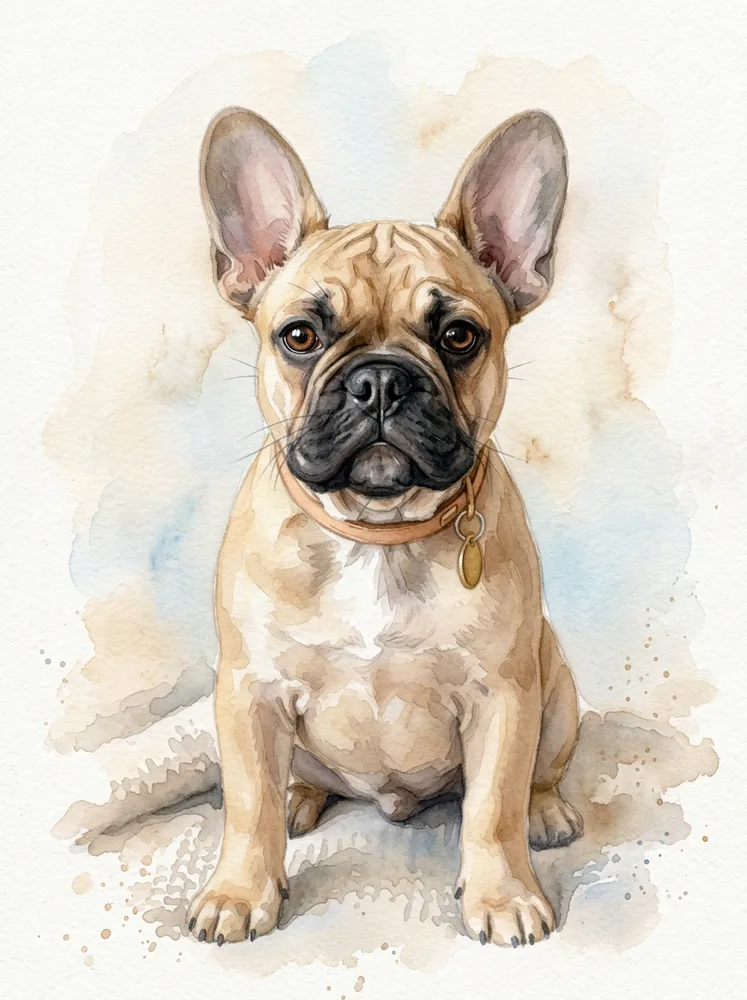
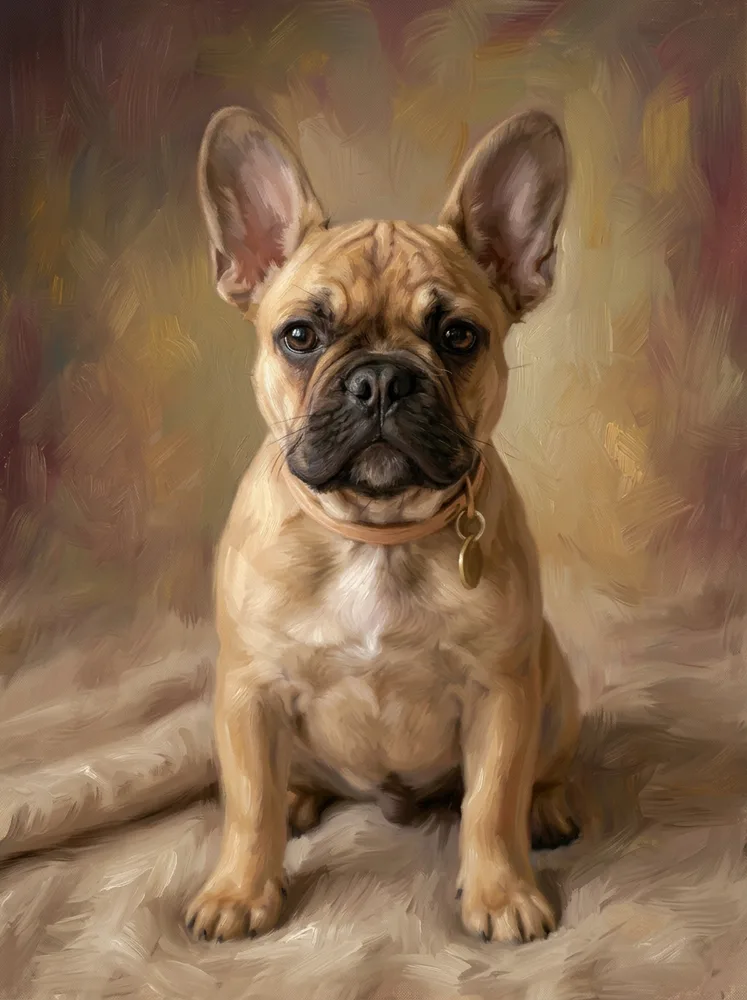
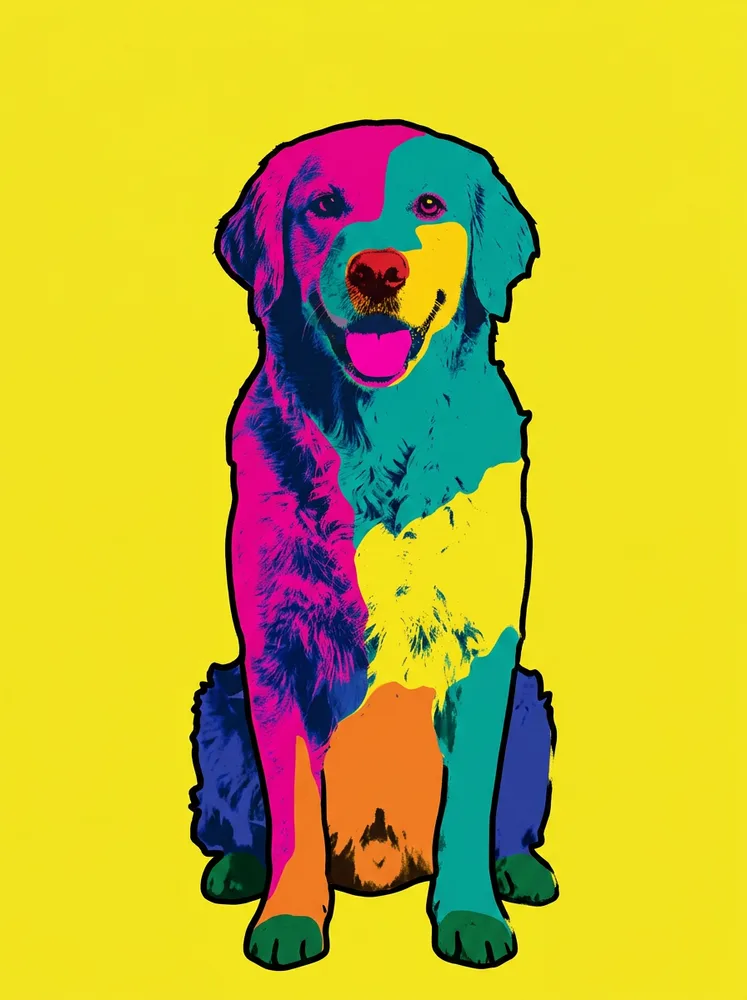
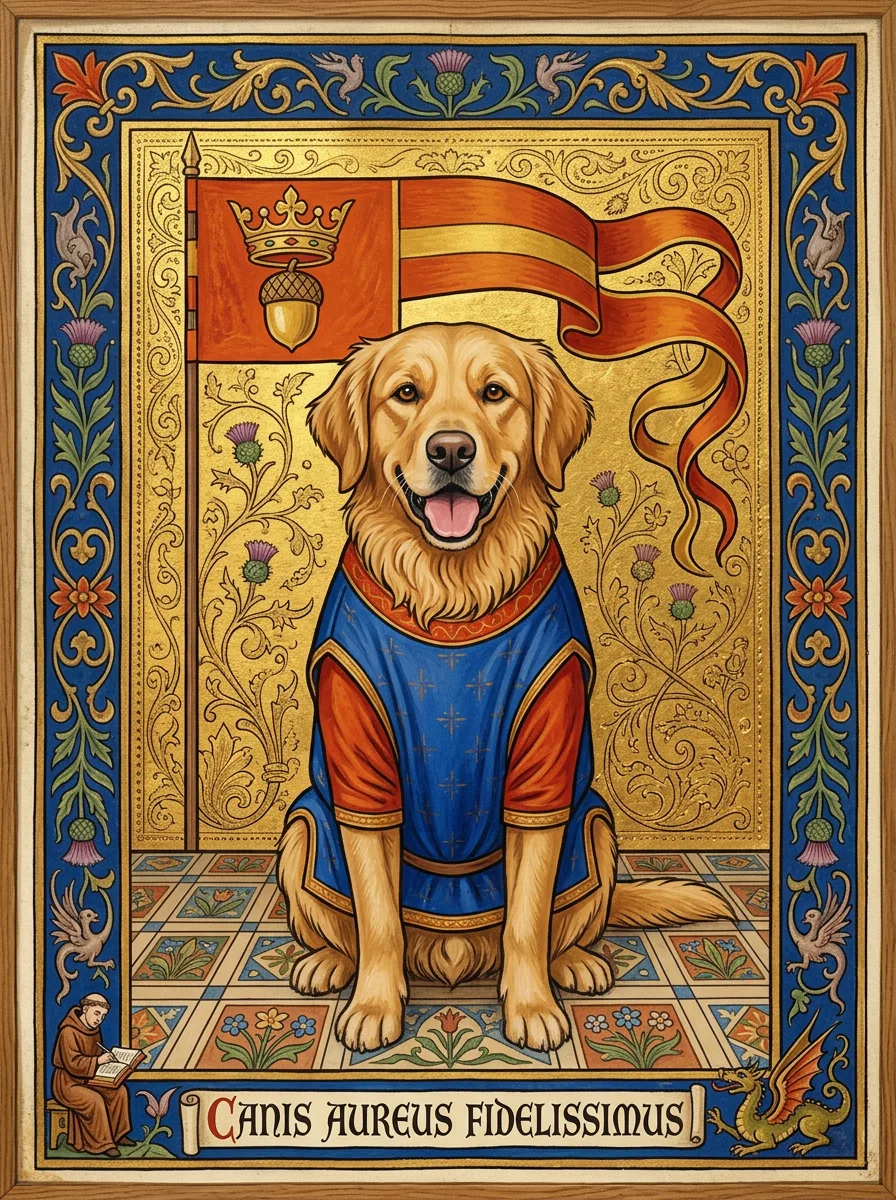
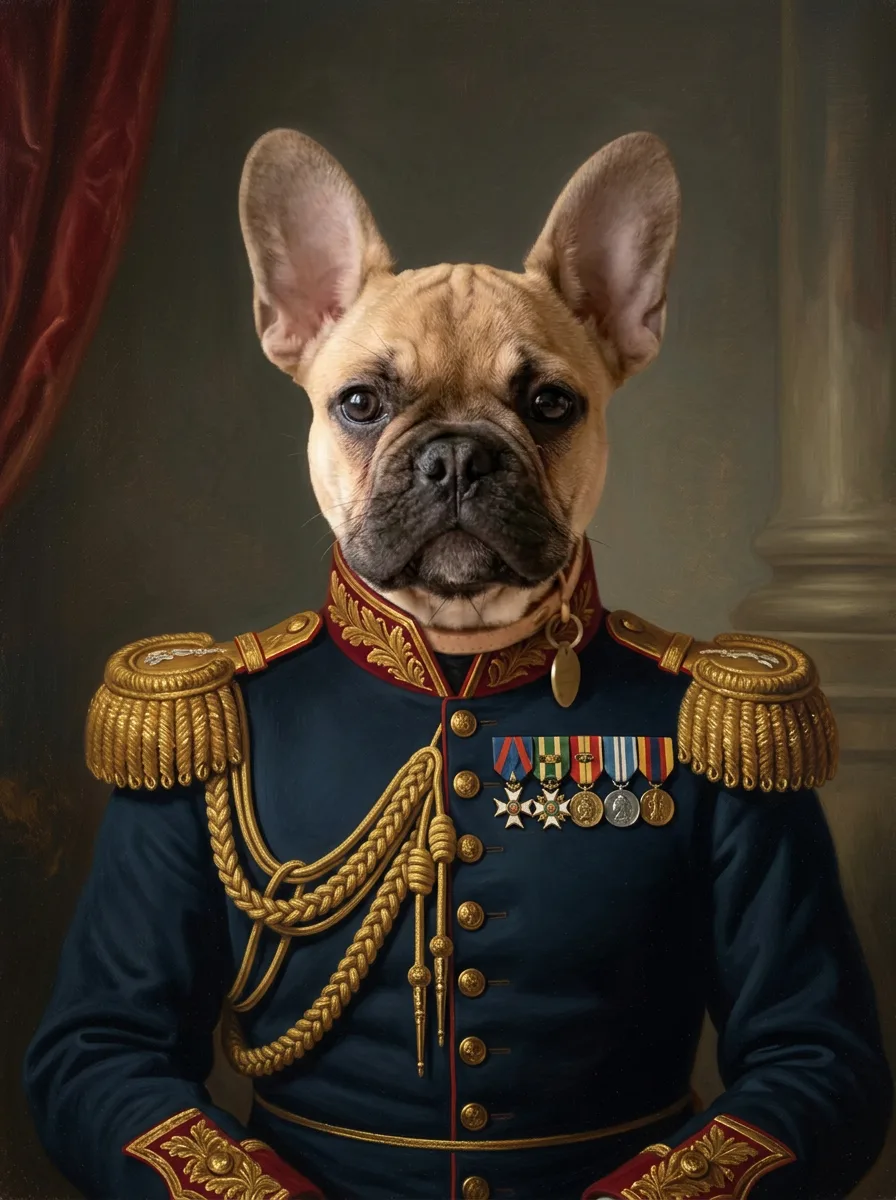
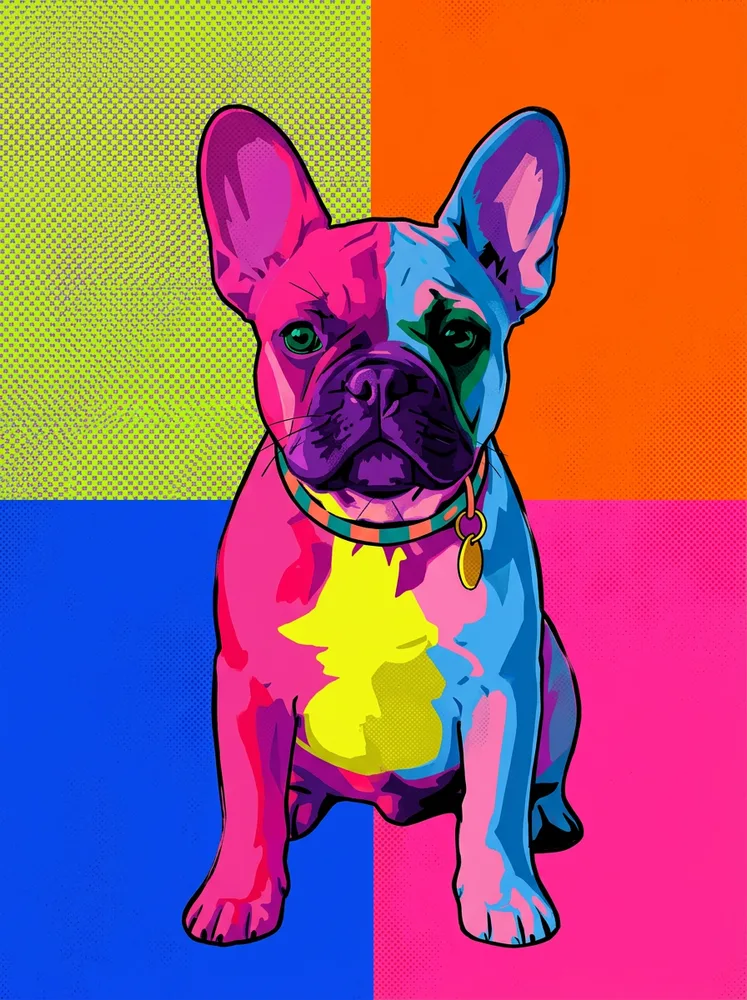
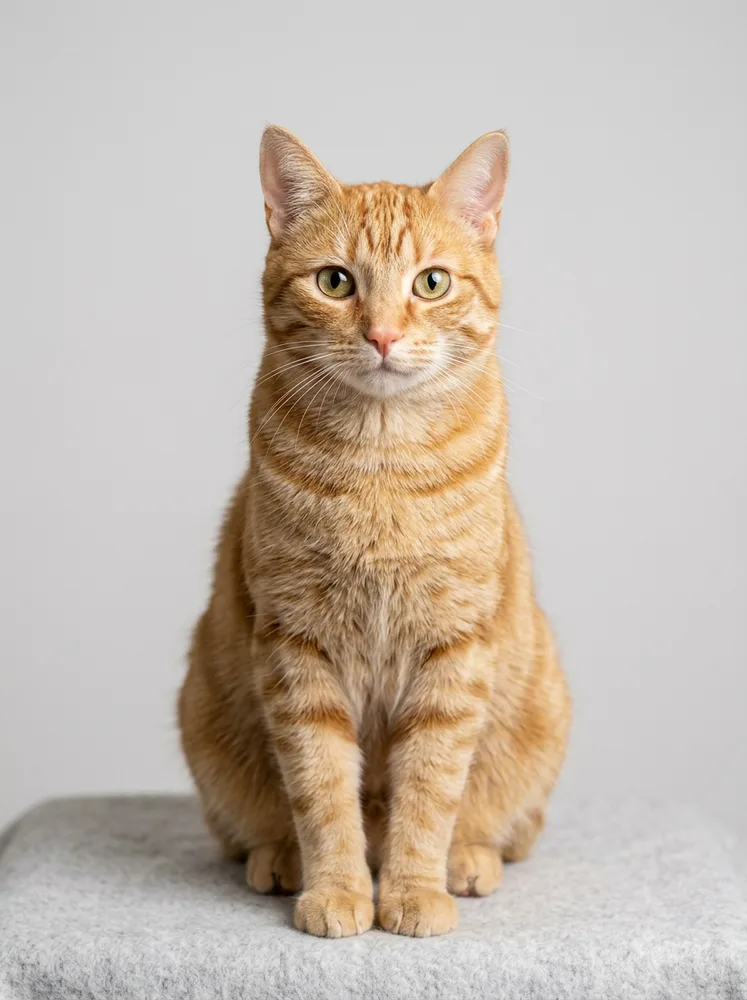
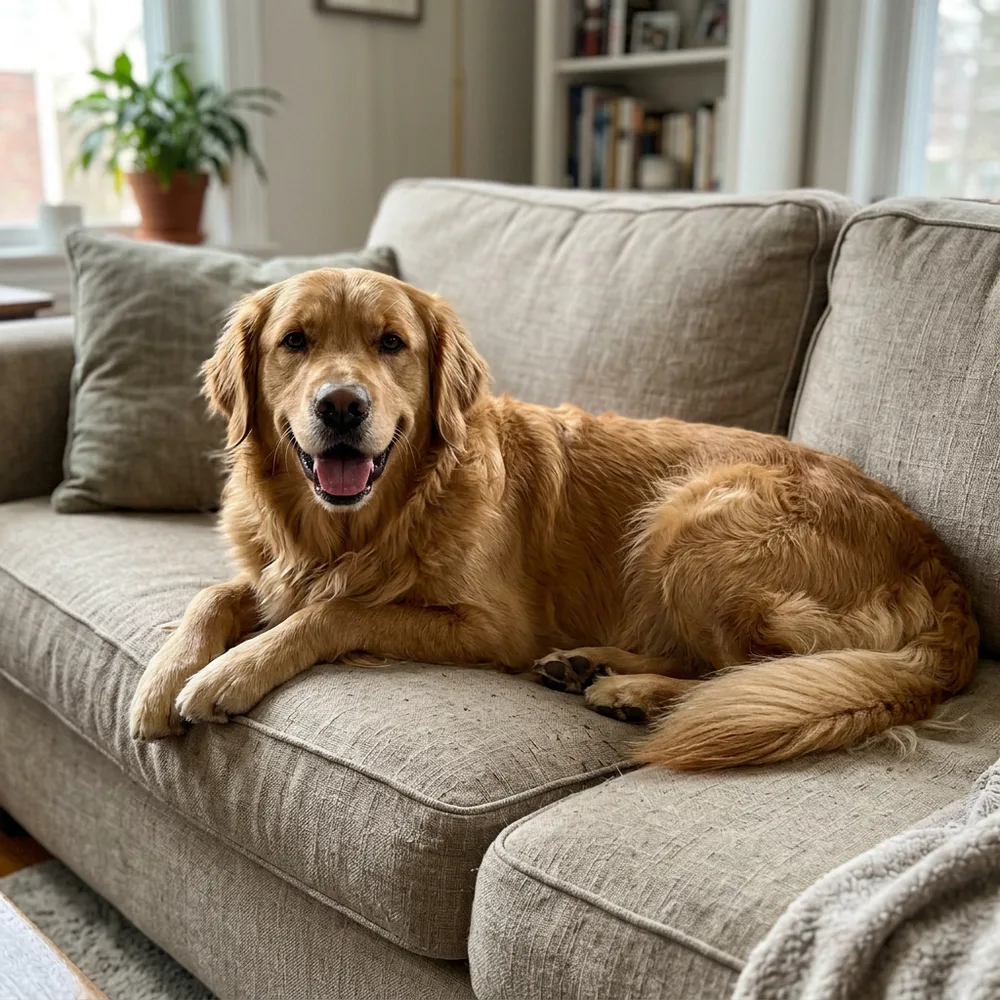
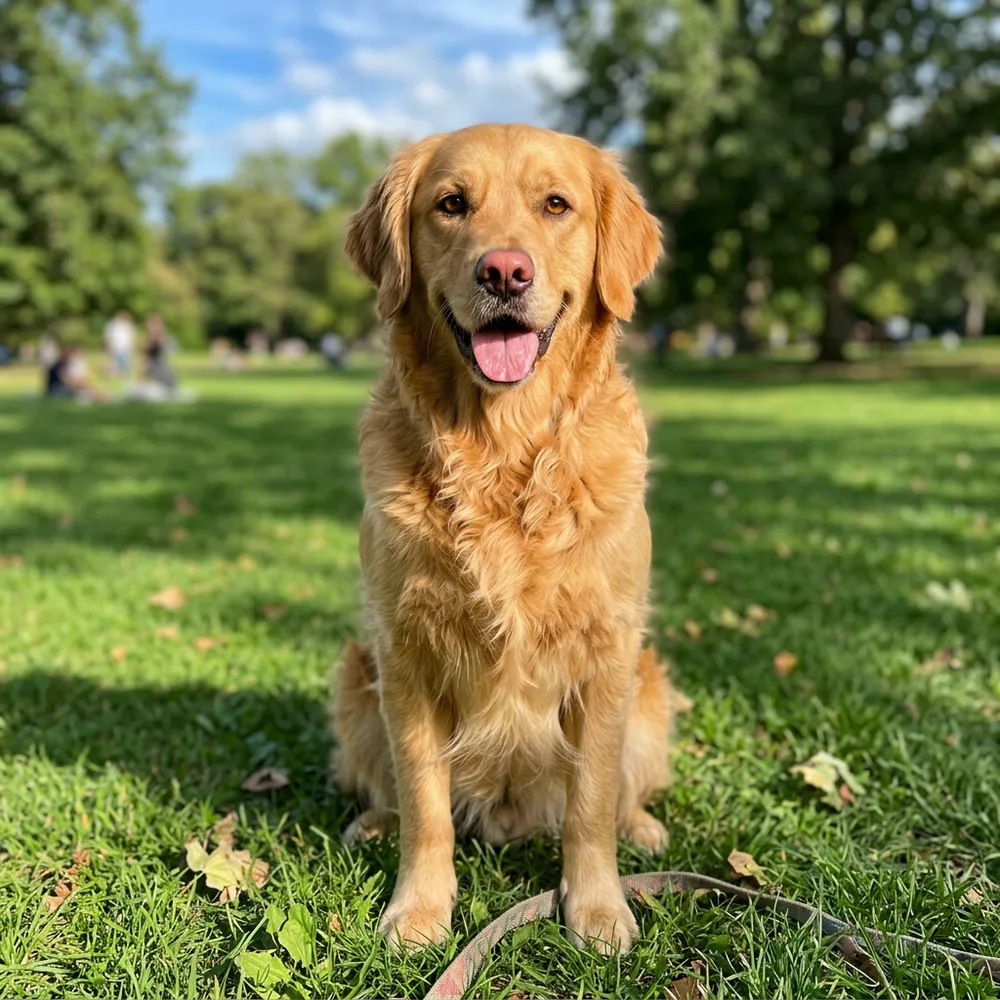
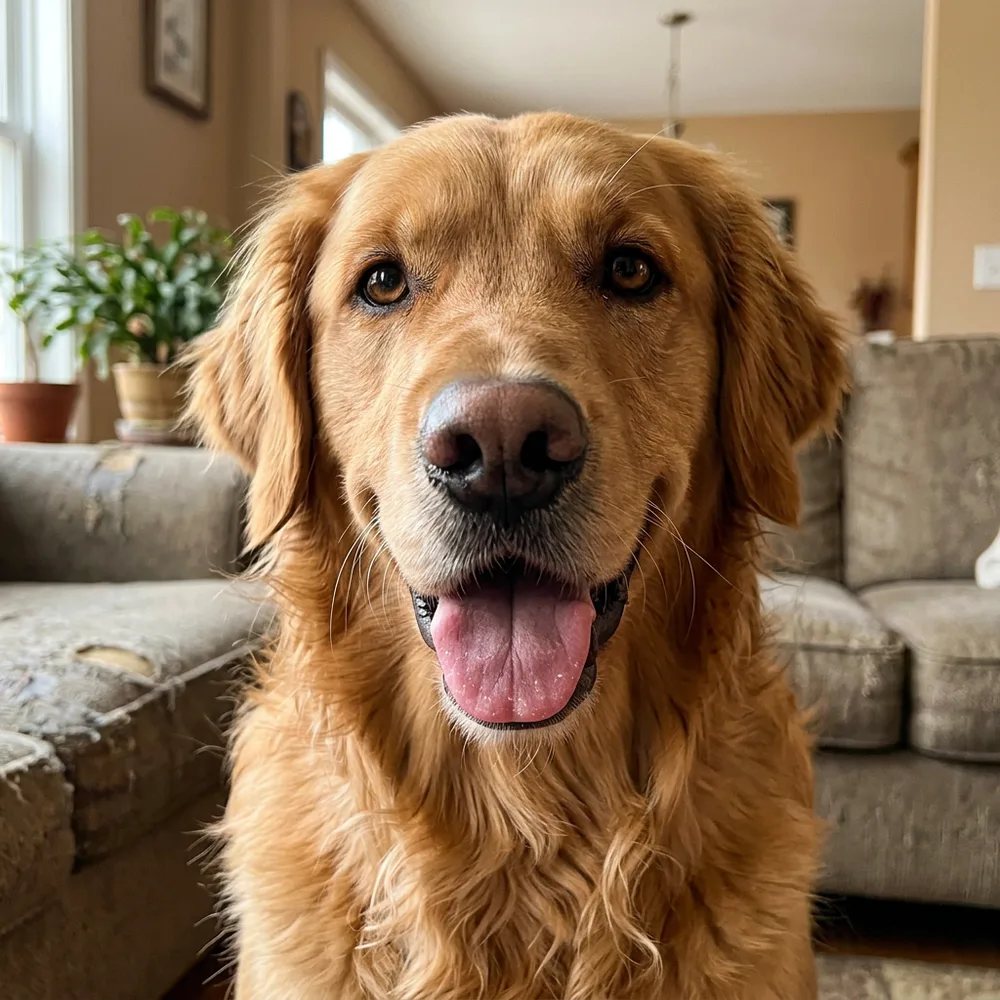
Every portrait below started as an ordinary phone photo. Nothing was staged, nothing was retouched first. Same animal, same pose, same collar — that is the whole point of it.
The same style on other pets
Generate your pet photos with AI
Train your AI model once, then generate a full set from your own selfies in minutes.
Start your Pets shootMore Pets photos