

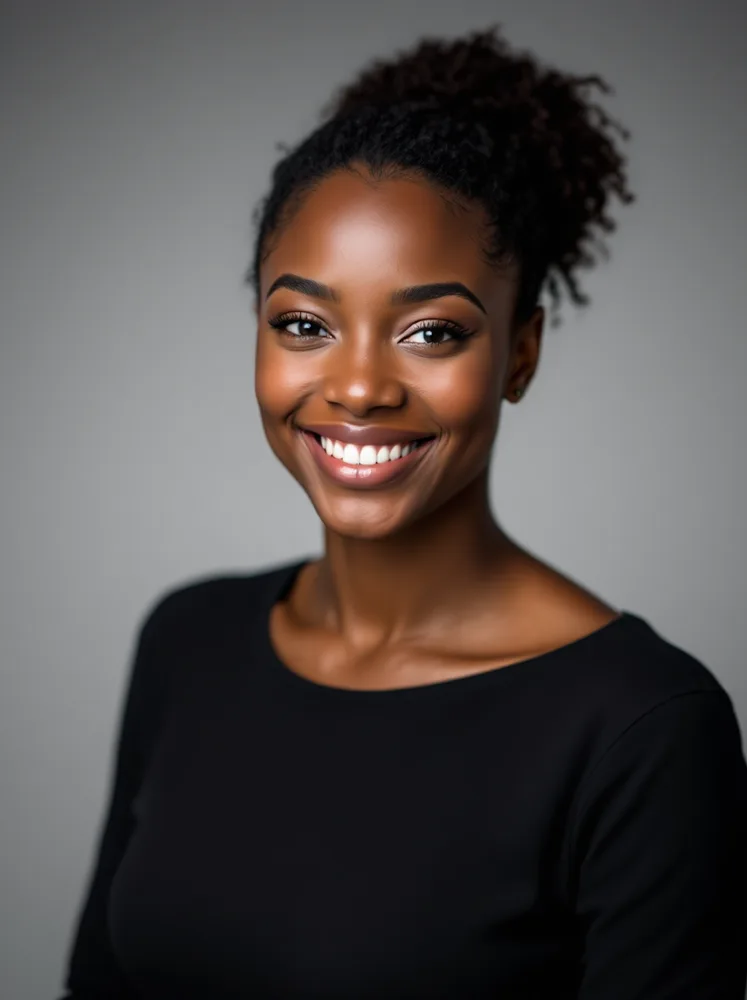

The resume photo, including whether to use one at all
The honest first question about a resume photo is whether your resume should have one. Often the answer is no. When it is yes, the photo has rules, and this page covers both halves: the decision, then the picture.
By signing up you agree to our terms and privacy. Your photos stay private.
First decide if the photo belongs there
For applications inside the US, Canada and the UK, the default is no photo. Recruiters at larger companies routinely set aside resumes with photos to keep bias claims impossible, and applicant tracking systems sometimes mangle the layout around an embedded image. Adding a photo there is risk with no payoff.
The photo earns its place in specific situations: international applications into countries where it is conventional, hospitality and client-facing roles where employers expect it, acting and modeling where it is the product, and the broad case where your resume travels with a personal brand, a portfolio site or a speaking profile whose photo should match.
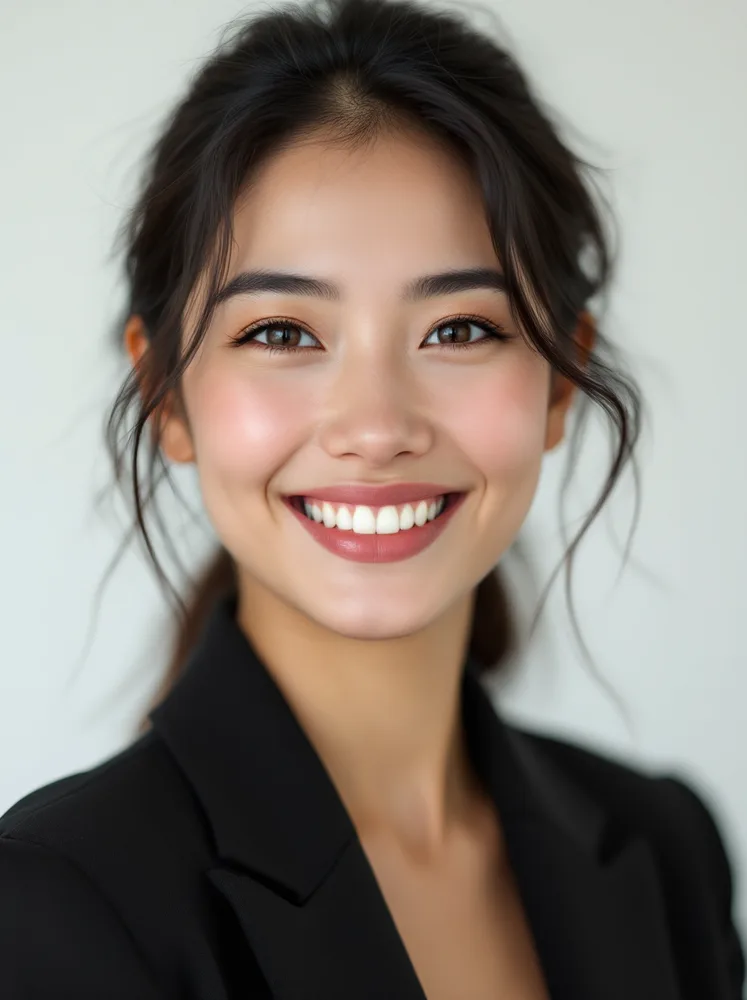
When it belongs, the resume register is a step less formal than the CV convention: smart casual to business, neutral background, an expression with actual warmth in it. The examples below run that range, from suit-for-finance to the loft-light creative version.


How do I get a great resume photo?
Default to no photo in the US, UK and Canada
If a recruiter might see bias exposure in your photo, its presence costs you reads. Put the photo on LinkedIn, where they will look for it anyway, and keep the resume text-only.
If it goes on, it goes small and top
A photo on a resume is a passport-sized element beside the header, not a banner. It should occupy less visual weight than your name.
Warmer than a CV, cleaner than social
The resume photo can smile. It cannot have a festival, a pet or a cropped-out arm in it. Neutral background, real warmth, done.
Match the industry register
Finance and law applications get the suit version. Startups and creative roles get the open collar or the loft-light version. The set below has both so you are not reusing one photo against its register.
Sync it with LinkedIn
The recruiter will open your profile within a minute of liking your resume. Same photo, or visibly same person same era, keeps that moment from raising questions.
What does a great resume photo look like?
Every example below was generated with renza. One trained model produced all of them; each caption says which part of the job that setting is for.





How it works
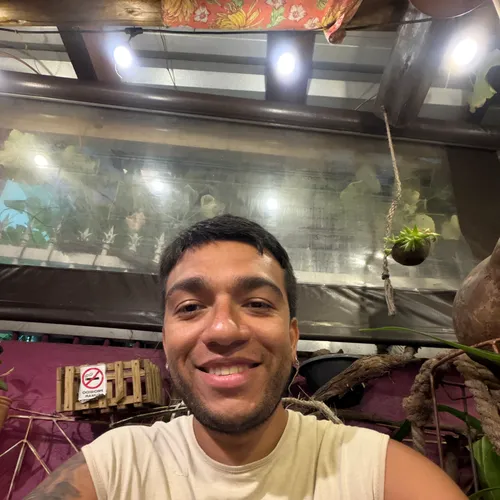
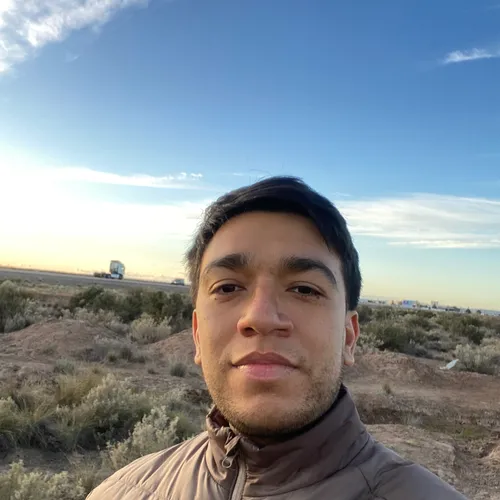
Upload 5 to 15 selfies. We train a personal AI on your face in about 5 minutes. One click runs the professional pack.


Pick your plan
Monthly subscription. Train a personal AI model and run the professional pack as often as you like. Cancel any time.
Basic
- · 1 personal AI model
- · 200 generations per month
- · All image + video models
- · Commercial use included
Popular
- · 3 personal AI models
- · 1,000 generations per month
- · Priority queue
- · Photo packs (30 imgs at once)
- · Commercial use included
Pro
- · 6 personal AI models
- · 5,000 generations per month
- · Highest priority queue
- · Photo packs + bulk export
- · Early access to new models
- · Commercial use included
Frequently asked questions
Should a resume have a photo?
In the US, UK and Canada: generally no; bias-avoidance policy makes photos a liability. Elsewhere, and in hospitality, acting or personal-brand contexts: often yes. This is a where-and-what question, not a style one.
Why do US recruiters dislike resume photos?
Anti-discrimination exposure. A hiring decision made after seeing a photo is harder to defend, so many companies filter photo resumes out before a human weighs in. The photo does not get judged; it gets the resume set aside.
What is the difference between a resume photo and a CV photo?
Register and geography. The CV photo follows a formal continental convention (see the CV photo page). The resume photo, where used, is a notch more relaxed: smart casual works, warmth is welcome, and the strictest German-style rules do not apply.
What should a resume photo look like?
Head and shoulders, neutral or lightly blurred background, industry-register clothing and a genuine expression, sized small next to your header. Nothing in it should be more interesting than your face.
Can I generate different versions per application?
Yes, and you should: the suit version for the bank, the relaxed version for the startup, from the same trained model. Swapping the photo per application costs seconds.
What does it cost?
From 9.99 dollars per month with a trained model included. You get the full range of registers for less than a single passport-photo session at a studio.