Pop Art Character Generator
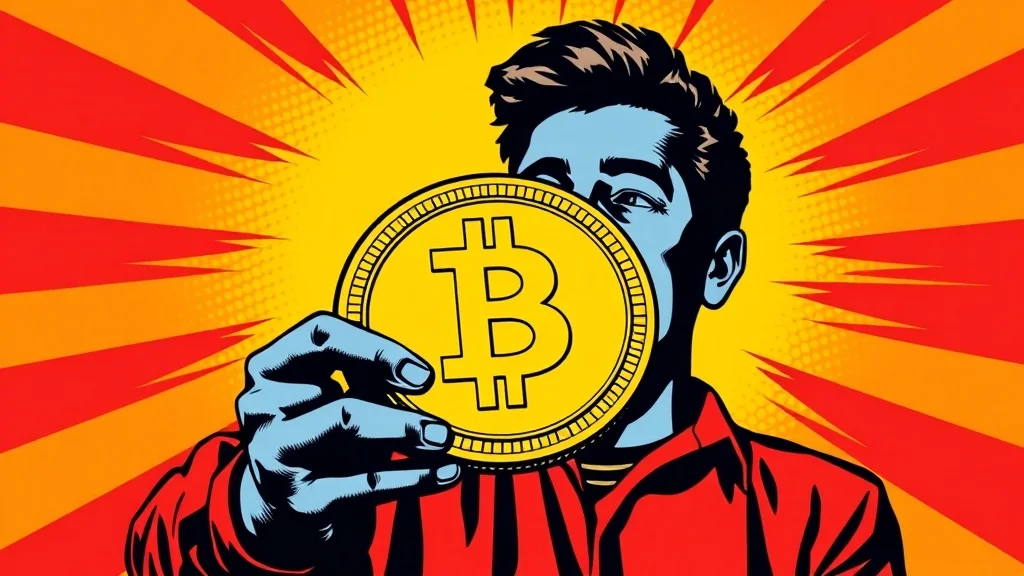
Want a character that genuinely reads as pop art? Pop art is loud and graphic, with Ben-Day dots, thick comic outlines, and bold primaries straight off a 1960s print poster. renza applies that look from the first pixel, so you get ben-Day halftone dots and thick comic outlines, not a plain character with a filter dropped on top.
A memorable character has a clear silhouette, readable costume details, and a pose that hints at personality. Bold primaries, red, yellow, and blue, at full saturation. The look traces back to 1960s pop art, Lichtenstein and Warhol, and renza bakes it into a prompt tuned for pop art characters before sending it to a high-fidelity image model. You get a result in a few seconds that you can refine or download, and every image is yours to keep. Generate the same character across a few prompts to lock in a consistent reference before you build a story or game around them.
- 3 free credits to start
- No credit card
- Commercial use, you own it
- No watermark
- Results in seconds
What defines the pop art style
Pop art is loud and graphic, with Ben-Day dots, thick comic outlines, and bold primaries straight off a 1960s print poster.
Bold primaries, red, yellow, and blue, at full saturation. The look traces back to 1960s pop art, Lichtenstein and Warhol, and on a character it gives you a result that feels deliberate rather than generic.
Pro tip · Ask for halftone dots and heavy outlines to get the printed-comic look rather than a flat illustration.
- Ben-Day halftone dots
- Thick comic outlines
- Bold primary colors
- Retro print-poster feel
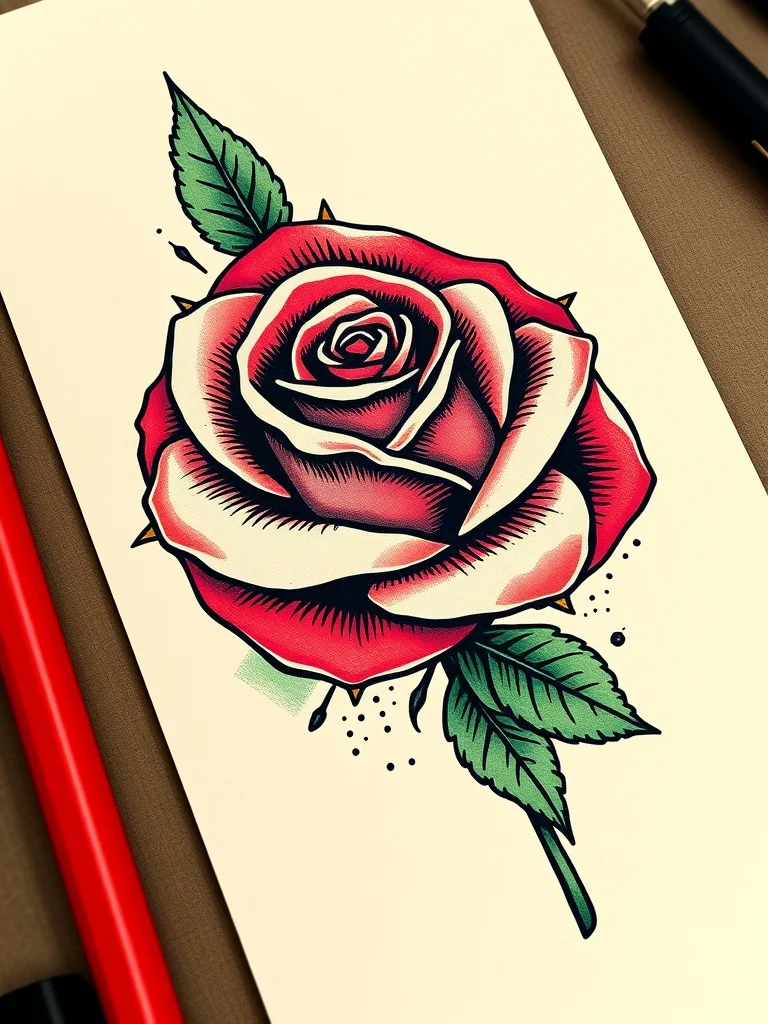
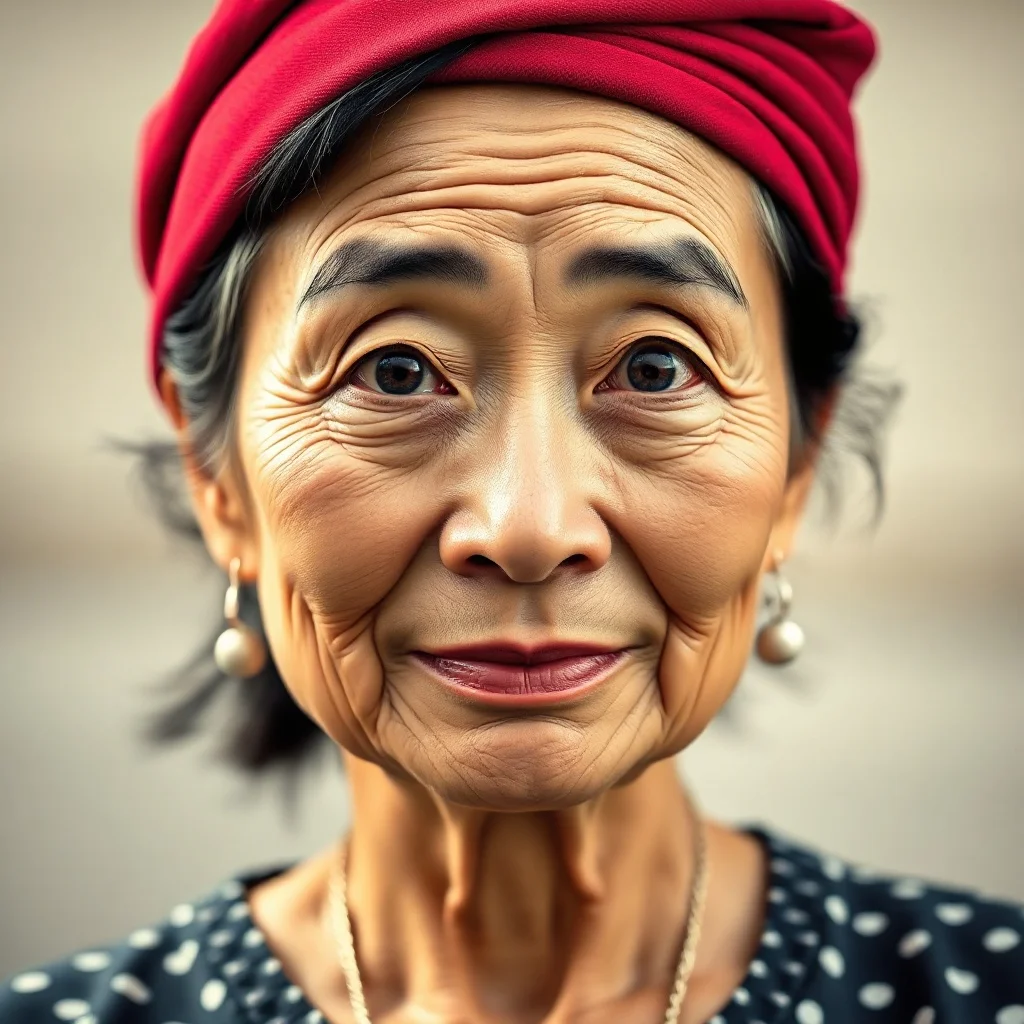
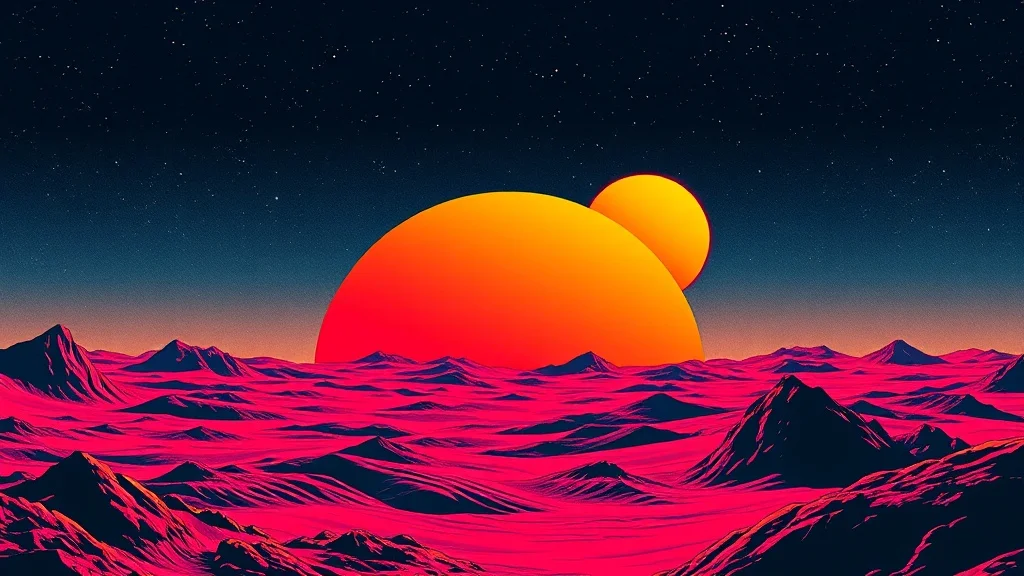
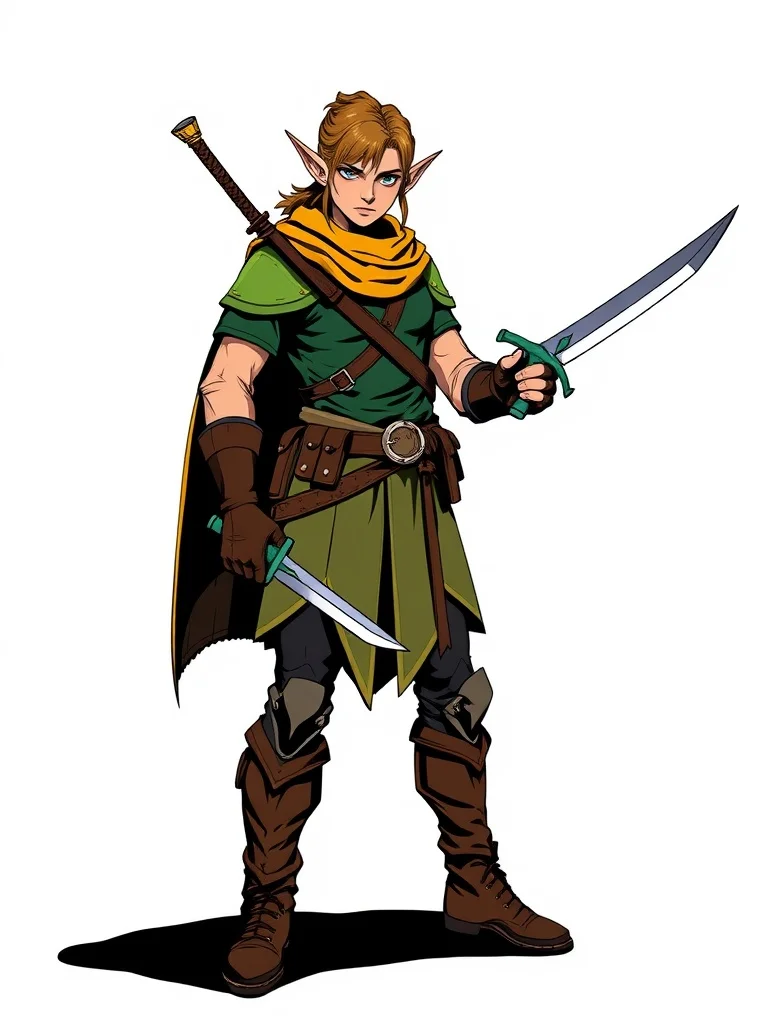
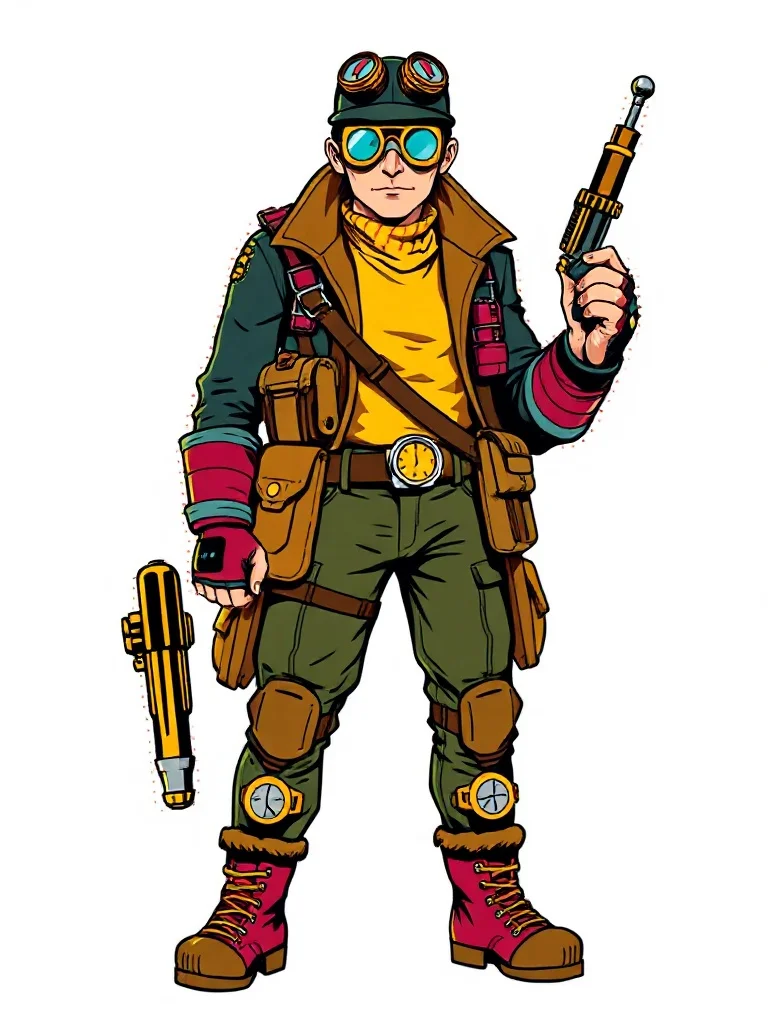
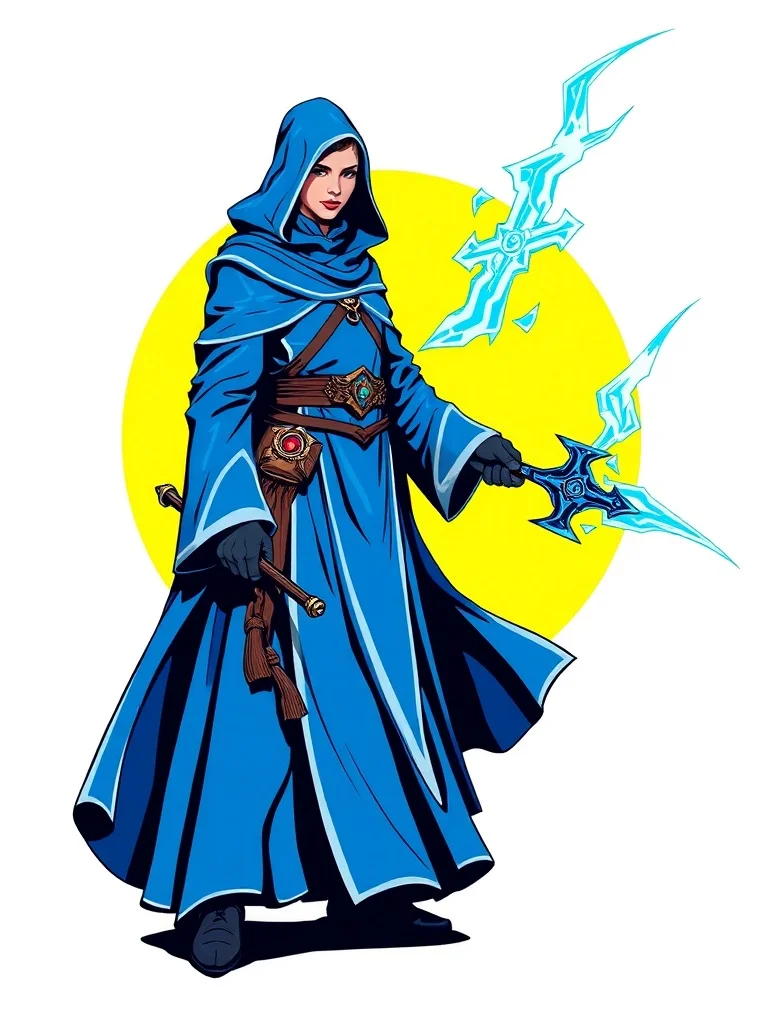
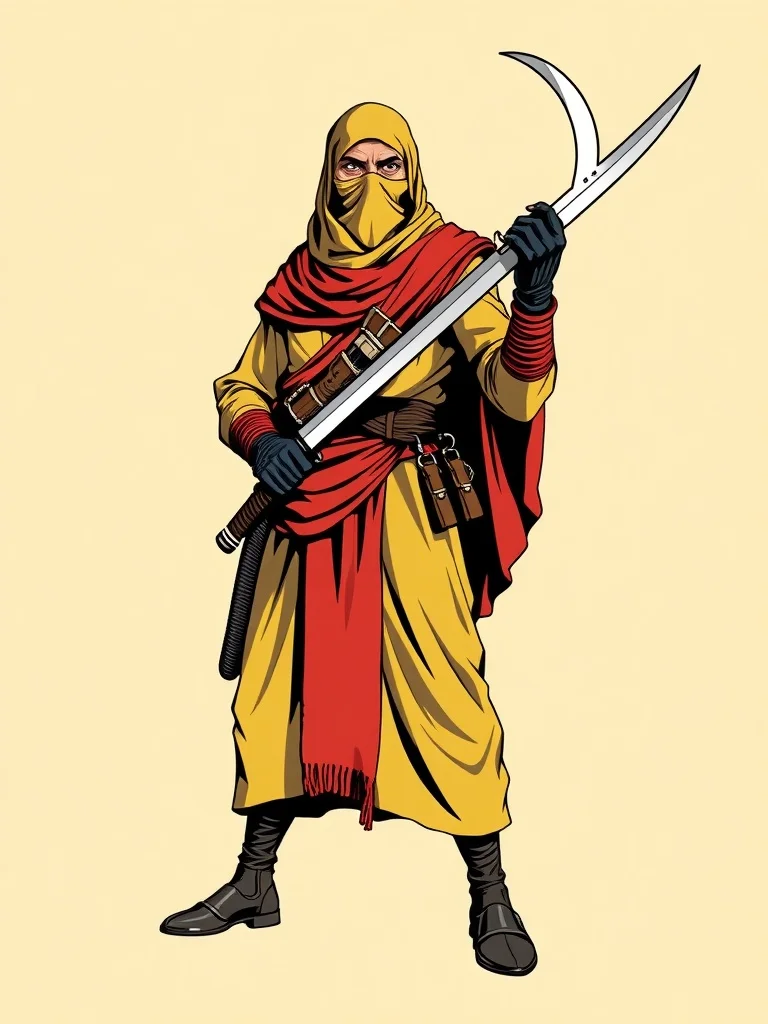
Pop Art character examples
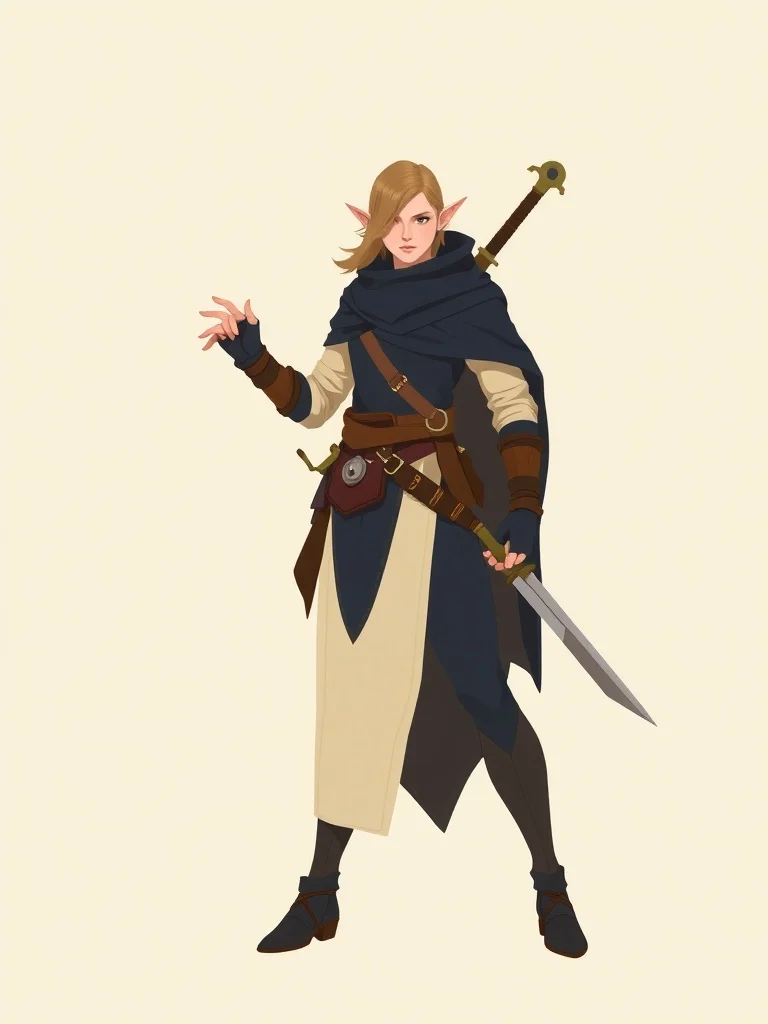
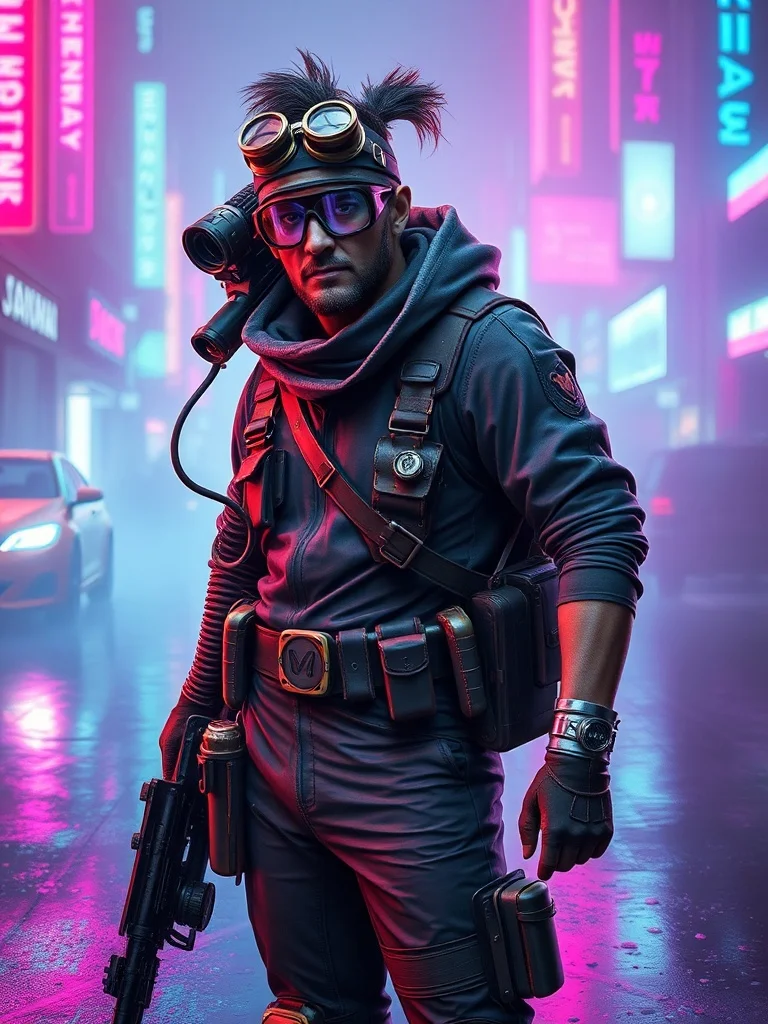
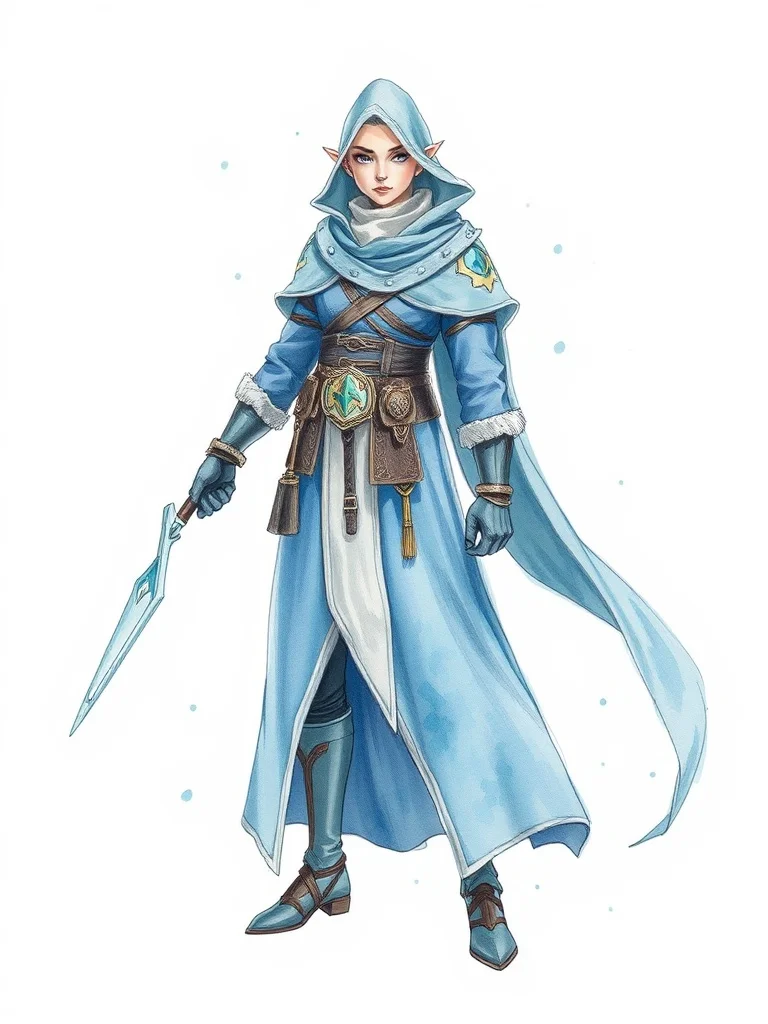
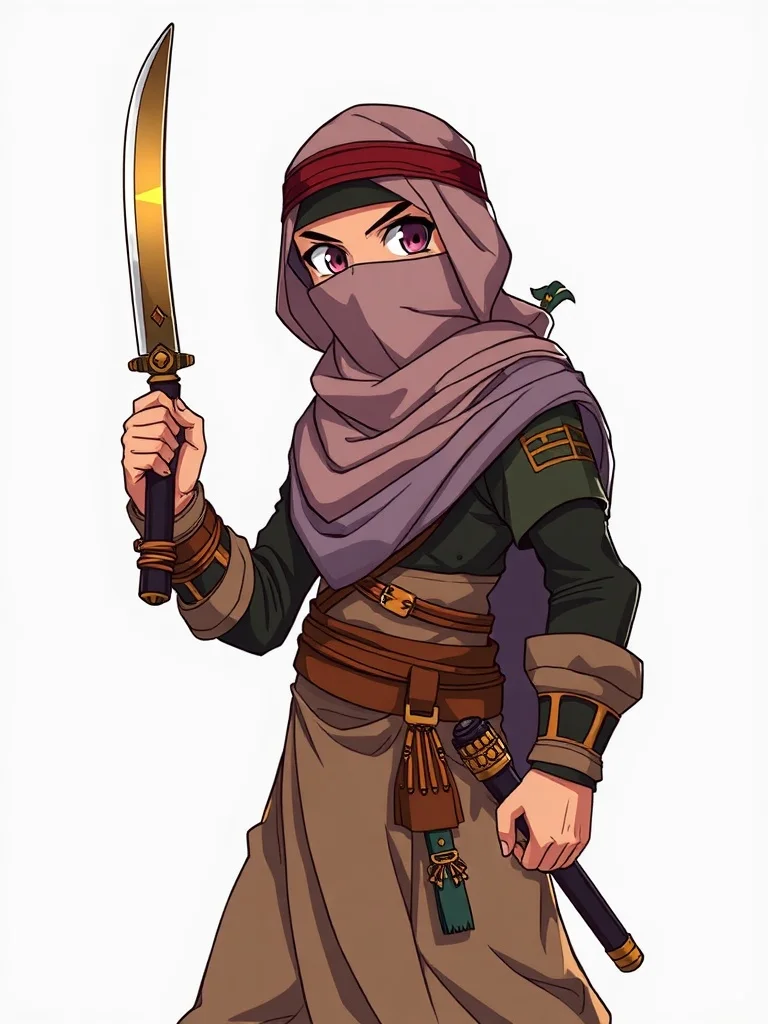
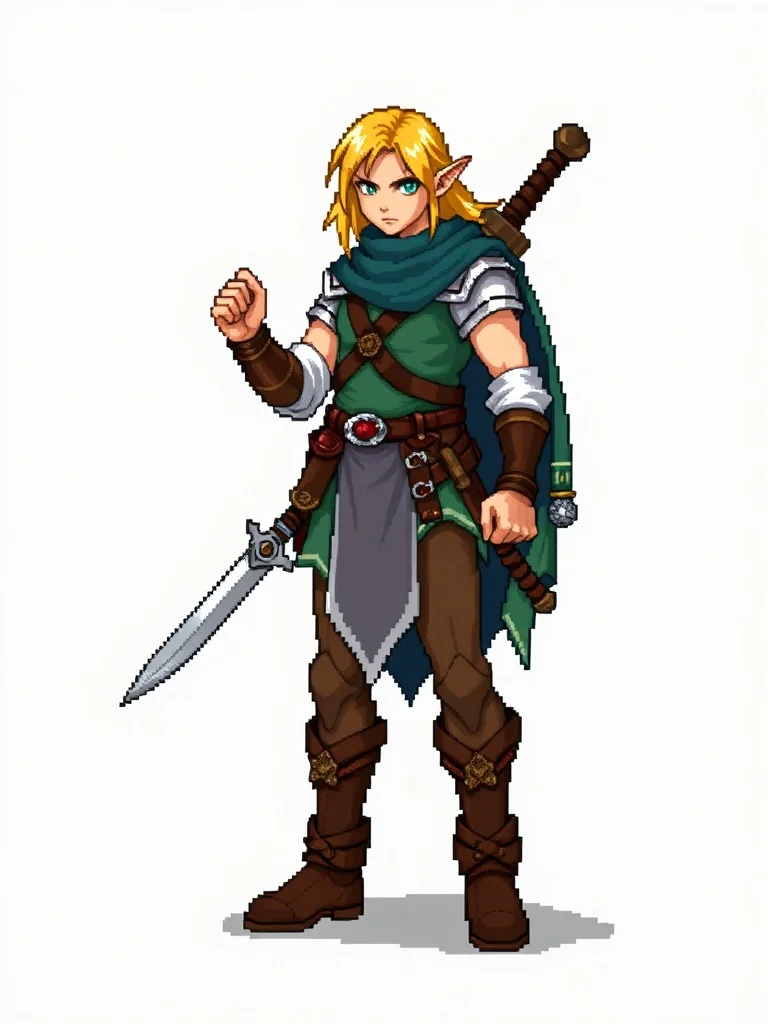
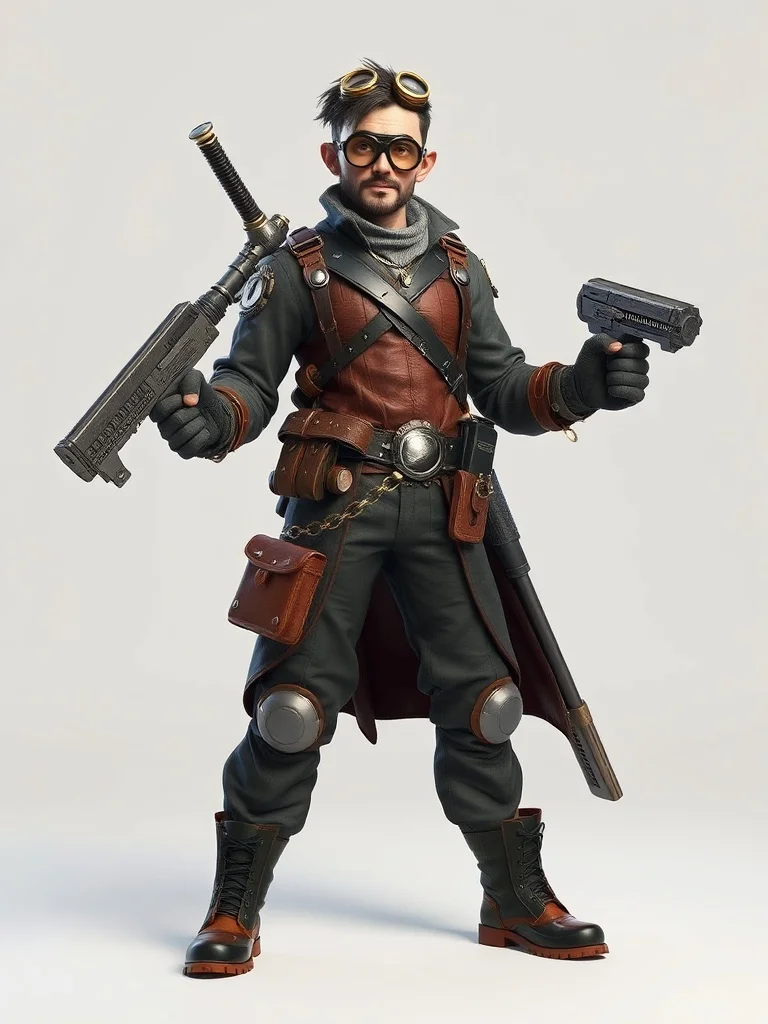
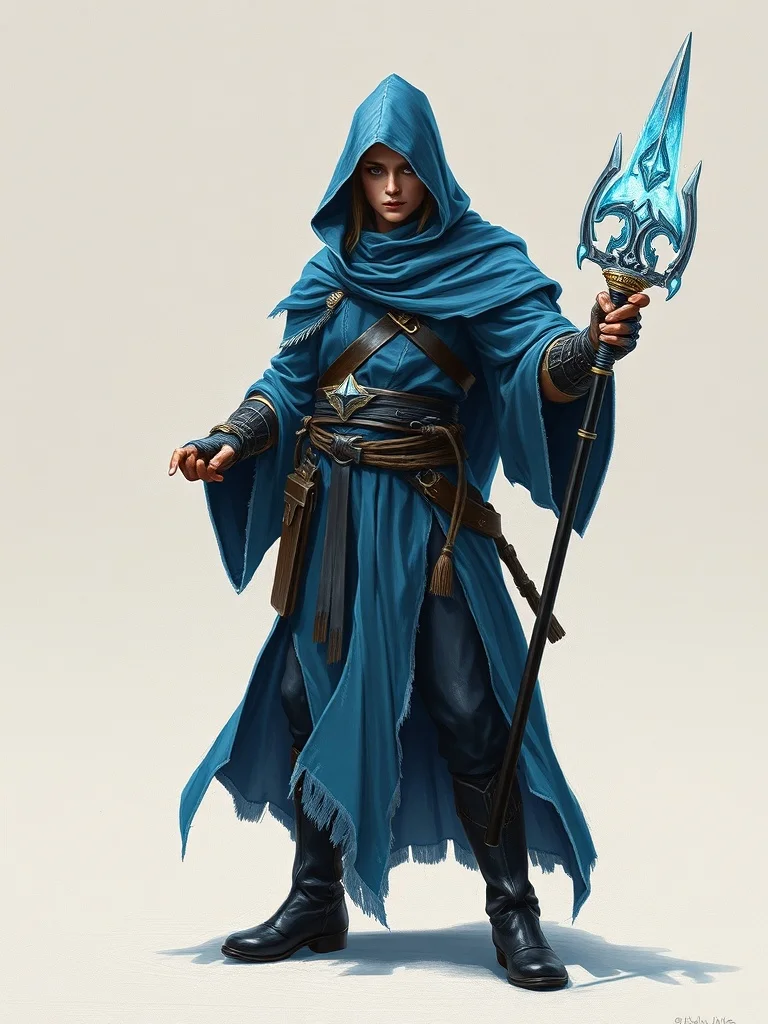
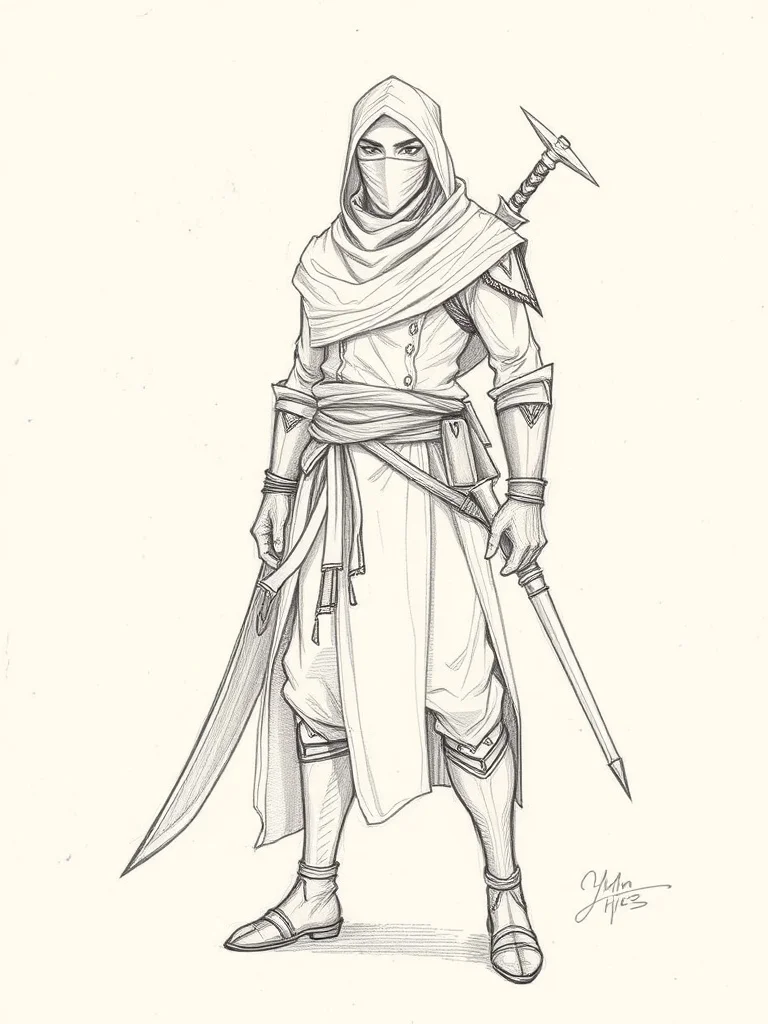
Generated with the same model and style. Click any to open the generator with that prompt loaded.
How to generate a pop art character
- 1 Write your prompt
Describe what you want. Be specific. Example: "a half-elf ranger with twin daggers". The more concrete the description, the better the result.
- 2 Confirm the pop art style
The style is already applied. You don't need to mention "pop art" in your prompt unless you want to emphasize a specific aspect of it.
- 3 Generate
Click Generate. You'll get a character back in a few seconds. Each click costs 1 credit on the default model.
- 4 Iterate
Not quite right? Tweak the prompt and run it again. Even small changes (one new adjective, one different noun) can shift the output significantly.
Tips for better prompts
- · Describe the subject first, then the context. "A blue mug on oak wood" works better than "blue mug".
- · Ask for halftone dots and heavy outlines to get the printed-comic look rather than a flat illustration.
- · The pop art style is already mixed into your prompt. You don't need to repeat "pop art" in your text.
- · Think in nouns. For character, naming a specific material, mood, or setting moves the result more than piling on adjectives.
- · Stuck? Open one of the example prompts from the gallery and tweak a single detail.
Frequently asked questions
What makes a good Pop Art character?
A memorable character has a clear silhouette, readable costume details, and a pose that hints at personality. In the pop art style specifically, that means leaning into ben-Day halftone dots, thick comic outlines, and bold primary colors rather than fighting them. renza already tunes the prompt in that direction, so your job is mostly to describe a strong subject and let the style do the rest.
Which model works best for a pop art character?
For pop art work, Ideogram nails bold graphic shapes and comic-style text. You can switch models from the dropdown before you generate: Flux Dev is the fast all-rounder, Hyper Realistic is built for photoreal detail, Ideogram handles text inside the image, and Nano Banana 2 is the premium pick for the most demanding results. If you are just exploring, start on Flux Dev and only switch up if the pop art look needs it.
Can I use my pop art character commercially?
Yes. Every image you generate on renza is yours, including for commercial use such as client work, merchandise, print-on-demand, and resale. We don't watermark or claim ownership. The only limits: don't generate real, identifiable people without permission, and respect trademarks. Beyond that, the character is yours.
How long does each character take to generate?
Around 6 to 12 seconds on the default model (Flux Dev). Heavier models like Nano Banana 2 take 10 to 25 seconds. There's no queue, so you see the image as soon as it's rendered and can iterate quickly, which matters because most characters land after a few tries rather than the first one.
What if pop art isn't the right style for my character?
You have 23 other styles to try, each tuned for a different look. Jump to the Character generator hub to browse them all, or check the "More generators in Pop Art style" section below if you like pop art but want a different category. You can also nudge the result with your own modifiers, like "pop art but warmer" or "pop art with more contrast".
Any tips before I generate my character?
Generate the same character across a few prompts to lock in a consistent reference before you build a story or game around them. And one pop art-specific note: ask for halftone dots and heavy outlines to get the printed-comic look rather than a flat illustration.