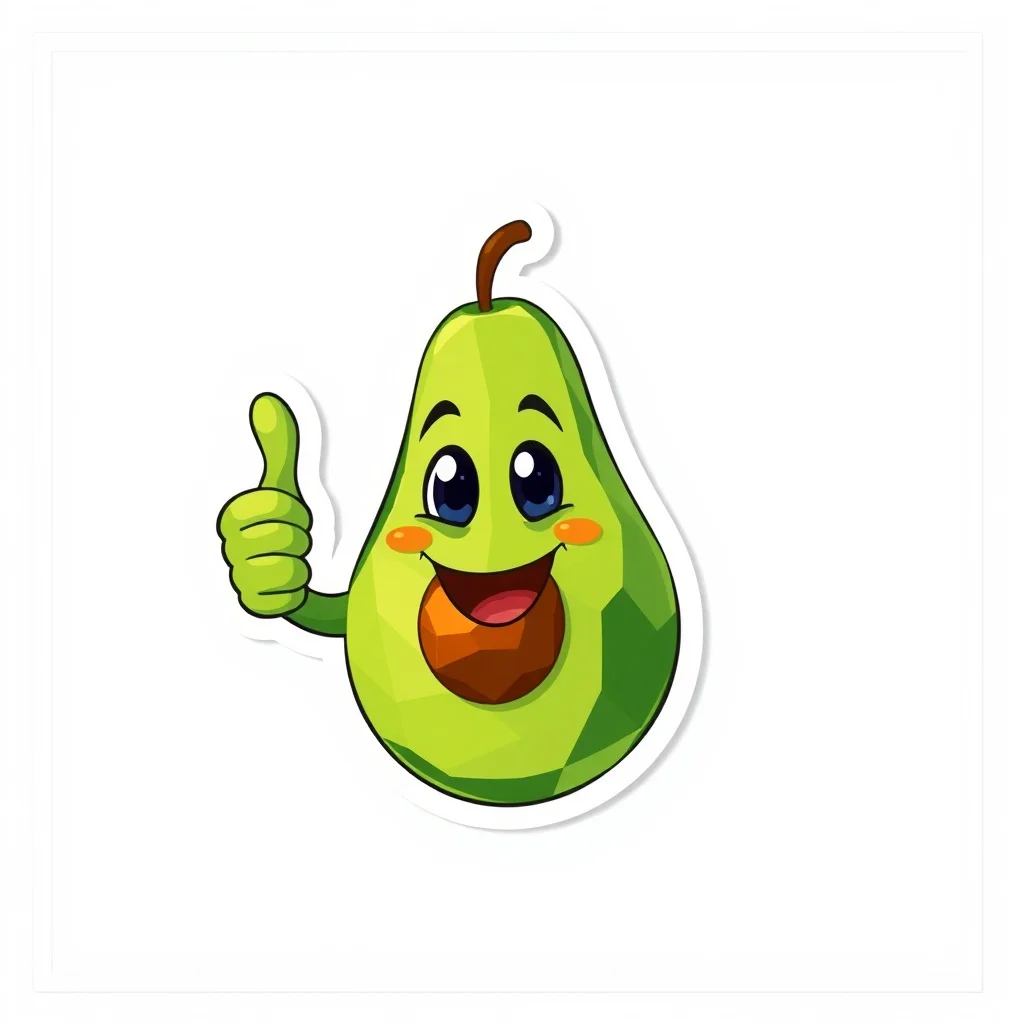
Low Poly Food Photo Generator
Want a food photo that genuinely reads as low poly? Low-poly art is built from visible flat triangles, faceting every surface into geometric planes lit by soft studio light. renza applies that look from the first pixel, so you get visible triangular facets and faceted geometry, not a plain food photo with a filter dropped on top.
Appetizing food shots rely on fresh textures, garnish, a little steam or sheen, and soft natural light that makes the dish look edible. Solid faceted colors with soft shadow. The look traces back to early 3D games and modern indie art, and renza bakes it into a prompt tuned for low poly food photos before sending it to a high-fidelity image model. You get a result in a few seconds that you can refine or download, and every image is yours to keep. For menus and delivery apps, keep the plating realistic to what you actually serve so customers are not surprised on arrival.
- 3 free credits to start
- No credit card
- Commercial use, you own it
- No watermark
- Results in seconds
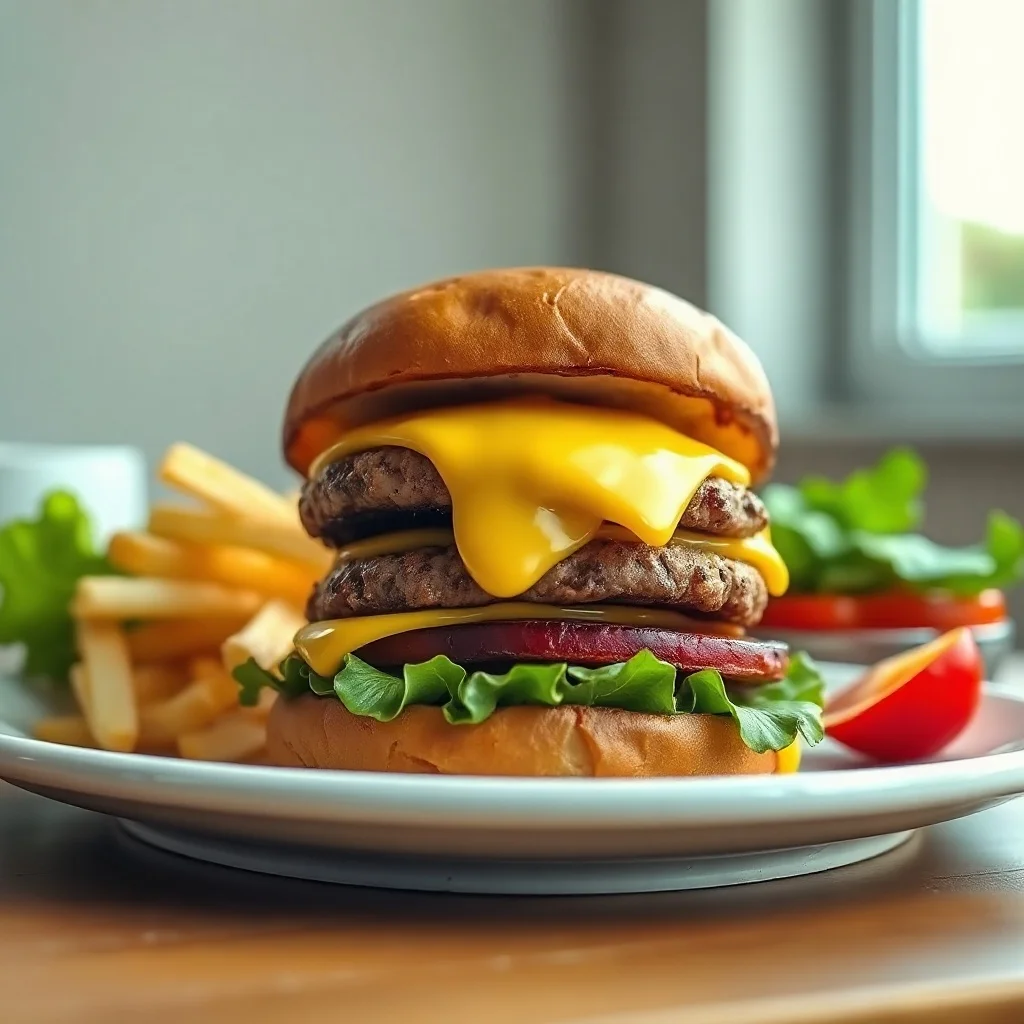
What defines the low poly style
Low-poly art is built from visible flat triangles, faceting every surface into geometric planes lit by soft studio light.
Solid faceted colors with soft shadow. The look traces back to early 3D games and modern indie art, and on a food photo it gives you a result that feels deliberate rather than generic.
Pro tip · Keep forms simple, because low-poly reads best on bold, instantly recognizable shapes.
- Visible triangular facets
- Faceted geometry
- Ambient occlusion shadows
- Clean studio lighting
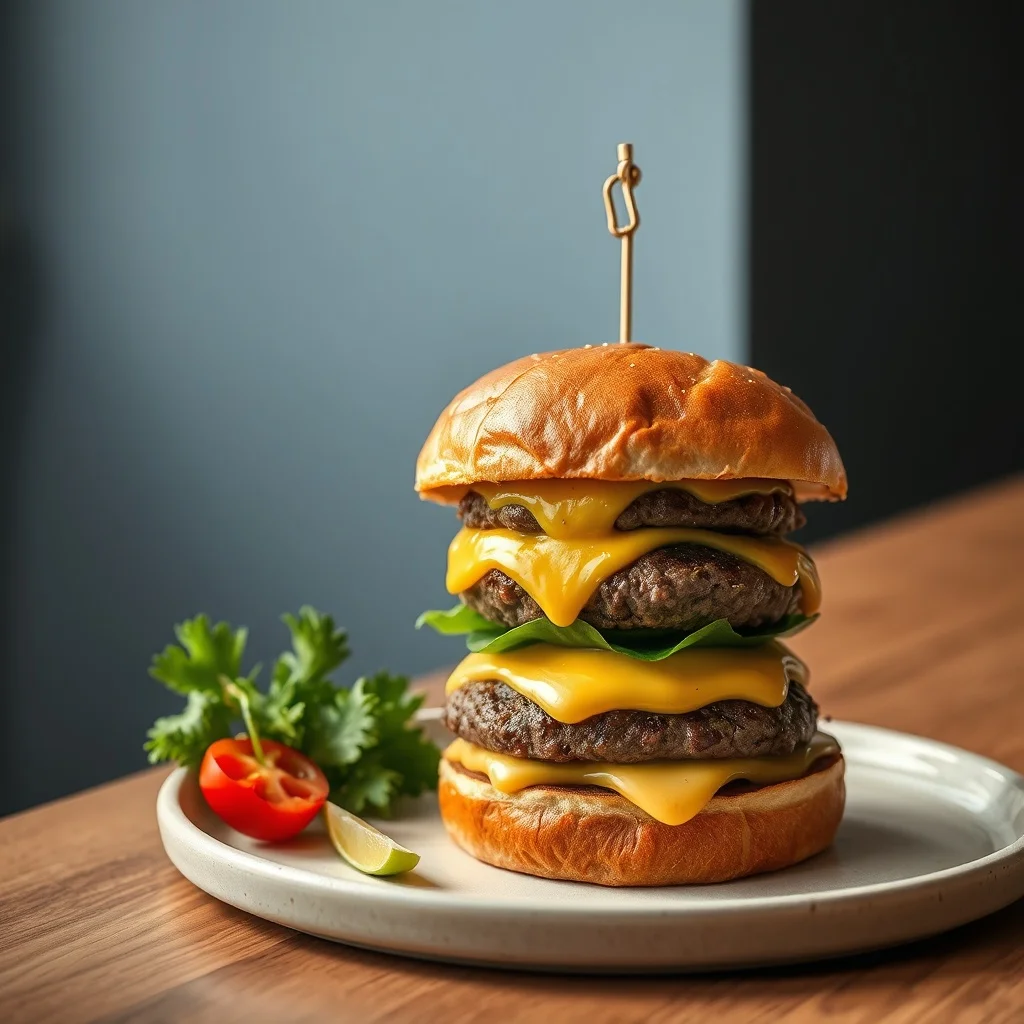
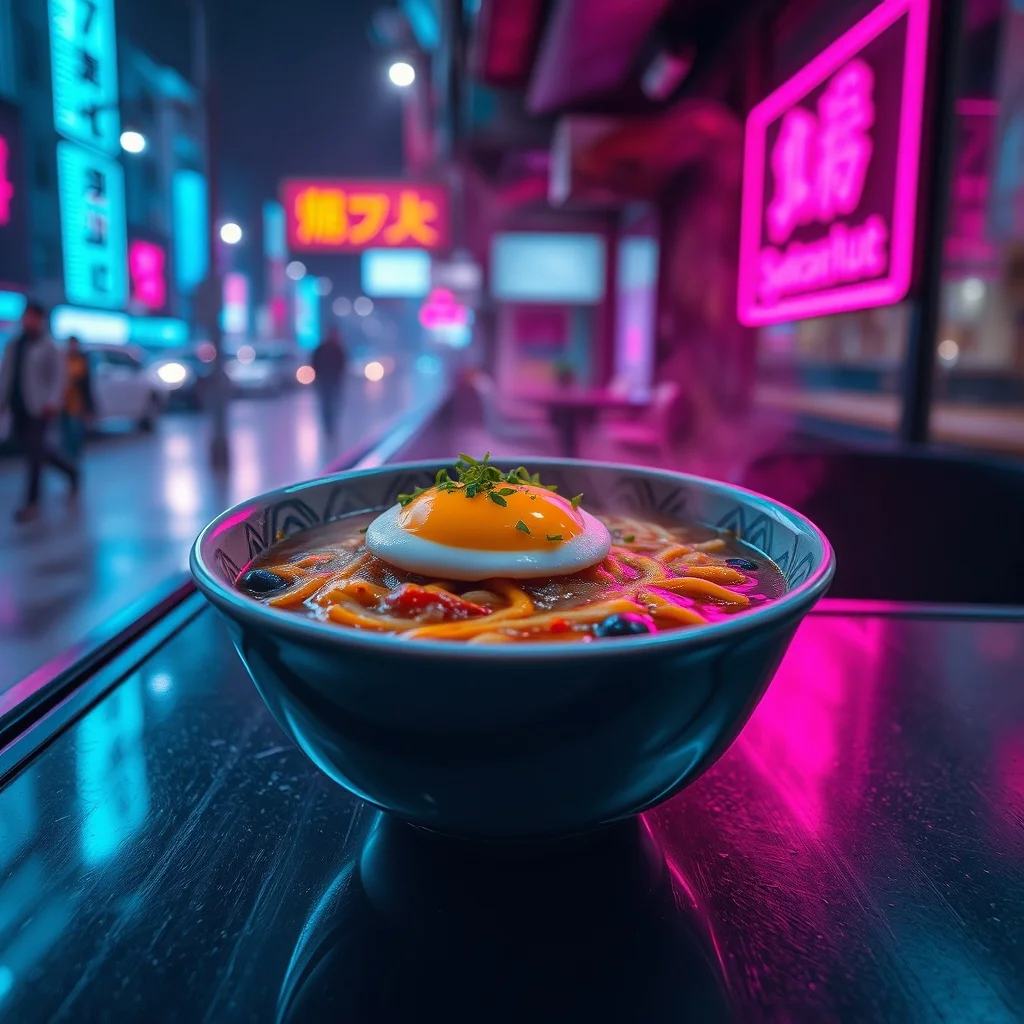
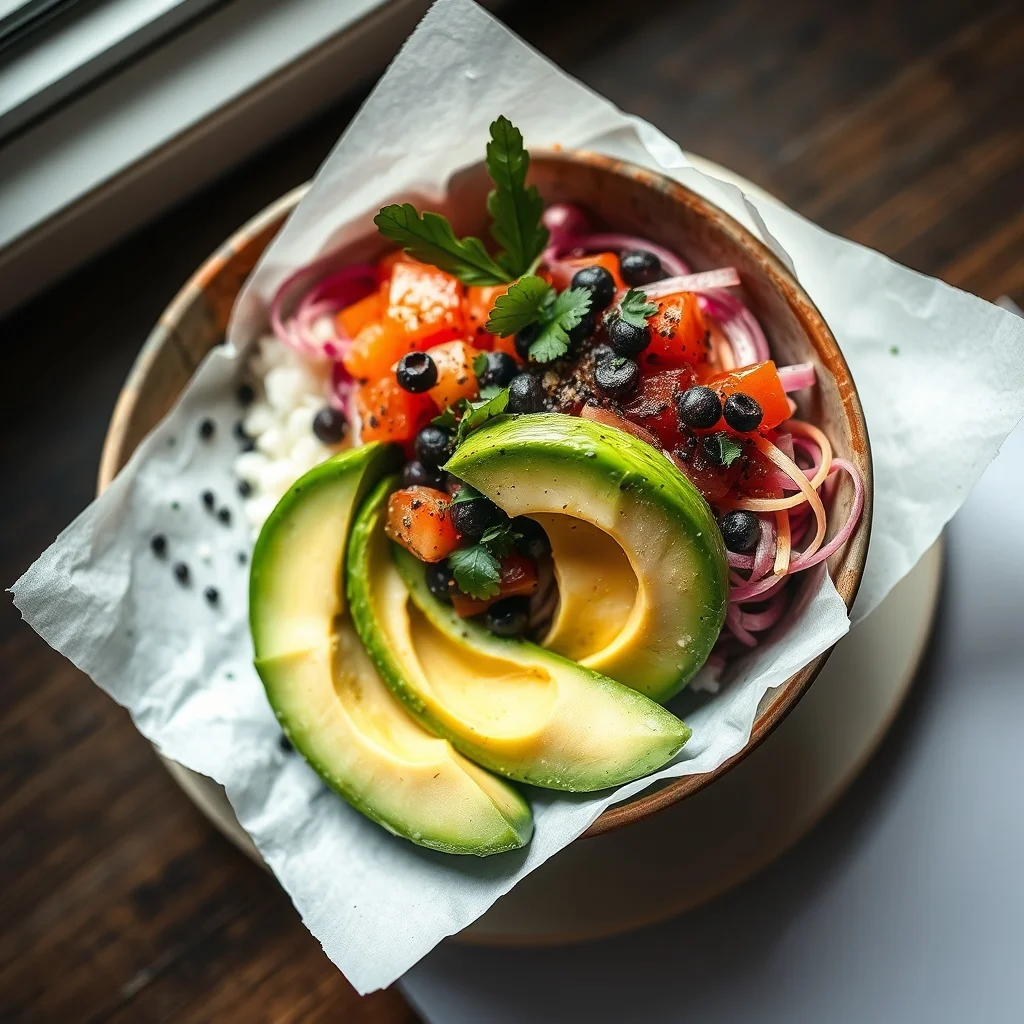
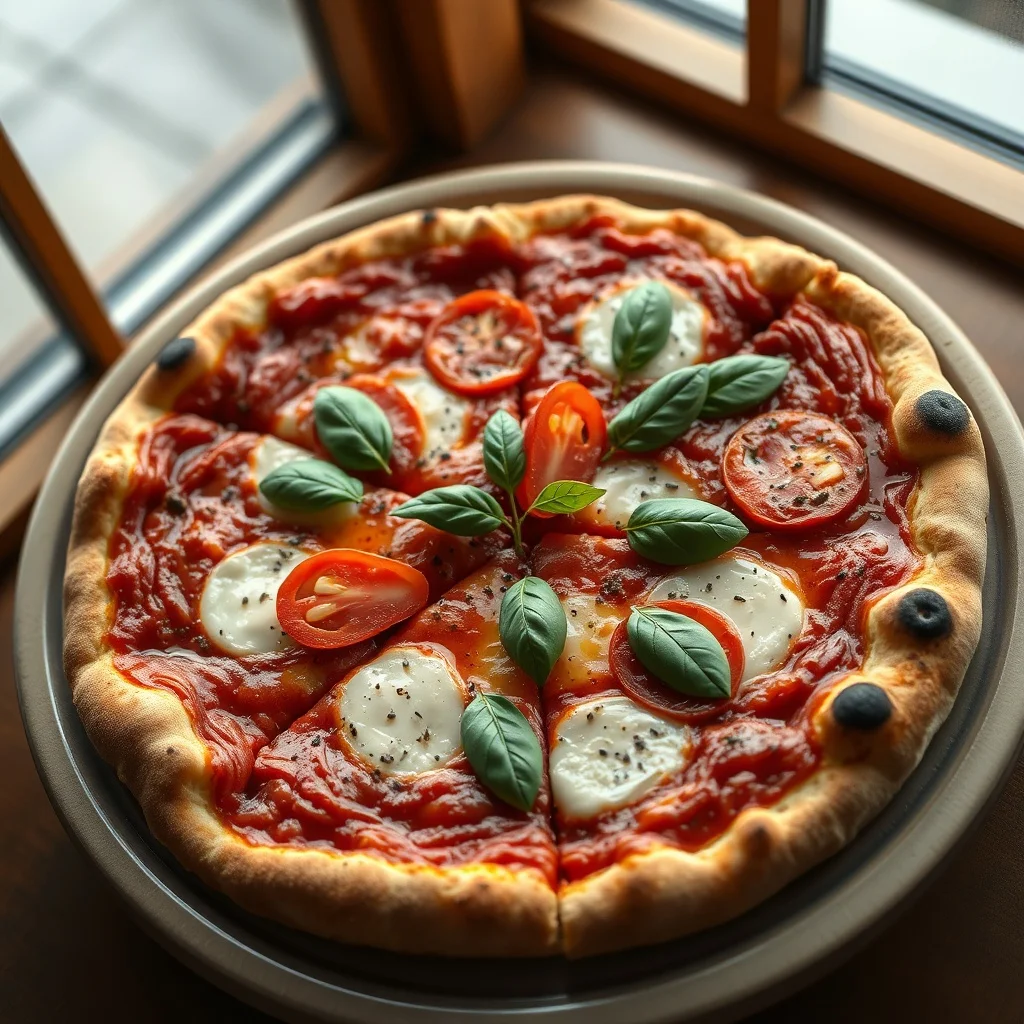
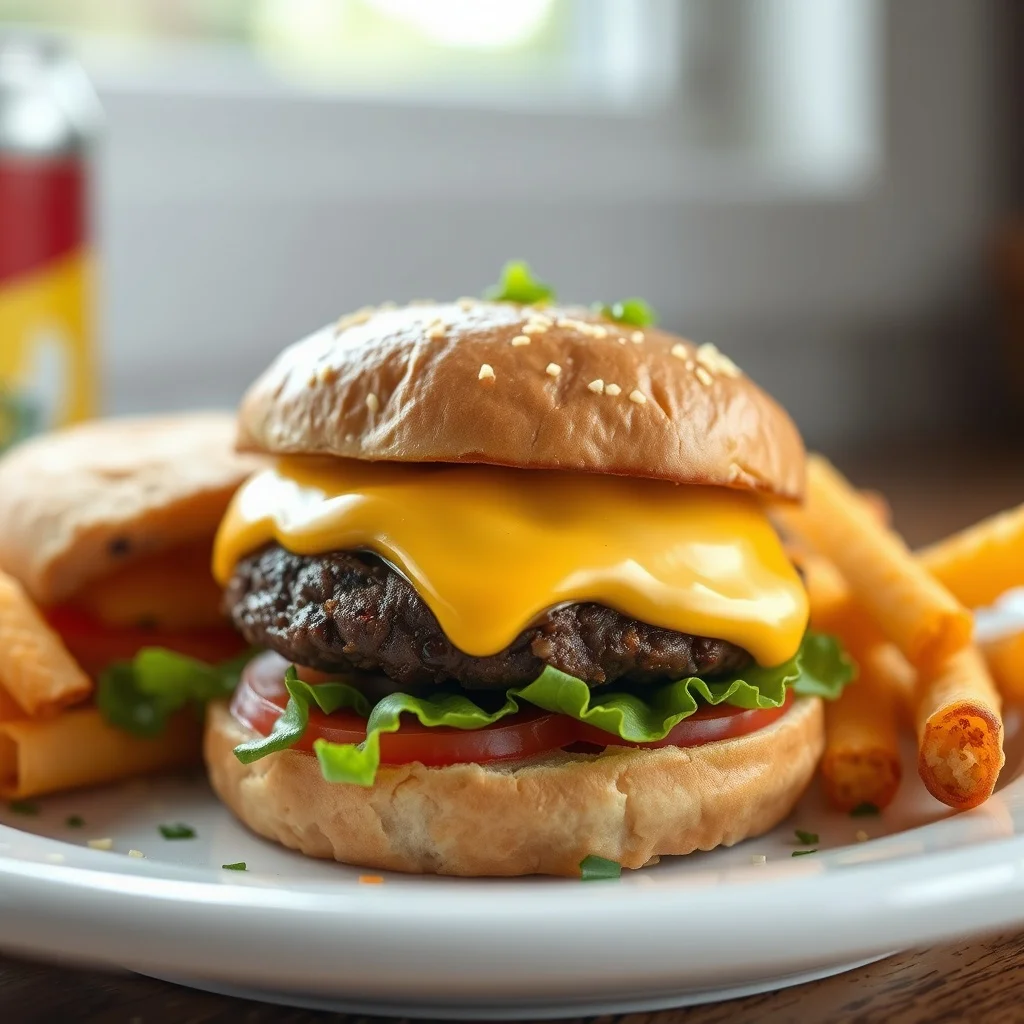
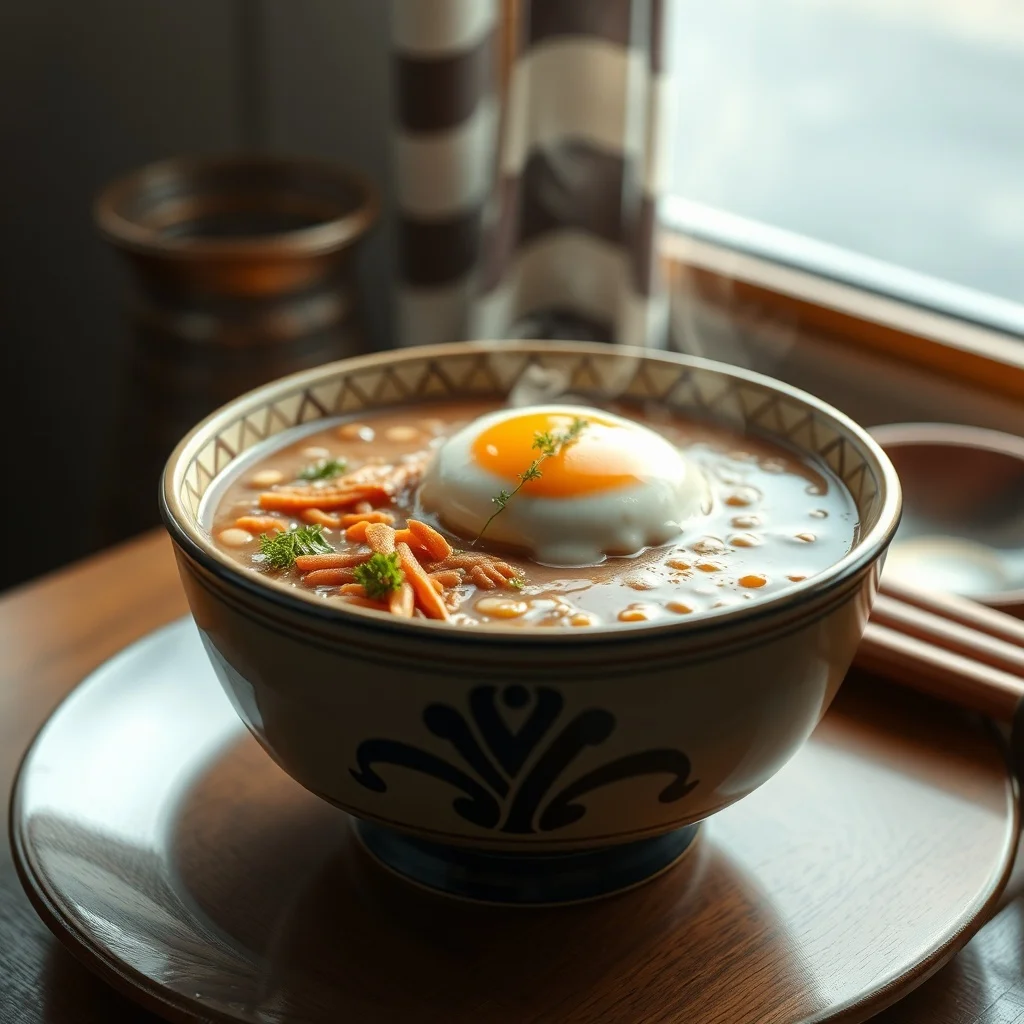
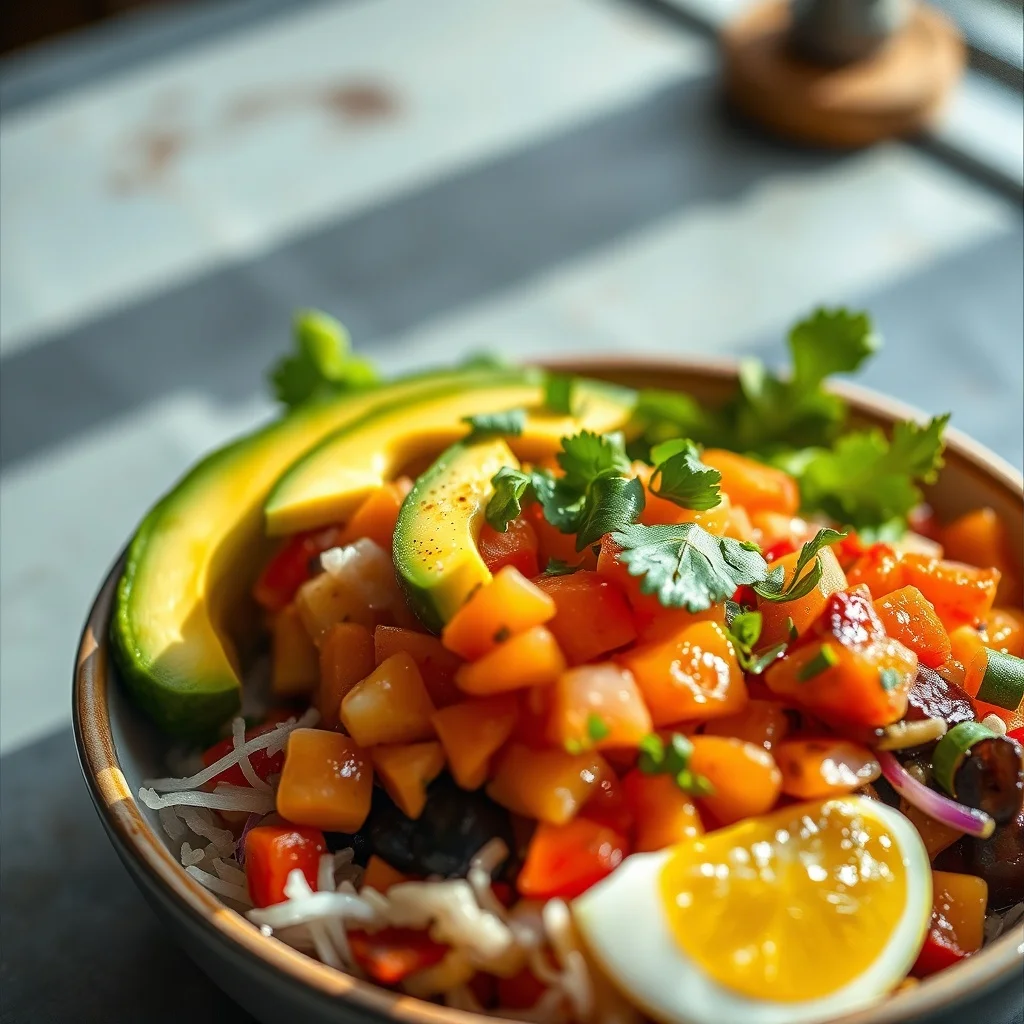
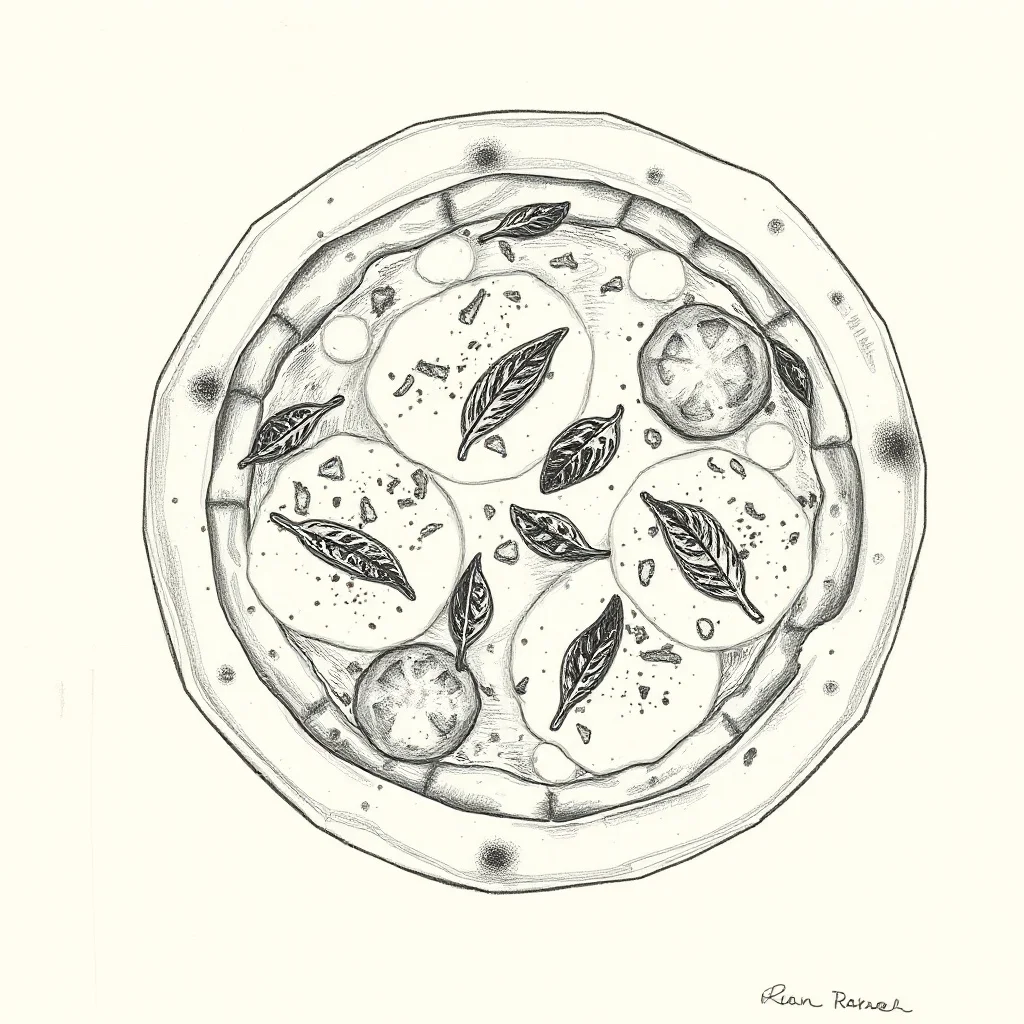
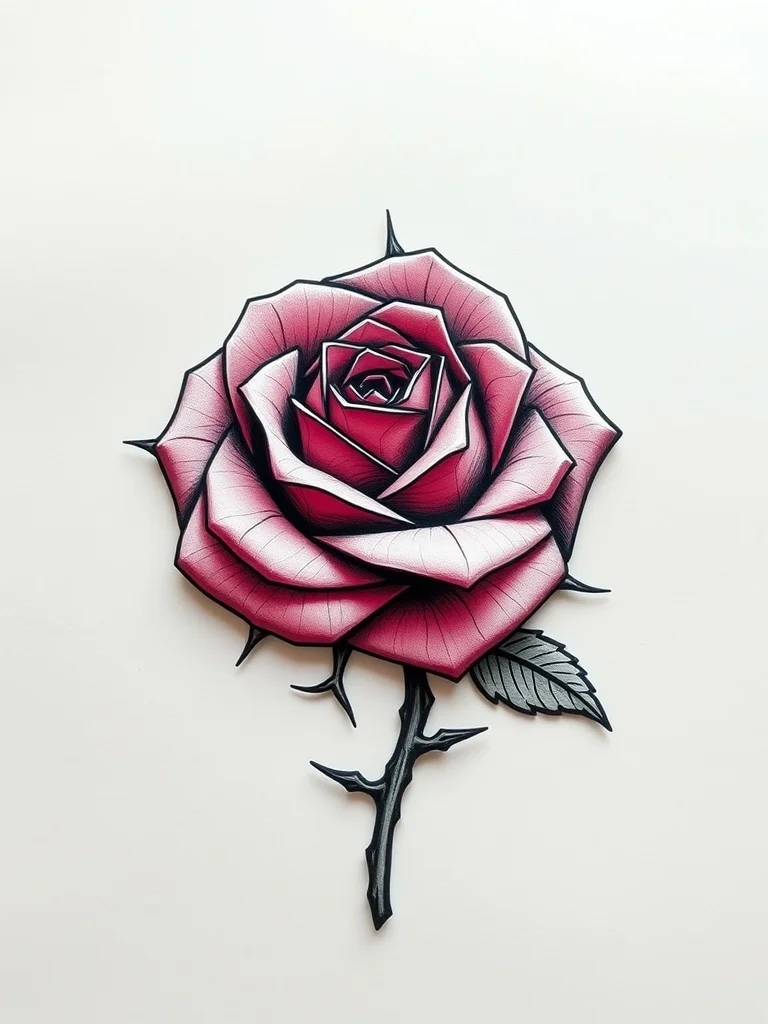
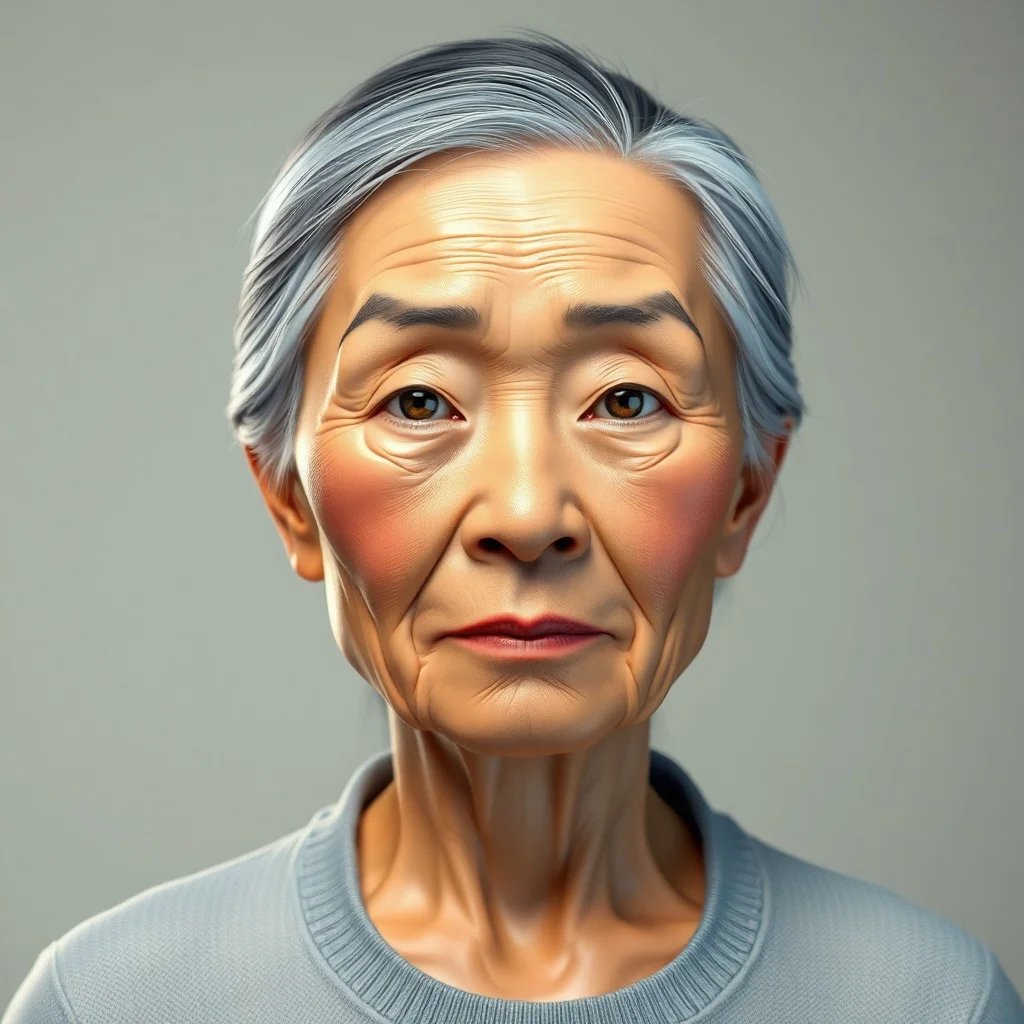
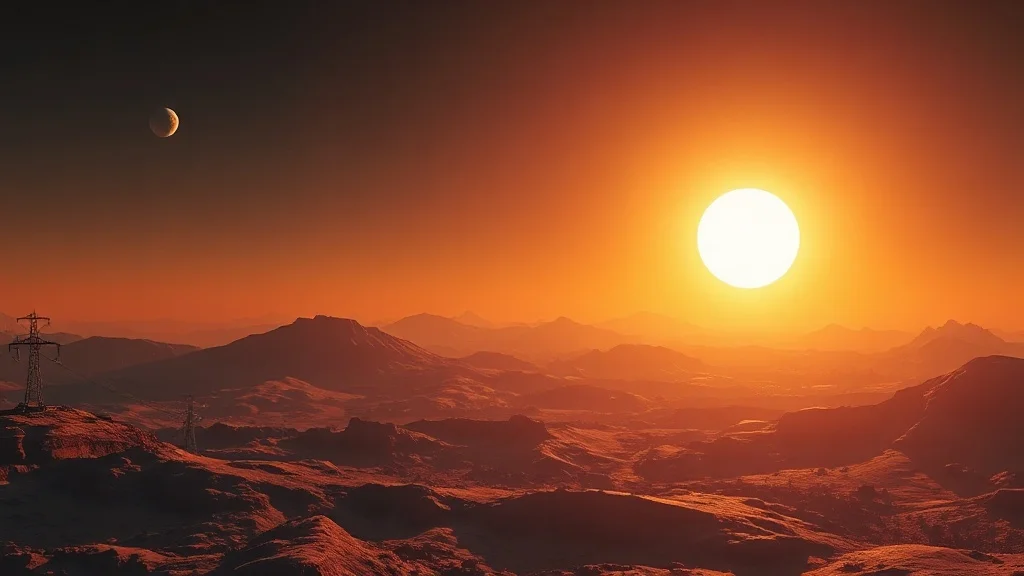
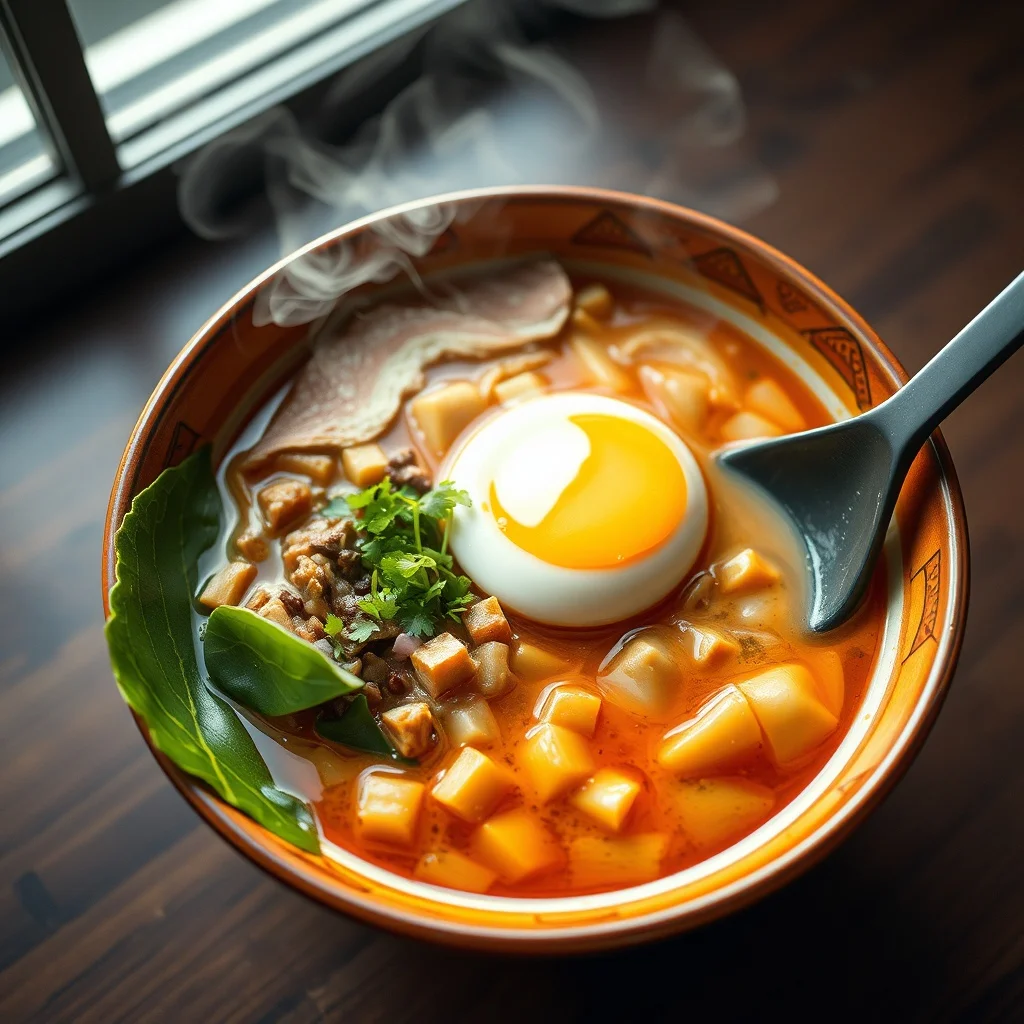
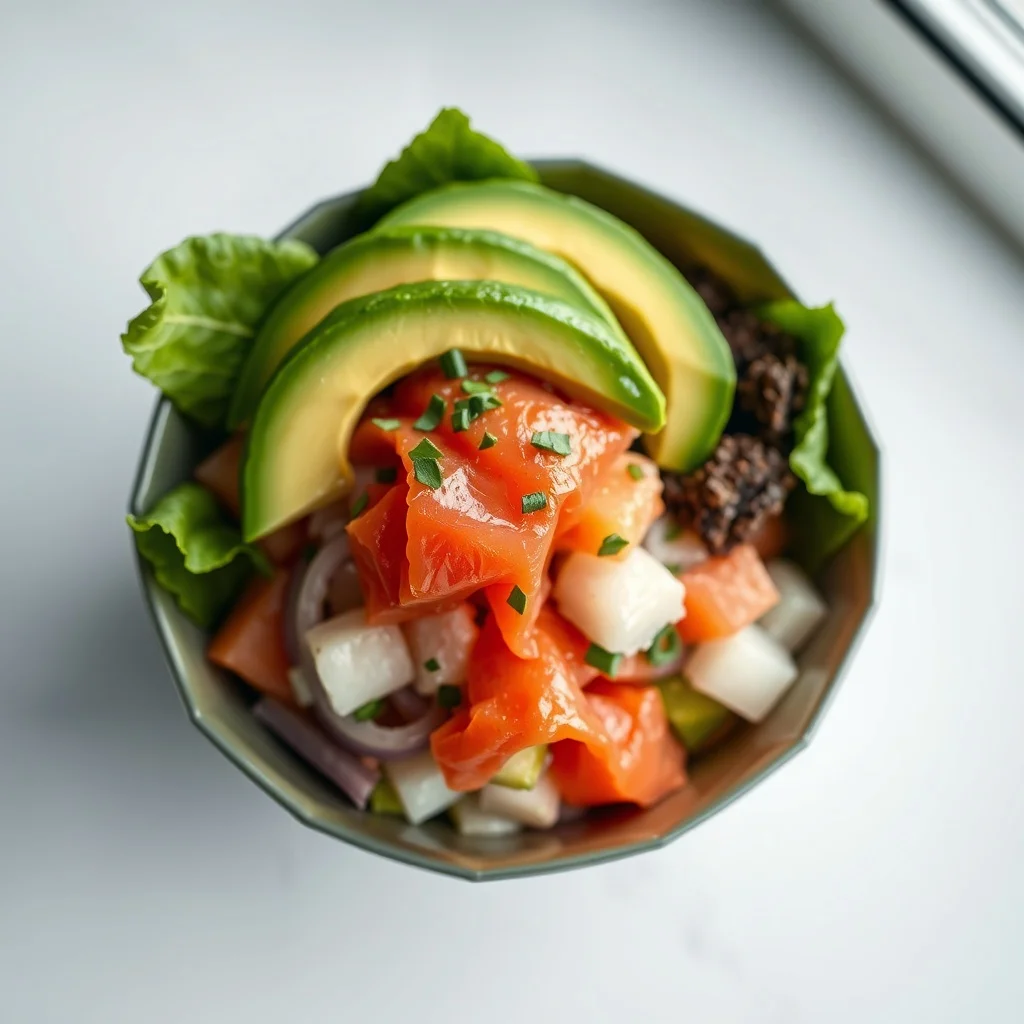
Low Poly food photo examples
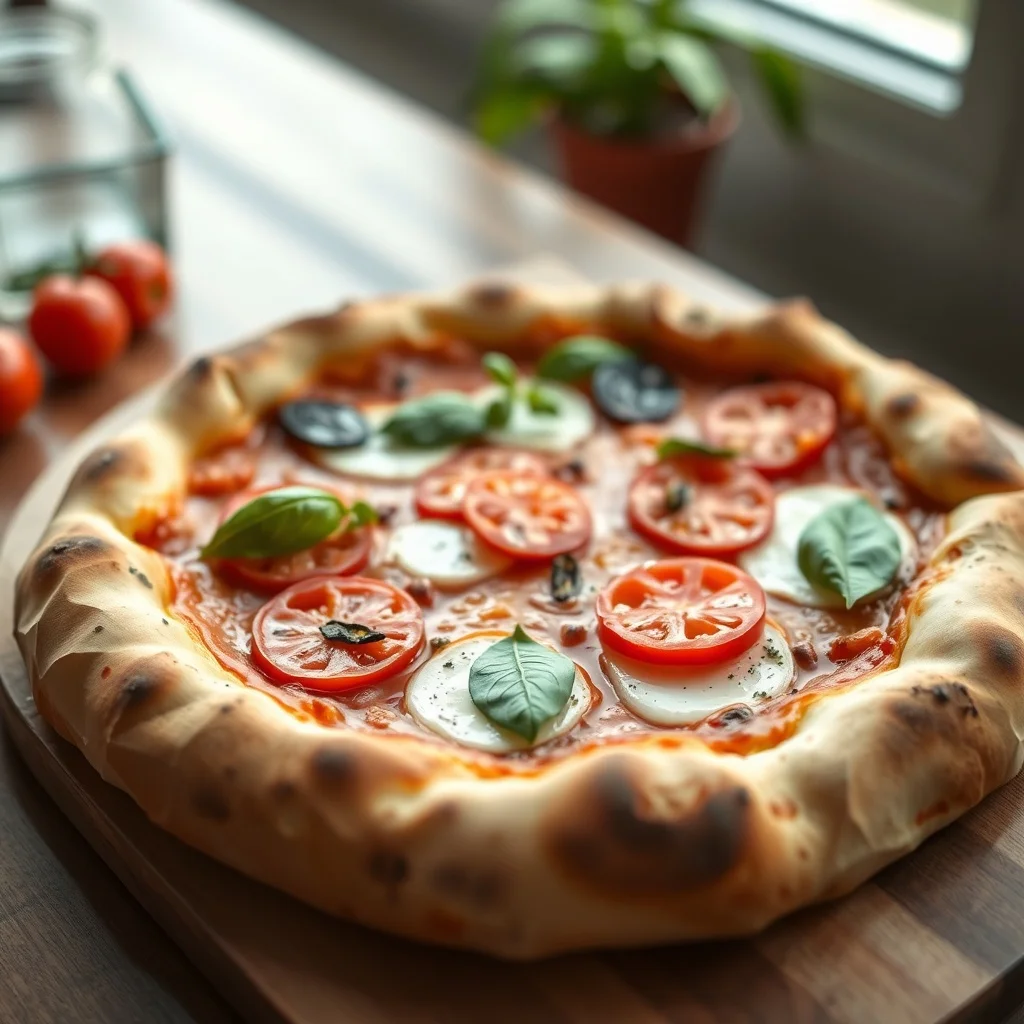
Generated with the same model and style. Click any to open the generator with that prompt loaded.
How to generate a low poly food photo
- 1 Write your prompt
Describe what you want. Be specific. Example: "a stacked smash burger with melted cheese". The more concrete the description, the better the result.
- 2 Confirm the low poly style
The style is already applied. You don't need to mention "low poly" in your prompt unless you want to emphasize a specific aspect of it.
- 3 Generate
Click Generate. You'll get a food photo back in a few seconds. Each click costs 1 credit on the default model.
- 4 Iterate
Not quite right? Tweak the prompt and run it again. Even small changes (one new adjective, one different noun) can shift the output significantly.
Tips for better prompts
- · Describe the subject first, then the context. "A blue mug on oak wood" works better than "blue mug".
- · Keep forms simple, because low-poly reads best on bold, instantly recognizable shapes.
- · The low poly style is already mixed into your prompt. You don't need to repeat "low poly" in your text.
- · Think in nouns. For food photo, naming a specific material, mood, or setting moves the result more than piling on adjectives.
- · Stuck? Open one of the example prompts from the gallery and tweak a single detail.
Frequently asked questions
What makes a good Low Poly food photo?
Appetizing food shots rely on fresh textures, garnish, a little steam or sheen, and soft natural light that makes the dish look edible. In the low poly style specifically, that means leaning into visible triangular facets, faceted geometry, and ambient occlusion shadows rather than fighting them. renza already tunes the prompt in that direction, so your job is mostly to describe a strong subject and let the style do the rest.
Which model works best for a low poly food photo?
For low poly work, Flux Dev keeps facets crisp and geometry readable. You can switch models from the dropdown before you generate: Flux Dev is the fast all-rounder, Hyper Realistic is built for photoreal detail, Ideogram handles text inside the image, and Nano Banana 2 is the premium pick for the most demanding results. If you are just exploring, start on Flux Dev and only switch up if the low poly look needs it.
Can I use my low poly food photo commercially?
Yes. Every image you generate on renza is yours, including for commercial use such as client work, merchandise, print-on-demand, and resale. We don't watermark or claim ownership. The only limits: don't generate real, identifiable people without permission, and respect trademarks. Beyond that, the food photo is yours.
How long does each food photo take to generate?
Around 6 to 12 seconds on the default model (Flux Dev). Heavier models like Nano Banana 2 take 10 to 25 seconds. There's no queue, so you see the image as soon as it's rendered and can iterate quickly, which matters because most food photos land after a few tries rather than the first one.
What if low poly isn't the right style for my food photo?
You have 23 other styles to try, each tuned for a different look. Jump to the Food Photo generator hub to browse them all, or check the "More generators in Low Poly style" section below if you like low poly but want a different category. You can also nudge the result with your own modifiers, like "low poly but warmer" or "low poly with more contrast".
Any tips before I generate my food photo?
For menus and delivery apps, keep the plating realistic to what you actually serve so customers are not surprised on arrival. And one low poly-specific note: keep forms simple, because low-poly reads best on bold, instantly recognizable shapes.